Friday, February 9, 2024

Efficiency Modeling using the Mirror Surface of Heliostats in a Solar Power Tower - Juniper Publishers

 Material Science - Juniper Publishers

Abstract

Analyzing the geographical location and climatic conditions of Turkmenistan, we conclude that solar energy is a priority among all renewable sources since the duration of sunny days in the country is from 270 to 320 days a year. Development, creation of large-scale solar power plants and use in remote desert regions of Turkmenistan is an urgent problem. The article considers the possibilities of creating a solar power plant based on a tower-type layout. The modes of the optical system in the natural and climatic conditions of Turkmenistan are calculated using a mathematical model, the coefficient of efficiency of using the mirror surface of the installation and the distribution of the level of instantaneous local values are determined. Figure 1 shows the movement of the Sun in the sky, which varies depending on the time of year. The results of the study show that the maximum increase in the energy efficiency coefficient can be achieved with the location of solar panels perpendicular to solar radiation with the dense placement of heliostats on the north side of the tower, then energy efficiency will increase by 25-40% in summer and 10-15% in winter.

Keywords: Solar energy; Tower solar power plant; Efficiency coefficient; Mirror surface; Heliostat; Optical system; Turkmenistan

Introduction

In the 21st century, humanity faced an acute problem of fuel for the power supply of various industrial and agricultural facilities. The reserves of minerals on Earth are not unlimited, the use of nuclear energy entails the danger of accidents, man-made disasters, and problems with the disposal of production waste. Against this background, the widespread use of renewable energy resources (RES) is of great interest. Turkmenistan, due to its geographical location and climatic features, is interested in the development of these energy sources.

The Law of Turkmenistan “On Renewable Energy Sources” regulates the relations between the state, producers and consumers, as well as the process of supplying equipment, installations and technologies for the use of renewable energy sources [1,2]. The Law outlines the main goals of using RES, in particular, reducing the growth of anthropogenic pressures on the environment and countering climate change, improving the quality of life and maintaining public health by reducing the growth of planetary pollution. The introduction of renewable energy resources into the fuel and energy complex will reduce the cost of transporting electricity, reduce the anthropogenic load on the environment and improve the social and living conditions of residents in remote areas, in this case, residents of the Karakum desert zone. All this undoubtedly indicates the extreme relevance of this topic [1-3]. The potential of solar energy is a ball of hydrogen and helium, in which continuous thermonuclear reactions occur, as a result of which energy is released with a temperature of t≈ 6000 o and radiant energy of 18000 billion kW, while the energy intensity on the Earth’s surface is 70-80 thousand kW / m2. But the intensity of solar radiation on the Earth’s surface depends on the natural and climatic features of the area, geographic latitude, air transparency, time of day and year, as well as altitude above sea level [3]. The gross potential of solar energy in the territory of Turkmenistan is estimated per square meter in the range from 1687.7 to 1897.2 kWh/m2 per year, the technical potential for heat production is from 1177.1 to 1296.78 kWh/m2 per year.

The amount of solar energy supplied to a horizontal surface varies depending on the natural and climatic conditions of the country’s region. The duration of sunshine at any point depends on the length of the day, cloudiness and increases from approaching the equator. However, the latitudinal distribution of sunshine is often disturbed due to the presence of clouds due to the peculiarities of atmospheric circulation, and fogs in coastal zones. The duration of sunshine on the territory of Turkmenistan varies depending on the season of the year in hours: in winter from 107 to 120, in spring 146-282, in summer 331-352, and in autumn 160-293. The total duration of sunshine is 2680 hours, the average daylight time is 8 hours 40 minutes per year. The average sunrise time is 6 hours 50 minutes, the average sunset time is 17 hours 25 minutes.

The potential of solar energy is the sum of the duration of solar radiation during the year and the total solar radiation incident on a horizontal surface. It is possible to increase the amount of solar radiation by changing the angle of inclination of the receiving surface. The maximum magnification will be achieved if the solar tracking panels are placed perpendicular to the solar radiation [3]. In the efficient operation of a solar power plant, the most important role is played by the optimal orientation of the solar radiation receiver with three main angles: the latitude of the receiver location φ , the hour angle ω and the declination of the Sun δ, shown in figure 1 for clarity.

Figure 1 shows the latitude, φ is the angle between the line connecting point A with the center of the Earth 0, and its projection onto the equatorial plane. The hour angle, ω, is the angle measured in the equatorial plane between the projection of the line OA and the projection of the line connecting the centers of the Earth and the Sun. Angle ω = 0 at solar noon; per hour corresponds to 15°. The declination of the sun, δ, is the angle between the line connecting the centers of the Earth and the Sun and its projection onto the equatorial plane. The declination of the sun continuously changes throughout the year: from -23°27’ on the day of the winter solstice on December 22 to +23°27’ on the day of the summer solstice on June 22 and is equal to zero on the days of the spring and autumn equinoxes (March 21 and September 23) [3-6].

Based on this, the position of the Sun relative to the Earth continuously changes during the year and day, then in order to obtain the maximum possible power density of solar radiation, the angles must also change accordingly, therefore, continuous tracking of the movement of the Sun is necessary. However, as numerous studies have shown, the use of automated tracking systems increases the cost of solar installation. In this regard, stationary solar receivers are the most effective for low-power solar installations. The method with a fixed orientation of the panels for the entire period of operation has the lowest energy efficiency, but it is easy to implement.

Using innovative methods, it is possible to calculate the level of specific insolation for each day of the month of the year under average meteorological conditions. The goals and objectives of the study are to carry out an overview analysis of modern structures, develop a model of a solar tower station, and optimize the operating modes of the optical system of a solar power station using computer simulation. The scientific novelty lies in the calculation of the efficiency factor for the use of a mirror surface in the heliostat field of a solar tower power plant in Turkmenistan. The calculation method is based on theoretical calculations using geometric and optical elements to create a model of a tower solar station.

The day in the middle of the month was considered a typical day. Multiplying the specific daily energy of solar radiation by the number of days in a month, we obtain the specific monthly energy of solar radiation.

Solar Electric Station of Tower Type (TSPS)

The design of the solar power tower type consists of a tower of various heights depending on the power (from 18 to 24 m), and a black water tank, which is located at the top of the tower. Black color serves for better heat absorption. Outside there is a turbogenerator, from which pumps supply water to the tank. Around the tower are mirrors – heliostats (Figure 2) [5,6].

The principle of operation of heliostats is related to the general mechanism for tracking the position of the sun in the sky. The main task of the tracking mechanism is to ensure that heliostat mirrors located in a certain area around the station reflect the sun’s rays exactly into the steam generator. The power of a tower solar power plant depends on the number of installed heliostats. As a result, the concentration of solar radiation increases from the number of heliostats and the water temperature in the steam generator reaches up to 700°C, while powerful steam is formed that rotates the electric generator, electricity is generated and the efficiency of such solar power plants reaches up to 20% [5,6]./p>

Research Methodology

Mathematical research methods can reduce the search time, help in making adequate decisions, and increase the reliability of the entire system and the efficiency of the station [7-10].

One of the main tasks of designing solar tower stations is the rational arrangement of the optical system of mirrors. For their smooth operation, it is necessary to take into account a number of requirements, factors and limitations [10]. For example, to achieve a high radiation flux concentration factor, it is necessary to place a large number of mirror reflectors in the smallest possible area. However, the dense arrangement of specular reflectors in the specular field leads to their mutual shading [7-10]. Thus, the loss of solar radiation flux in the optical system really affects the efficient operation of solar power plants, as well as the operation of solar furnaces.

To implement the task, a mathematical model was compiled that allows a comparative analysis and selection of layout options for the optical system of a tower-type solar power plant [10]. For the rational use of optical systems, determining the efficiency, and the efficiency of using the mirror surface of heliostats in a tower solar power plant, a mathematical model has been compiled [7- 10]. When developing a computational scheme for a mathematical model of the operation of the fields of mirror reflectors of a solar power plant, we took into account the continuous coincidence of the normal vector N to the mirror and the bisector of the plane angle, which is located between the heliostat and the sun and the heliostat and the receiver.

The position of the mirror reflector of the heliostat is determined by the vectors Nj, the ratios of the vectors are shown in the geometric diagram (Figure 1). Applying the dot product rule for the i-th heliostat at a given time, is equal to the vector cosine of half the angle:

Here’s the expression for the cosine of a double angle:

cozy cosine coefficient is the efficiency optical system of solar SES.
From equation (1) and (3) we write:

Now, for the numerical implementation of the algorithm for calculating the values of the efficiency of the optical system of a solar station on a computer, we present the vector expression of the cosine coefficient of equation (4) in the form of a coordinate expression [7-10].

In the local Cartesian coordinate system XYZ, the components of the unit vector of the Sun have the form:

where X is the south side; Y is the east side; Z is the zenith; β-latitude of the location of the BSES, β=37 - 43 s.l. - for Turkmenistan; δ- the angle of inclination of the terrain is determined by the formula:

Ω- the hour angle is determined by the formula:

Where ω-the angular velocity of the Earth’s rotation is determined by the formula:

where τ- solar time, in hours, calculated from astronomical noon.

From figure 1, the components of a single vector in the XYZ coordinate system for individual heliostats are determined by the following formula:

In this formula, we make the following simplifications and assume that the first heliostat is located on the XZ plane, then the aiming coordinates focused at the tower point for all heliostats will be:

Where H is the height of the tower, H = 70 cm; r is the radius of the heliostat field, r = 110 cm.

Then in equation (9) we obtain the components Rxl in the following form

We determine the coefficient η for all mirror reflectors of a heliostat of a tower type, thus, we find the efficiency of using heliostats according to the formula:

Equation (11) shows that the efficiency factor for using the mirror surface η of heliostats depends on the angular variables and the distribution of its values over the field is uniquely determined by linear coordinates [7-10].

Research Results and Conclusion

In this research work, we analyzed the results of optimizing and modeling the operating modes of the optical systems of solar furnaces and a power plant based on solar energy using the developed and built mock-up of a tower-type power plant.

Mathematical modeling of the operating modes of the optical system of the specified power plant has been carried out. The coefficient of efficiency of using the mirror surface η was determined for all heliostats. Figure 1 and the mathematical model show that the quantitative and qualitative indicators of the distribution of instantaneous local values change depending on the position of the sun in the sky. The obtained results of the mathematical model confirm the efficiency of using the mirror field of heliostats for different times of the day. The distribution of instantaneous local values is constantly changing in different periods of the operation of the optical system..

a) As a result of calculations and observations, we conclude that the maximum increase in the energy efficiency coefficient can be achieved in summer by 25-40%, and in winter by 10-15%, these results are obtained under the condition that the heliostats are located perpendicular to the solar radiation and the heliostats are densely placed on the north side of the tower.


To Know more about Juniper Online Journal Material Science
Click here: https://juniperpublishers.com/jojms/index.php

To Know more about our Juniper Publishers
Click here: https://juniperpublishers.com/index.php


Thursday, February 8, 2024

Application of Chicken Feather Fiber in Textile Industry: A Mini Review - Juniper Publishers

 Fashion Technology & Textile Engineering - Juniper Publishers

Abstract

Sustainability and environmental preservation are gaining significance in the textile industry. Feathers, an ever-present byproduct, are a promising environmental friendly textile alternative. This brief review covers poultry feather fiber in textiles. Chicken feather fibers (CFF) are composed of keratin and are biodegradable, strong, and lightweight. These characteristics make them desirable for textiles. Using mechanical, chemical, and enzymatic extraction and modification strategies, this article optimizes chicken feather fibers for textile use. Feather fibers can be incorporated into composites, filaments, nonwoven textiles, and coatings. They are hypoallergenic and biocompatible and have medical and healthcare applications. The carbon footprint and textile refuse of the industry are addressed. For widespread application, processing efficiency and scalability issues must be resolved. Feather fibers have potential. This brief analysis demonstrates that poultry feather fibers can be an environmentally friendly and sustainable textile industry option. This renewable resource has the potential to revolutionise the textile industry and promote sustainability and circularity.

Keywords: Textile; Chicken Feather Fiber; Livestock; Renewable; Sustainable Development

Introduction

The textile industry, one of the world’s largest and most visible, has historically relied heavily on materials that are resource-intensive and often environmentally hazardous [1]. The textile industry, like many others, has been feeling the pressure in recent years to adopt more environmentally friendly and sustainable practices. The growing number of eco-conscious individuals is largely responsible for this shift in perspective. As a result of this shift in thinking, scientists have begun exploring creative alternatives to traditional textile materials like the fiber obtained from chicken feathers. This paradigm change has specifically stimulated research into novel substitutes for traditional textiles [2,3].

Chicken feathers have gained a lot of attention recently due to their potential uses in the textile industry and their unique properties. Feathers from chickens are a common leftover from the poultry business. These feathers are biodegradable, strong, and incredibly light. Keratin, a protein also present in hair, nails, and horns, is the main component of these feathers. The textile industry is increasingly interested in acquiring materials that are sustainable and environmentally responsible, and because to their inherent features, they present an enticing option [4].

The goal of this article is to provide a comprehensive overview of the many applications of chicken feather fiber in the textile industry [5]. The processes of extracting and altering chicken feather fibers, as well as the various applications of these fibers in textile production, are only a few of the many issues explored. It also considers the environmental impacts and industrial challenges associated with using this cutting-edge material in textile manufacturing [6].

The textile business is constantly developing and changing to accommodate the needs of an increasingly eco-conscious clientele [7]. The industry is committed to both innovation and sustainability, and as part of this process, it is investigating unconventional materials like chicken feather fiber. In the quest for more sustainable textile production, chicken feather fiber has the potential to be a game-changer, and this article provides a thorough reference for understanding that potential [8].

Advantages of CFF in textile industry

CFF offers several advantages when used in Textile industry. Some of them are highlighted in figure 1.

Conclusion

Finally, the utilization of chicken feather fibers within the textile industry exhibits considerable potential and has great promise. This sustainable and ecologically conscious alternative to conventional textiles not only addresses the issue of poultry waste management, but also offers numerous additional advantages. The utilization of chicken feather fibers in fabric production offers notable advantages due to their lightweight and robust nature. These fibers possess the potential to be combined with various materials, resulting in fabrics that exhibit enhanced thermal insulation properties and improved moisture-wicking capabilities. Furthermore, they are a commendable option due to their accessibility and affordability. Despite the existing challenges related to processing and scaling, the continuous investigation and emergence of novel concepts within this domain indicate a promising outlook for the utilization of chicken feather fiber in revolutionising the textile industry, hence enhancing its sustainability, and reducing its environmental impact.

To Know more about Current Trends in Fashion Technology & Textile Engineering
Click here: https://juniperpublishers.com/ctftte/index.php

To Know more about our Juniper Publishers
Click here: https://juniperpublishers.com/index.php


Tuesday, February 6, 2024

Renal Implications of Acute Endocarditis: Exploring the Dynamics and Management of Glomerulonephritis as a Secondary Complication - Juniper Publishers

 Urology & Nephrology - Juniper publishers


Abstract

This article delves into the intricate landscape of glomerulonephritis secondary to acute endocarditis, a condition marked by the complex interplay of infectious, immunological, and renal factors. Addressing the evolving epidemiology and risk factors, it sheds light on the clinical manifestations that underscore the multifaceted nature of the disease. The diagnostic approach encompasses a comprehensive evaluation involving serological markers, blood cultures, and imaging studies, with renal biopsy crucial in assessing the severity of glomerular damage. The grim prognosis for renal function recovery necessitates nuanced therapeutic strategies, emphasizing the cautious use of immunosuppression and the importance of distinguishing this condition from other renal pathologies. The article highlights that a multidisciplinary approach involving cardiologists, infectious disease specialists, and nephrologists is paramount to developing tailored management plans. Exploring prevention and treatment strategies underscores the critical role of early initiation of pathogen-directed antibiotic therapy and vigilant monitoring for renal involvement. Ultimately, the article provides insights into the complexities of glomerulonephritis secondary to acute endocarditis, guiding early detection, prevention, and refined therapeutic interventions in this intricate intersection of infectious and renal pathology.

Keywords: Infective endocarditis; Glomerulonephritis; Renal complications

Abbreviations: IE: Infective Endocarditis; GN: Glomerulonephritis; RPGN: Rapidly Progressive Glomerulonephritis; ANCA: Anti-Neutrophil Cytoplasmic Antibodies; APSGN (Poststreptococcal Glomerulonephritis); MRSA (Methicillin-Resistant Staphylococcus aureus); ACE (Angiotensin-Converting Enzyme); ARB (Angiotensin Receptor Blocker); CIEDs (Cardiovascular Implanted Electronic Devices); RHD (Rheumatic Heart Disease)

Introduction

Acute Endocarditis is a severe and rapidly progressing inflammatory condition affecting the heart's inner lining, the endocardium. This disorder is characterized by the sudden onset of bacterial infection, leading to destructive lesions on the heart valves. It can include acute and subacute bacterial endocarditis caused by viruses, fungi, and other microorganisms [1-5]. Due to the evolving nature of the infecting organisms over time, diagnosing the disease in its early stages can be challenging. It is frequently misdiagnosed or delayed until a severe infection has already occurred. Infective endocarditis by Staphylococcus aureus is gaining more relevance [2]. Given the damage to the valve caused by infection, there is a significant risk of embolization, stroke, and secondary complications. Glomerulonephritis, linked to infective endocarditis, is on the rise in the reported cases in the literature [2]. Glomerulonephritis is a category of renal disease marked by immune-mediated harm to the basement membrane, mesangium, or capillary endothelium, resulting in symptoms such as hematuria, proteinuria, and azotemia [4]. Acute Glomerulonephritis may arise from an inherent renal factor or a secondary condition that induces renal manifestations.

For example, acute post-streptococcal Glomerulonephritis is a typical illustration of acute Glomerulonephritis resulting from a streptococcal infection [3,4]. Likewise, Glomerulonephritis can also be triggered by a staphylococcus aureus infection. Though infective endocarditis-associated Glomerulonephritis is classified under immune complex-mediated Glomerulonephritis, confirming the presence of infected necessities culture verification, and pinpointing the infection focus depends on imaging techniques such as echocardiography [3]. Furthermore, some cases test positive for anti-neutrophil cytoplasmic antibodies [3,4]. Apart from these findings, IgG and C3 deposits on the basal membrane were identified [1]. This study aims to pinpoint the risk factors linked to Glomerulonephritis during the management of infective endocarditis and to examine the impact of GMN on patient survival and long-term kidney function. The information in this article may help diagnose, treat, and prevent infectious heart disease and better understand the disease.

Etiology and Pathogenesis

The renal implications of acute endocarditis involve a complex interplay of pathological mechanisms. While earlier theories emphasized embolism, abscess formation, and bacterial clump-related lesions, contemporary understanding suggests an immunological basis for glomerulonephritis development. Various histological types, including endocapillary proliferative glomerulonephritis, membranoproliferative glomerulonephritis, and crescentic glomerulonephritis, are identified, often accompanied by reduced complement levels and immune complexes. Pauci-immune staining patterns are observed in a substantial percentage of cases [6].

High-titer ANCA positivity is associated with more extensive glomerulonephritis. Immunofluorescence microscopy shows irregular, granular staining for IgG, IgM, and C3-positive cases, indicating immune complex formation, sometimes IgA, with dominance of IgM. Electron microscopy reveals subepithelial, subendothelial, and mesangial deposits, correlating with the extent of proliferation seen in light microscopy. The pathogenesis involves circulating immune complexes in infectious endocarditis, supported by immunofluorescence and electron microscopy findings. At the same time, ANCA may play a role in cases with little or no immune complex deposition [7].

Epidemiology and Risk Factors

The estimated incidence of Infective Endocarditis (IE) was 13.8 cases per 100,000 subjects per year, and IE accounted for 66,300 deaths worldwide, according to a study from 1990 to 2019 [8]. Bacterial, viral, and parasitic infections are the most important triggers for developing acute Glomerulonephritis (GN). Endocarditis-associated GN is classified as an infection-associated GN. A significant paradigm shift in the epidemiology and bacteriology of infection-associated glomerulonephritides has occurred over the past few decades; Streptococcus was the principal agent. However, the number of cases due to staphylococcus has increased. The two most common are Staphylococcus (53%) and Streptococcus (23%) [9,10]. High-risk patients include those with previous IE, patients with prosthetic valves, patients with congenital heart disease, and patients with ventricular assist devices. Patients at intermediate risk of IE include those who have rheumatic heart disease (RHD), non-rheumatic degenerative valve disease, congenital valve abnormalities such as bicuspid aortic valve disease, cardiovascular implanted electronic devices (CIEDs), and hypertrophic cardiomyopathy. The use of intravenous drugs, diabetes, HIV infection, malignancies, and other conditions that can suppress immunity are additional risk factors for acute IE [11].

Clinical Manifestations

Glomerulonephritis secondary to acute endocarditis presents a clinical tableau characterized by systemic and renal manifestations. Patients typically exhibit symptoms of infective endocarditis, such as fever, malaise, and cardiovascular symptoms indicative of valvular involvement [12]. Concurrently, renal involvement becomes apparent, often manifesting as hematuria, proteinuria, and varying degrees of renal impairment [12-16]. Hypertension may ensue due to volume overload and activation of the renin-angiotensin system. Edema can develop secondary to fluid retention. The underlying pathophysiology involves the formation of immune complexes, primarily composed of circulating antigens related to infective endocarditis, depositing within the glomeruli. These immune complexes incite an inflammatory response, leading to endothelial damage and subsequent glomerular injury [14-16]. The diagnostic approach includes clinical evaluation, serological markers, blood cultures, and imaging studies to confirm endocarditis. Renal biopsy may be employed in select cases to ascertain the severity of glomerular damage, with early recognition and management of infective endocarditis being paramount in mitigating renal complications [12-16].

Diagnosis and Laboratory Evaluation

Laboratory evaluation of patients with glomerulonephritis associated with infective endocarditis should include renal function tests, urinalysis, and blood and urine cultures [17]. According to a 2015 report by Boils et al., the most common infectious agent found in blood cultures was S. aureus; the second was Streptococcus, and cultures were negative in 9% [18]. Trans-oesophageal echocardiograms and repeated blood cultures are recommended in patients with negative cultures [17]. Serologic findings in this study showed a decrease in complement activity in 56%, with reduced C3 only, reduced C4 only, or both in 37%, 3%, and 16%, respectively. Some patients also were reported with positive autoimmune serologies, mainly ANCA (28%) [18], and there is a report of positivity for PR3-ANCA and anti-GBM [19]. The primary pathology findings in endocarditis associated GN are focal crescents and necrotizing lesions. Immunofluorescence staining shows a variable degree of deposits comprising C3, with or without IgG. Patients with staphylococcal endocarditis might also have mild to moderate IgA deposits; however, a Pauci-immune pattern is also seen [17]. In the study mentioned above by Boils et al., electron microscopy shows mesangial (84%), subendothelial (45%), and subepithelial (35%) deposits, and rarely subepithelial humps [18].

Prevention and Treatment Strategies

Early initiation of pathogen-directed antibiotic therapy is essential in managing glomerulonephritis secondary to acute endocarditis, aiming to curtail bacteremia and the associated immune response contributing to nephritogenic formation [19]. The use of combination antibiotic regimens with bactericidal synergism is advocated to sterilize bloodstream infections rapidly. At the same time, definitive intervention, such as surgical debridement or device extraction, is crucial for addressing persisting infective foci, especially in infected cardiac valves. These measures aim to reduce circulating bacterial antigens, thus mitigating the perpetuation of immune complex generation [20]. It is imperative to concurrently avoid nephrotoxic co-exposures, such as moderating aminoglycoside courses, judicious use of IV contrast procedures, and limiting NSAID use. This approach preserves renal functional reserve in this vulnerable patient group [21]. Regular monitoring for signs of renal involvement, including urinalysis for hematuria and proteinuria, alongside serial assessment of serum creatinine for changes in filtration capacity, facilitates the early detection and treatment of glomerulonephritis before irreversible damage occurs [22]. Elevated serum levels of circulating immune complexes directly indicate active immune processes, highlighting the potential for renal deposition and injury if left untreated [23]. Some studies propose the initiation of prophylactic corticosteroid regimens at the diagnosis of endocarditis to mitigate downstream immune-mediated kidney injury potentially [24].

In cases where infective endocarditis patients exhibit signs of secondary glomerular disease, such as proteinuria or rising creatinine, first-line treatment involves corticosteroid agents like prednisolone at immunosuppressing doses (e.g., 1 mg/kg/day) to restrain inflammatory damage to the glomerular capillary units mediated by antibody binding, complement activation, and leukocyte influx [25]. Plasma exchange is a potent adjuvant therapy, directly eliminating circulating immune complexes and inflammatory mediators like cytokines, coagulation factors, and complement proteins [26]. Cytotoxic immunosuppressants like cyclophosphamide are recommended for aggressive or rapidly progressive glomerulonephritis resistant to the above interventions; this acts to arrest the proliferation and functional responses of leukocytes mediating glomerular inflammation while also impeding damaging proliferative changes in intrinsic glomerular epithelial and mesangial cells [27]. Simultaneous inhibition of the renin-angiotensin-aldosterone axis with ACE inhibitors or ARB medications is strongly advised, as this reduces proteinuria and intraglomerular pressure, thereby mitigating inflammatory glomerular injury [28]. In cases with substantial acute kidney injury and filtration compromise, temporary renal replacement therapy with hemodialysis may be required until the acute inflammation wanes and function stabilizes.

The prevention and treatment of glomerulonephritis as a secondary complication in the renal implications of acute endocarditis are critical considerations in contemporary medical practice. Early detection and the prompt initiation of appropriate antibiotic therapy are fundamental in preventing the progression of acute endocarditis to renal complications, such as post-streptococcal glomerulonephritis (APSGN) [21,31]. Ensuring the timely administration of antibiotics, guided by blood cultures and sensitivity testing, is imperative for eradicating the infectious agent and mitigating the risk of renal involvement. The infectious Methicillin-resistant strain of Staphylococcus aureus (MRSA) is often noted [21]. Rigorous monitoring of renal function through regular assessments of urine sediment, renal function tests, and imaging studies is essential for the early identification of glomerulonephritis in patients with acute endocarditis [30]. A contemporary multidisciplinary approach involving collaboration among cardiologists, infectious disease specialists, and nephrologists is crucial for developing a comprehensive management plan tailored to the individual patient's needs [27]. Treatment modalities may range from antibiotic therapy to oxygenation and dialysis, emphasizing ongoing surveillance for potential complications, including renal dysfunction, integrated into the long-term follow-up care of patients recovering from acute endocarditis; this underscores the importance of current research findings in shaping modern treatment strategies and the use of antibiotics [21].

Prognosis

The prognosis for renal function recovery in infective endocarditis-associated glomerulonephritis (IEAGN) is generally grim, as evidenced by outcomes in 83 patients with Staphylococcus-related glomerulonephritis. Approximately half of these patients faced adverse outcomes, encompassing persistent nephropathy or kidney failure, remission, persistent renal dysfunction, progression to end-stage renal disease, death, and cases with no recorded outcome. Risk factors contributing to an unfavorable renal prognosis include older age, diabetes mellitus, pre-existing renal dysfunction, glomerulosclerosis, and interstitial fibrosis. Heart failure accompanying infective endocarditis can further prolong nephropathy, complicating the overall prognosis [32].

Distinguishing IEAGN from ANCA-associated glomerulonephritis is crucial for effective treatment planning. Clinical distinctions, as highlighted by Bonaci-Nikolic et al., such as age differences and specific clinical findings, guide this differentiation. While extensive immunosuppressive therapies are standard for ANCA-associated glomerulonephritis, they should be avoided in IEAGN. In cases of IEAGN with necrotizing lesions or crescent formation, immunosuppression does not improve renal prognosis and is associated with increased mortality. Steroids may be considered in cases of prolonged glomerulonephritis, but antibiotic therapy is crucial for eradicating the infection. Renal biopsy is a valuable tool for assessing the chronicity of glomerulonephritis in uncertain cases. This summary underscores the challenging prognosis in IEAGN and emphasizes the importance of tailored therapeutic approaches based on accurate differentiation from other renal conditions [33]. The prognosis for infective endocarditis-associated rapidly progressive glomerulonephritis (IEAGN-RPGN) remains uncertain, with treatment primarily focused on antibiotics due to the risk of exacerbating infection with immunosuppressive therapy. While antibiotics alone may lead to renal disease resolution, the generally poor prognosis prompts consideration of steroids, supported by some case reports indicating their efficacy. In a study involving 11 IEAGN-RPGN patients, a higher percentage of those receiving steroids achieved complete recovery compared to those with partial recovery, suggesting a potential benefit [33]. However, due to the limited sample size, the role of immunosuppressive therapy in improving the prognosis should be further investigated, carefully weighing risks against potential benefits. The overall prognosis is contingent on the timely identification and management of the underlying infection [34].

Conclusion

This comprehensive exploration of glomerulonephritis secondary to acute endocarditis illuminates the intricate interplay of infectious, immunological, and renal factors contributing to the disease's pathogenesis. The evolving epidemiology, risk factors, and clinical manifestations underscore the complexity of this condition, emphasizing the imperative for a multidisciplinary approach in its diagnosis and management. The grim prognosis for renal recovery necessitates nuanced treatment strategies, cautious use of immunosuppression, and a clear distinction from other renal conditions. The article provides insights into early detection, prevention, and tailored therapeutic interventions while underscoring the ongoing challenges and the imperative for continued research to refine our understanding and enhance treatment outcomes in this intricate intersection of infectious and renal pathology.

To Know more about JOJ Urology & Nephrology
Click here: https://juniperpublishers.com/jojun/index.php

To Know more about our Juniper Publishers
Click here: https://juniperpublishers.com/index.php

Thursday, February 1, 2024

Self-Study with Online Platforms: A Comparative Analysis - Juniper Publishers

 Social Sciences & Management Studies - Juniper Publishers

Abstract

This study aims to conduct a comparative analysis of eight prominent online self-study platforms, namely Studyverse, Study Together, Bilibili, Twitch, Costudy, Lemon Study Room, Forest, and Flipd. Through the examination of the functions, characteristics, advantages, and disadvantages of online self-study platforms within their respective categories, this study seeks to address a research gap in comprehensive comparative studies of online self-study platforms. Each platform is analyzed in terms of its functionalities, social elements, gamification features, and personalization options. A comprehensive understanding of the landscape of online self-study platforms is provided by the findings of this study and empowers individuals to make informed choices based on their specific learning requirements and preferences. It can provide suggestions on enhancing self-study experiences in the digital age as well as implications about how to facilitate optimal platform selection for learners in the digital age.

Keywords: Self-Study; Online Platform; Online Study; Could Online Study; Learning Environment; Comparative Analysis

Introduction

As individuals increasingly turn to digital resources for personal development and learning, self-study platforms have gained significant popularity in recent years. These platforms offer a variety of features and functionalities to support self-directed learning, ranging from study tools and collaboration features to gamification elements and virtual study environments [1]. With the rise of self-study platforms, learners have access to a wide range of educational content and can create personalized learning paths tailored to their needs, preferences, and interests. This has revolutionized the way we learn, as learners are no longer limited to traditional learning methods. This has given learners more control over their own learning process, as they can choose what content to focus on, how to consume it, and how long to spend on it. This also allows learners to go at their own pace, as they can pause and revisit topics as needed. However, there is a lack of comprehensive comparative studies that compare the functions, characteristics, advantages, and disadvantages of different self-study platforms within their respective categories. This lack of information makes it difficult for learners to make informed decisions when selecting platforms for self-study [2].

The experience of taking online courses during the COVID-19 pandemic outbreak has made many students of different levels of education comfortable with online learning, which prompts them to consider self-studying online [3], which prompts them to consider self-studying online. This could potentially lead to more students enrolling in online courses in the future, as the convenience and flexibility of online learning is appealing to a wide range of students. This could also have a positive impact on educational institutions, as they could open up more courses and classes for students who would not have had the opportunity to attend in-person classes. For online self-study, students can access a wide range of material from multiple sources, allowing them to tailor their learning to their own interests and goals. Additionally, online learning can also be more cost-effective than traditional in-person classes, providing students with an affordable option to pursue their education. With this in mind, online self-study can be a great way to enhance one’s knowledge and skills, while still fitting into a busy schedule. It can also provide flexibility and access to materials that may not be available in a traditional classroom setting. In spite of the fact that online learning may not be ideal for group activities, students are attracted to its convenience and flexibility, particularly after having experienced online learning during COVID-19 [3,4].

Furthermore, the limited information available can lead learners to make uninformed or incorrect choices, which could ultimately hinder their progress and learning experience. Therefore, it is important for learners to be aware of the different platforms available and the features they offer in order to make an informed decision. Doing research and asking for recommendations from peers or experienced learners can help learners to choose the best platform for their learning needs. For example, if a learner wants to learn a new language, they should consider platforms that offer audio and video components to help with pronunciation and conversation practice. However, some people argue that there is no one “most effective” platform for learning. Different platforms work better for different people, depending on their individual learning styles. For example, some people learn best by listening to audio recordings, while others learn best by reading texts. Some people learn best by doing interactive exercises, while others learn best by watching videos, and due to the engagement of learners with videos, they may be able to achieve better learning outcomes [5]. There is no single platform that is best for everyone. There is therefore a need to compare the current online self-study platforms available.

Related works

With the rapid development of the Internet and factors such as declining demand for physical study spaces, economic pressures, and the desire for a competitive edge, cloud self-study has emerged as a novel mode of online learning [6-8]. With this mode, learners have access to a virtual study space and are able to expand their academic networks through different scenarios including online self-study with check-ins, live streaming led by content creators, online teaching and study Q&A, and cloud-based self-study that allows students to support each other. In addition, online learning can provide access to a wider range of courses, as well as personalized learning experiences tailored to the individual’s needs and preferences. This type of learning also eliminates geographical boundaries, allowing students from all over the world to access resources and interact with each other. Research also focuses on host-user interaction in live-streamed self-study sessions, self-image construction by hosts, and the operation logic and motivations of online self-study applications, utilizing theories such as media contextualism, ritual communication, media practice perspectives, and persuasive theories [9]. Consequently, online learning has become a powerful tool for students to broaden their knowledge and experience, as well as establish cross-cultural connections. Moreover, asynchronous online affinity spaces, as demonstrated by SWM videos, have proven effective in fulfilling learners’ social connection and positive environmental needs during isolated studying, thus emphasizing the importance of social engagement in various learning contexts. SWM videos demonstrate the importance of social companionship to learning experiences, which should be explored further to enhance educational outcomes. Perception and management of time in time management applications involve media-mediated strategies that restructure time and establish personalized references [10]. The use of timing and screen-locking functions as well as social features facilitates the creation of a sense of order and connection within flexible time structures [11]. Online learning provides a wide range of benefits, such as access to a wider range of courses, personalized learning experiences tailored to individual needs, and the ability to interact with people from all over the world. Research has focused on hostuser interaction in live-streamed self-study sessions, self-image construction by hosts, and the operation logic and motivations of online self-study applications. Online learning also provides social companionship, which has proven to be an effective way to fulfill learners’ social connections and positive environmental needs. Time management applications use media-mediated strategies to restructure time and establish personalized references.

It should also be noted that online self-study platforms provide social functions as well. This engagement in social interaction can also help to build confidence and create a sense of belonging by allowing students to work together and support each other [12-14]. This can lead to more relaxed learning and increased motivation [15]. It also gives students the opportunity to connect and build relationships with people from different backgrounds and perspectives. Additionally, online self-study platforms provide a social environment that encourages collaboration and fosters a sense of community, thereby creating a more engaging learning environment and increasing student motivation and confidence [16]. This creates a more dynamic learning experience that is tailored to each student’s individual needs and interests [17]. The increased social interaction helps to build an atmosphere of mutual respect among students, which can help to reduce stress and promote a more positive learning experience. By allowing students to pursue their own interests and learn at their own pace, each student is able to get more out of the lessons and develop a more thorough understanding of the material. Additionally, the increased social interaction helps to build a sense of community, which can lead to a greater feeling of safety and comfort in the classroom.

Research Purpose

In spite of the growing popularity and importance of online self-study platforms, there are few comprehensive studies that analyze the functions, characteristics, advantages, and disadvantages of different platforms within their respective categories. A significant portion of existing research focuses on specific aspects of online self-study platforms, such as host-user interactions, self-image construction, or user motivations. This leaves a gap in understanding the broader landscape of online selfstudy platforms and their suitability for various learning needs.

Through a comparative analysis of eight online self-study platforms, this research seeks to bridge the research gap. This study aims to provide a comprehensive understanding of the diverse approaches that different platforms take to facilitate online self-study by examining their functions, characteristics, advantages, and disadvantages within their respective categories. It is the aim of the research to provide individuals with information that will enable them to make informed choices regarding the learning platform that would best suit their learning needs and preferences. For instance, if an individual is looking to take part in online self-study but is likely to be distracted easily, they may prefer a platform that offers structure and guidance, rather than one that is more open and flexible. By doing so, they can ensure that their online learning experience is as efficient and effective as possible. A key objective of this study is to compare the functions of eight online self-study platforms and examine their distinct characteristics, advantages, and disadvantages, as well as overarching trends and patterns.

Methodology

Data collection involved a thorough review of platform information, including official documentation, user manuals, and platform descriptions, along with an in-depth literature review. An analysis of the collected data was conducted using qualitative analysis techniques to identify recurring themes and patterns using a structured database. Detailed documentation and notetaking were used to ensure accuracy in the representation of the functions, characteristics, advantages, and disadvantages of the platforms in this comparative study.

It was determined that eight platforms would be selected for this study based on their widespread recognition and popularity within their respective categories. Our selection of platforms was based on their comprehensive representation of connected video learning platforms, live accompanying learning platforms, virtual study rooms, and time management tools. In this study, platforms from each category are included to facilitate meaningful comparisons and develop a comprehensive understanding of online self-study platforms. Consideration was also made as to the availability of relevant information and research in order to ensure that sufficient data was available for analysis. This was done to ensure that the results of the study were as accurate and representative as possible. Additionally, the inclusion of platforms from each category ensures that the results can be compared across different platforms, enabling a more thorough and comprehensive analysis.

Comparative Analysis of Platforms

Live video connection platform

Studyverse

It is a virtual platform designed to enhance students’ studying experiences, allowing them to create virtual study rooms and study with their friends, classmates, and study buddies. The Studyverse program utilizes scientific methods, such as social accountability and mimicry, to enhance the focus of students. It provides individualized study environments that are ideal for students who wish to avoid distractions and procrastination. With Studyverse, students can engage in social accountability to succeed in their studies. Each study room has a distinct theme, group timers, and music to set the mood. Students can invite friends to join their study rooms or existing public rooms. Using Studyverse’s statistics feature, students can track how much time they devote to studying and how many study rooms they have accessed. This encourages students to stay focused and accountable for their studies, while also providing a fun and engaging way to learn.

Studyverse is an innovative platform for students to study and collaborate with each other. With its focus on social accountability, customized study environments, and convenient tracking features, Studyverse is an excellent tool to assist students to stay focused and motivated while studying. Studyverse is a virtual platform that helps students succeed in their studies. It provides individualized study environments with distinct themes, group timers, and music. Social accountability and modeling are used to help students stay focused and accountable. Statistics allow students to track how much time they spend studying and how many study rooms they have joined.

Study Together

The Study Together platform facilitates global connections among students by facilitating global connections. Study Together offers a unique opportunity for students to connect with and engage with peers worldwide through its large community of over one million members and 19 million study sessions. There are several features offered by this platform, including access to study statistics, live study rooms that can be accessed at any time, and personalized study environments. As a result of its science-backed study tactics, Study Together strives to enhance productivity and combat procrastination. Furthermore, it offers resources such as group study rooms, tutor assistance, mindfulness exercises, community events, and gamification of study sessions. Study Together offers free, user-friendly solutions that streamline study routines for students of all academic levels, regardless of location or home setup, whether studying individually or in groups. In conclusion, Study Together is a powerful platform that allows students to stay connected to peers around the world while giving them access to features that help to maximize their study efficiency. It is an invaluable tool for students who are looking to get the most out of their study sessions.

Accompany Learning Live Platform

Bilibili

Unlike other platforms that prioritize the appearance and talents of hosts, Bilibili’s live streaming learning platform emphasizes the study process itself. It is an online platform that offers a unique approach to learning through live streaming. In this category, hosts do not display their faces, but rather position the camera on their study desks, allowing viewers to observe the host’s comprehensive learning process. In addition to providing a variety of study room configurations and interactive mechanisms, the platform also provides hosts with the opportunity to choose relevant themes, insert motivating subtitles, and provide a variety of background music genres to customize their study rooms. There are three main types of study room interfaces: hosts appearing on camera, collaborative cloud studying, and scene-based ambiance. Hosts generally refrain from direct interaction with viewers during designated study periods, but they may address viewer questions during break periods or allocate specific time slots for fan interaction during the designated study period.

Bilibili’s live streaming learning platform provides an innovative way to learn, offering hosts the opportunity to customize their study rooms and interact with viewers in a unique and engaging way. Through this platform, hosts are able to create a conducive environment for viewers to learn, contributing to the overall success of the platform.

Twitch

Twitch is an American video live streaming service that focuses on video game live streaming, including broadcasts of esports competitions, as well as music broadcasts, creative content, and “in real life” streams. There is an anchor group who is live teaching through the study with me feature of this live streaming platform. This feature allows viewers to learn and interact in real time with the anchor. It also provides an opportunity for the anchor to understand the viewers’ needs and interests better. This creates an environment of mutual growth and learning.

Virtual Study Room APP

Costudy

Using Co Study, users can recreate the feeling of studying together as well as return to their school days by participating in online study rooms. Despite the virtual nature of the platform, Co Study aims to establish a connection among users, providing them with the opportunity to perceive each other as study partners, classmates, or individuals sharing the same learning environment. Different teaching buildings represent different stages of education on the platform, creating a campus-like setting. In addition to facilitating collaboration with like-minded peers and streamlining group formation, users can choose a dedicated teaching building based on their goals and location. Co Study effectively resolves the problem of coordinating study sessions by allowing friends to join their friends as study partners in an online study room. Students can assist one another in mutual encouragement, enhancing the learning experience and reducing the monotony associated with studying. A deep focus mode and strict rules are incorporated into the platform to ensure concentration and minimize distractions. To maximize study time and avoid wasting study opportunities, users are encouraged to remain focused and promptly return to the virtual classroom after breaks. The completion of focused study sessions is rewarded with study wages, which provides positive reinforcement and motivation to continue to study.

With its virtual campus-like setting, Co Study provides a unique platform for students to collaborate, support each other, and stay focused on their studies. It is an innovative way for students to interact with each other while studying, making it an ideal alternative to traditional face-to-face study sessions.

Lemon Study room

This online study room tool helps users develop consistent study habits and improve their concentration through the use of reminders and check-ins. It provides features to support users in their study endeavors, such as reminders and check-ins. As a result, users are able to virtually coexist with each other and accumulate study hours in a similar environment to a physical study room. It is noteworthy that Lemon Study Room differs from traditional offline study rooms and video-based online study platforms through the use of nondescript character illustrations that illustrate learners without any personalization or gender distinctions. A unique environment for online studying is created by this anonymity and universality. Users may access the platform at any time throughout the day and be part of a community of thousands [6]. The platform’s anonymity allows users to focus on learning without worrying about judgment. This environment provides users with an opportunity to learn with a greater sense of freedom and flexibility, without fear of being judged or held back by social conventions.

Time Management APP

Forest

The Forest platform offers a unique approach to combat internet addiction and enhance focus. The app allows users to assign dedicated work time, witness the gradual growth of a tree, and then leave the app if they succumb to distractions and leave it. As a result of this gamified system, users are motivated to achieve and take responsibility, resulting in improved time management and reduced procrastination. There are a number of additional features available on the platform, such as customizable task labels, sharing progress with friends, unlocking rewards, and planting real trees. In addition to a variety of focus modes, such as timers and stopwatches, users can also customize their experience by setting up planting reminders and custom motivational phrases. This helps create a personal experience and encourages users to stay focused and motivated. Furthermore, users can share their progress with others, giving them a sense of accountability and further motivation.

Flipd

In addition to enhancing productivity and reducing phonerelated distractions, Flipd functions as a time-tracking and social productivity tool, providing users with the ability to remain focused and motivated throughout the day. By utilizing a stopwatch timer, users can determine the duration of their studies or work sessions, ensuring they are tracking their progress accurately. To promote undivided attention, Flipd sends warning notifications if users leave the app or switch to another application during active sessions. By enabling multitask mode, Flipd allows users to utilize other apps while maintaining focus, while exiting Flipd without enabling multitask mode terminates the timer while preserving session progress. After completing a session, users are provided with a detailed summary of their progress that can be easily viewed on the calendar upon completion. Users can also initiate breaks or pause the timer as necessary. To further motivate and support users on their productivity journey, Flipd incorporates a community leaderboard, LoFi background music, and milestone achievements (Table 1).


Discussion

Using comparative analysis, we were able to identify the distinct characteristics and advantages of each online self-study platform. In addition to providing a supportive study environment and encouraging collaboration, connected video learning platforms such as Studyverse and Study Together may also challenge learners’ concentration due to their high sociability. Bilibili and Twitch provide community-oriented and interactive study experiences through their live accompanying learning platforms, but the emphasis on live streaming and non-academic content may detract from focused study sessions. Costudy and Lemon Study Room are examples of virtual study room applications that aim to recreate a sense of community and belonging, but lack face-to-face interaction. Gamification elements are incorporated into time management apps such as Forest and Flipd in order to enhance focus, productivity, and time management.

When selecting an online self-study platform, learners should carefully consider the trade-offs associated with platform characteristics [18]. While some platforms offer a high degree of sociability and interactivity, they may hinder concentration, which requires balancing social engagement with focused study time. Due to the absence of face-to-face interactions in virtual study room apps, online study groups may not be as effective as physical study groups [19]. The presence of gamification elements across platforms suggests that they have the potential to motivate learners, but caution must be exercised to avoid distractions. As platforms emphasizing collaboration and social connectivity emphasize the importance of peer interaction and support, it is evident that peer interaction and support are critical to the self-study process. Individual preferences are accommodated by platforms that offer personalization features, while time management platforms facilitate effective study planning.

The characteristics, advantages, and limitations of online self-study platforms should be critically evaluated by learners to determine which platform is most suitable for them. Research in the future could examine the specific effects of platform features on learning outcomes, investigate user satisfaction and experiences, and examine the long-term effects of self-study platforms on learning outcomes. By gaining these insights, a decision-making process can be informed and the self-study experience can be optimized.

Conclusion

The current study provides a comprehensive analysis of various online self-study platforms, including connected video learning platforms, live accompanying learning platforms, virtual study room apps, and time management applications. An analysis of eight selected platforms revealed their distinctive features, advantages, and limitations through comparative analysis. In selecting an appropriate online self-study platform, it is imperative to consider the individual’s preferences, learning goals, and tradeoffs associated with platform features. According to the findings, a balance between sociability and concentration must be struck, gamification elements must be implemented effectively, peer interaction and support must be fostered, and the study environment must be customized accordingly. These insights contribute to a better understanding of the landscape of online self-study platforms and can assist learners in making informed decisions to maximize their self-study experiences. Research topics may include investigating the effect of platform features on learning outcomes, investigating user experiences and satisfaction, and examining how different platforms affect self-study effectiveness over the long term. For instance, a study could analyze how social features such as discussion forums, rating systems, or chatbots can influence a learner’s experience and outcomes using an online self-study platform. Future research could also explore how AI-powered learning systems can help learners achieve a better understanding of the subject. Furthermore, it could examine how different platforms foster a sense of community among learners and how this affects their motivation and engagement. Traditional AI technologies are commonly adopted while more advanced technology is still rarely employed [20]. However, there are also potential downsides to using AI in learning. For example, if a platform relies too heavily on automated features, it could make learners feel isolated and disconnected from others. Additionally, if a platform is not designed properly, AI-powered features could actually hinder a learner’s ability to understand the material.


To Know more about our Juniper Publishers

Wednesday, January 31, 2024

Evaluation of Phenylephrine Stability in 0.9% Sodium Chloride Polyvinyl Chloride Bags - Juniper Publishers

Pharmacology & Clinical Research - Juniper Publishers

Abstract

Purpose: Phenylephrine hydrochloride (HCl) is a commonly used adjuvant in anesthesia for the treatment of hypotension, as well as, shock and shock-like states. Phenylephrine HCl is manufactured in a highly concentrated form, and therefore must be diluted before use in patients. Phenylephrine HCl is commonly diluted into 100 mL 0.9% normal saline bags, ensuring the dilute form is readily available if an urgent or emergent situation occurs. A 100 mL bag of dilute phenylephrine is likely excessive for one patient, and thus may be used on multiple patients provided the provider ensures proper aseptic technique is utilized. The purpose of this study was to examine the stability of phenylephrine in polyvinyl chloride (PVC) bags. Methods. Phenylephrine HCl 10 mg/mL solution was diluted with 0.9% sodium chloride for injection to a final concentration of 100 μg/mL and stored at room temperature (23°C - 25°C) exposed to fluorescent light, room temperature (23°C - 25°C) exposed to dark, 4°C exposed to dark, and 52°C exposed to dark. Stability of phenylephrine HCl was evaluated by high-performance liquid chromatography (HPLC) on days 0, 15, 30, and 138. Results. Phenylephrine HCl diluted to 100 μg/mL with 0.9% sodium chloride injection was physically stable throughout the study, except when it was exposed to fluorescent light. Phenylephrine HCl retained ≥ 90% of the original concentration when it remained in the dark at 4°C, room temperature, and 52°C. However, Phenylephrine HCl degraded by >35% when it was exposed to normal fluorescent light at room temperature. When exposed to fluorescent light, phenylephrine HCl discolored over time and developed a slightly turbid appearance. Conclusions. Phenylephrine HCl diluted to a concentration of 100 μg/mL in 0.9% sodium chloride was stable for at least 138 days with ≤10% degradation when stored in PVC bags in the dark at 4°C, room temperature (23°C - 25°C), and 52°C. Phenylephrine HCl diluted to a concentration of 100 μg/mL in 0.9% sodium chloride was not stable when exposed to fluorescent lighting at room temperature.

Keywords:Phenylephrine Hydrochloride; Fluorescent Light; Vasoconstriction; Fluorescent Lighting; Anesthesiologists; Paroxysmal Supraventricular Tachycardia

Abbreviations:FDA: Food and Drug Administration; HCL: Hydrochloride; PVC: Polyvinyl Chloride; HPLC: High-Performance Liquid Chromatography; IV: Intravenous; PVC: Polyvinyl Chloride

Introduction

Chemical stability of pharmaceutical molecules is an important physicochemical property as it affects the safety and efficacy of drug products. The Food and Drug Administration (FDA) states that there is a regulatory requirement of stability testing data to understand how the quality of a drug substance and drug product changes with time under the influence of various environmental factors [1-4]. Information regarding the stability of a drug helps in determining the required formulation and storage conditions to maintain efficacy and safety measures as well as the desired shelf life. Drug products are known to be affected by a variety of environmental factors such as temperature, humidity and light as well as product related factors such as chemical and physical properties of active substance and of pharmaceutical excipient, the dosage form and its composition, the manufacturing process, the nature of the container closure system and properties of packaging material [5-6]. Thus, the stability study is essential not only for regulatory approval but also ensures safety of the patient. Phenylephrine hydrochloride (HCl) is a synthetic sympathomimetic agent similar to epinephrine and ephedrine [7]. Its potent alpha-1-adrenergic-agonist properties lead to vasoconstriction and increased perfusion pressure. For this reason phenylephrine is commonly used by anesthesiologists to increase blood pressure during surgical procedures [8-11]. In addition to the maintenance of an adequate level of blood pressure, it is used for the treatment of vascular failure in shock, shock-like states, and drug-induced hypotension, or hypersensitivity. It is also employed to overcome paroxysmal supraventricular tachycardia, to prolong spinal anesthesia, and as a vasoconstrictor in regional analgesia [12].

Phenylephrine can be administered as an intravenous (IV) bolus dose or a continuous IV infusion. To prepare phenylephrine for administration, concentrated stock phenylephrine vials must be further diluted. Pharmacies commonly prepare phenylephrine hydrochloride 100 μg/mL syringes for use by anesthesiologists. Parenteral products in solution form need to be tested to ensure its purity, safety and accuracy when used in a clinical setting as storage conditions may impact pH, temperature, light and oxidation which are the critical factors for drug product degradation [13,14]. Previous stability studies have shown phenylephrine to be stable for up to 30 days at room temperature when diluted to 100 μg/mL in sodium chloride 0.9% in polyvinyl chloride (PVC) bags, and up to 60 days when diluted to 200 and 400 μg/mL [15, 16]. However, no studies have evaluated the stability of phenylephrine stored in PVC bags for as long as 138 days. The purpose of this study was to determine the physical and chemical stability of phenylephrine diluted to 100 μg/mL in 0.9% sodium chloride PVC bags when stored using four different conditions. The first condition was at room temperature (23°C - 25°C) in a dark drawer (RT dark), while exposed to minimal amounts of fluorescent lighting. The second condition was room temperature (23°C - 25°C), exposed to constant ambient light, including fluorescent lighting (RT light). The third and fourth conditions were stored in the dark at 4°C and 52°C respectively, while exposed to minimal amounts of fluorescent lighting. Stability of the diluted phenylephrine solutions was evaluated over a 138-day period.

Methods

Sample Preparation

Dilution of phenylephrine hydrochloride to 100 μg/mL was performed under aseptic technique by adding 10 mg of phenylephrine to 100 mL 0.9% sodium chloride PVC bags. The bags were then stored at their respective storing conditions: 52°C water bath, room temperature (23°C - 25°C) exposed to direct fluorescent light, room temperature (23°C - 25°C) with no light, and refrigerated at 4°C. Four different bags corresponding to different storage conditions were assessed for physical and chemical stability over a total period of 138 days. Stabilities were assessed on a short-term (days 0, 15, 30) and long-term (day 138) basis (Figure 1).

Physical Evaluation

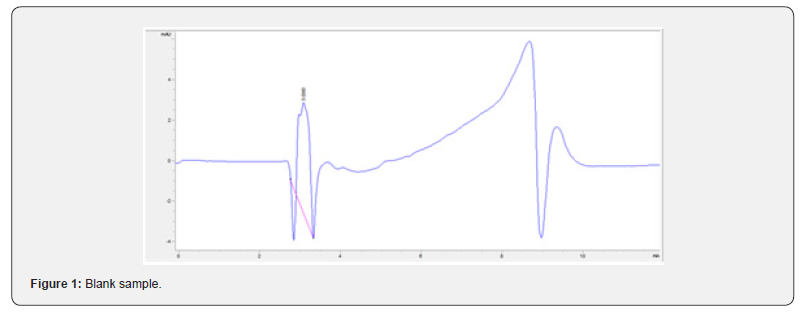
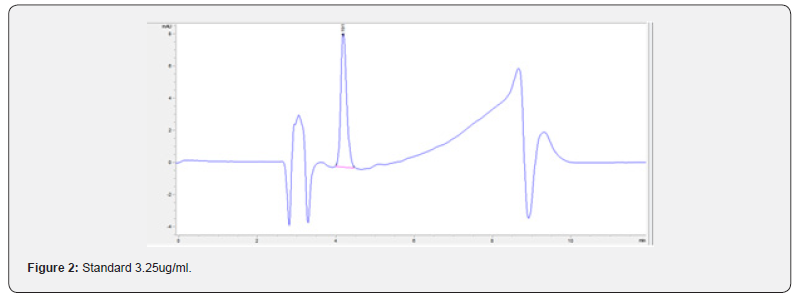
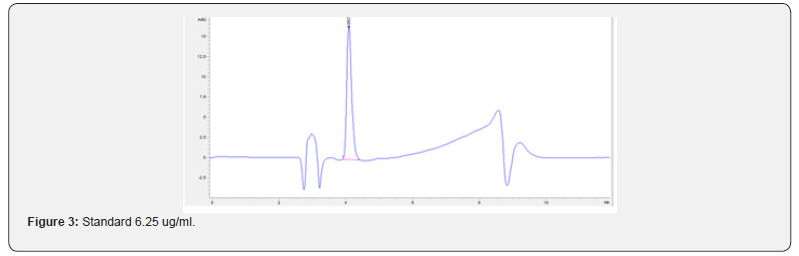
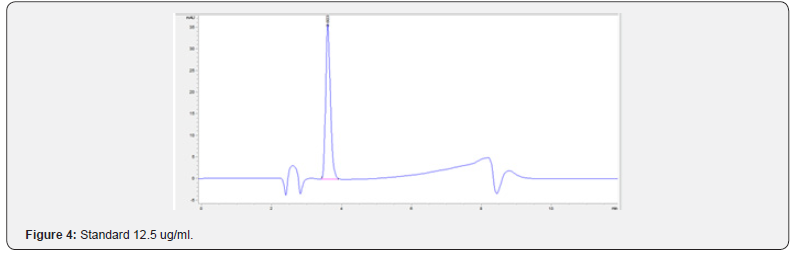
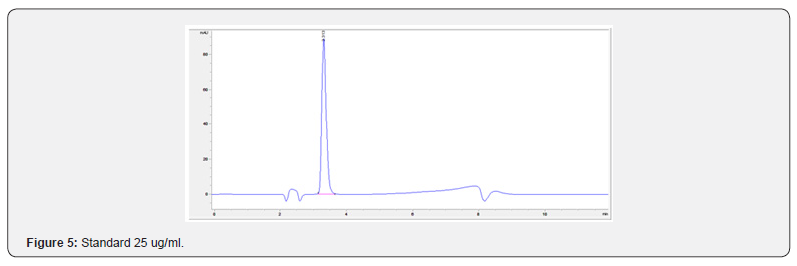
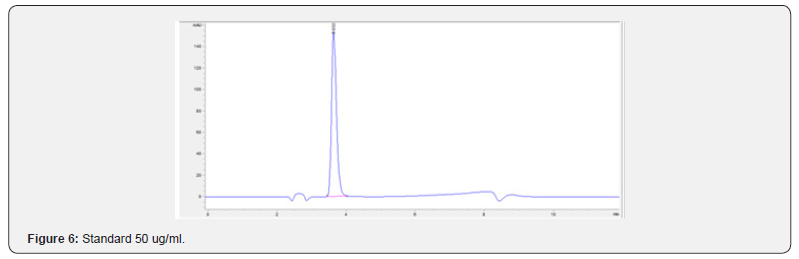
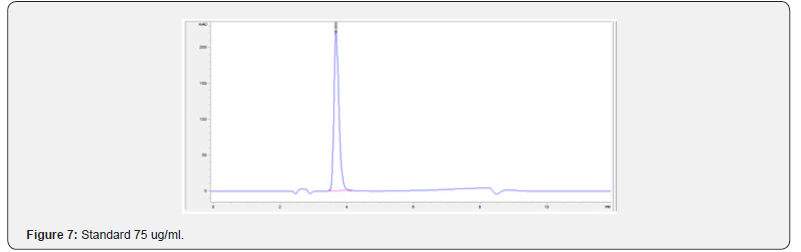
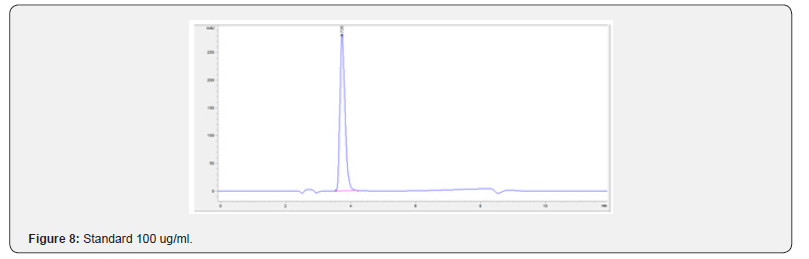
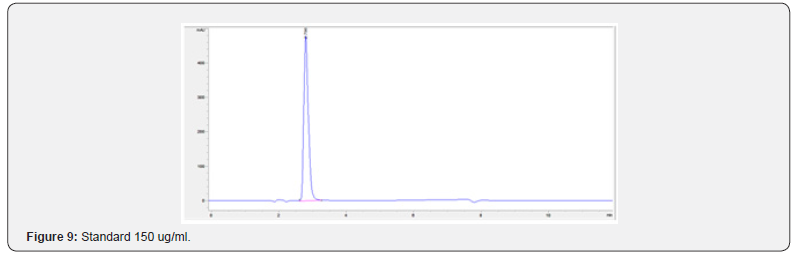
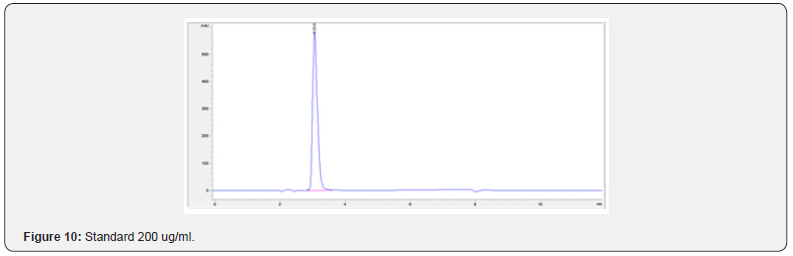
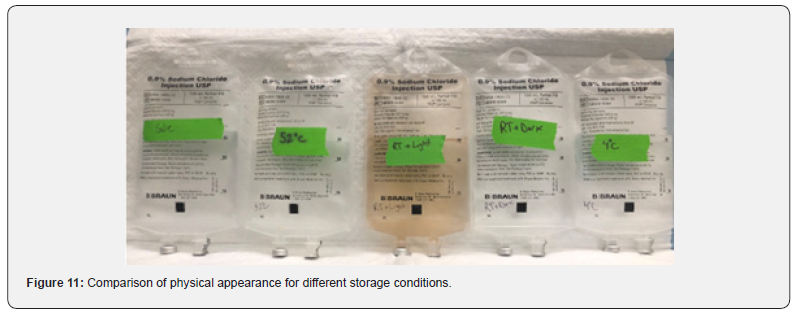
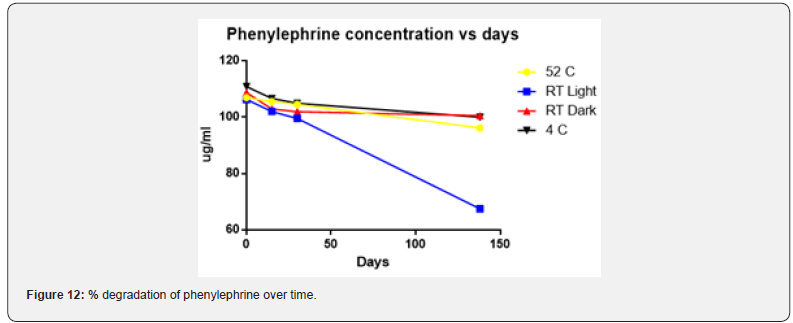
Physical stability of phenylephrine was assessed by visual examination. Solutions were evaluated against a black and white background for visible particulate matter, cloudiness, or color change. The pH of the samples was not assessed, as previous studies have not demonstrated appreciable changes in pH. Phenylephrine concentrations were determined using highperformance liquid chromatography (HPLC) with ultraviolet light. The HPLC system consisted of an autosampler, a delivery pump, a C18 column with a guard column, a variable-wavelength ultraviolet light detector set at 273 nm, a data integrator, and a solvent waste container. A gradient mobile phase system consisting of 0.02M ammonium acetate with 0.1% formic acid (A) and methanol with 0.1% formic acid (B) was used. The separation was achieved with a linear gradient program as follows: 20% v/v B at zero time; from 0 to 5 min, ramp up to 67% v/v B; from 5.01 to 20 min, hold 20% v/v B. The flow rate was 1.5 mL/min. The injection volume was 100 μL. The chromatograms were extracted at 273 nm. All determinations were performed at 25°C. The HPLC software, Chem Station (Version C.01.09; Agilent, 2018) was used to perform the regression analysis, generate the best-fit equations, and generate the coefficient of correlation values. Chromatogram peak heights and areas were used to determine phenylephrine concentrations. All samples for each storage condition were assayed in duplicate. Calibration of the HPLC system was performed by construction of a standard curve using nine known concentrations of phenylephrine hydrochloride (range, 3.125– 200 μg/mL) (Figures 2-10). Coefficients of determination (R2) for the standard curve were 0.995–0.999 for the entire study. Retention time for phenylephrine was on average around 3-4 minutes. Phenylephrine diluted to 100 μg/mL in 0.9% sodium chloride for injection was physically stable in all conditions except for room temperature (23°C - 25°C) exposed to fluorescent light. When exposed to light at room temperature, the solutions changed from clear to a light red hue color with a slightly turbid appearance around day 108. Approximately, on average 7.6% to 10.0% phenylephrine degradation was observed over the 138- day study in all conditions except the room temperature exposed to fluorescent light which experienced a 36.5% degradation (Table 1).

Study Limitations

The study was originally designed to determine long-term stability at Day 120. However, we encountered a technical problem whereby the HPLC column experienced catastrophic failure after day 30. Several attempts to repair the column were performed including extended wash cycles and regeneration cycles. These attempts were unsuccessful and had to resort to ordering a duplicate HPLC column with the same characteristics as the original one. The duplicate HPLC column had to undergo several quality control tests to ensure reliability prior to using it for this experiment. Consequently, the duplicate HPLC column was verified to be operational on day 137 and therefore the longterm stability testing date was performed on the following day (day 138) (Figure 11 & 12).

Discussion

Previous studies have evaluated the stability of phenylephrine in 0.9% sodium chloride solution [14-16]. A study by Gupta [14] found that phenylephrine was stable in 0.9% sodium chloride solution for 14 days. This study found less than 1% degradation of phenylephrine stored in PVC bags using HPLC analysis after the 14-day period [14]. While the Gupta [14] study showed almost no degradation (<1%) of phenylephrine exposed to light, the current study revealed a 4.07% degradation of phenylephrine exposed to light at 15 days. The Kiser [15] study found that phenylephrine remained stable for 30 days while exposed to normal fluorescent lighting. All samples involved in the Kiser study experienced less than 2% degradation over the 30-day study period [15]. Despite a slightly higher degradation rate of 2.2% to 6.4% at the 30-day point, the current study also showed stability of phenylephrine in solution at 30-days. A 60-day study by Jensen [16] demonstrated the stability of phenylephrine to continue over the course of the study. The Jensen study showed a 1% to 3% degradation at 30 days, and about 4% to 6% degradation at 60 days [16]. The current study suggests that phenylephrine remains stable in solution for at least 138 days when stored in the dark. Similar to previous studies it also suggests that phenylephrine remains stable for at least 60 days when a room temperature sample is exposed to normal fluorescent lighting. This study did not look at the sterility of phenylephrine in solution. Phenylephrine manufacturers do not include preservatives within the phenylephrine vials, and the sterility of prepared solutions of phenylephrine must be assessed according to the standards in chapter 797 of the United States Pharmacopeia [17]. Further research is needed to assess the sterility of phenylephrine solutions for long-term use. Knowledge of the extended stability and storage conditions of phenylephrine in solution in PVC bags allows individual practitioners and pharmacies to prepare solutions in advance and store them until the drug is clinically needed. This allows immediate access and reduced delivery time to a potentially life-saving drug in the event of a hypotensive emergency. Additionally, the extended stability of phenylephrine in solution could potentially reduce drug costs and wastage over time.

Conclusion

This study suggests that phenylephrine hydrochloride diluted to a concentration of 100 μg/mL in 0.9% sodium chloride remains stable for at least 138 days for samples that are stored in the dark. Similar to previous studies this study also suggests that phenylephrine hydrochloride diluted to a concentration of 100 μg/mL in 0.9% sodium chloride exposed to normal fluorescent lighting is stable for at least 60 days at room temperature.


To Know more about our Juniper Publishers

Tuesday, January 30, 2024

An Antenatal Diagnostic of Meckel Gruber Syndrome (MKS): Case Report - Juniper Publishers

 Reproductive Medicine - Juniper Publishers


Abstract

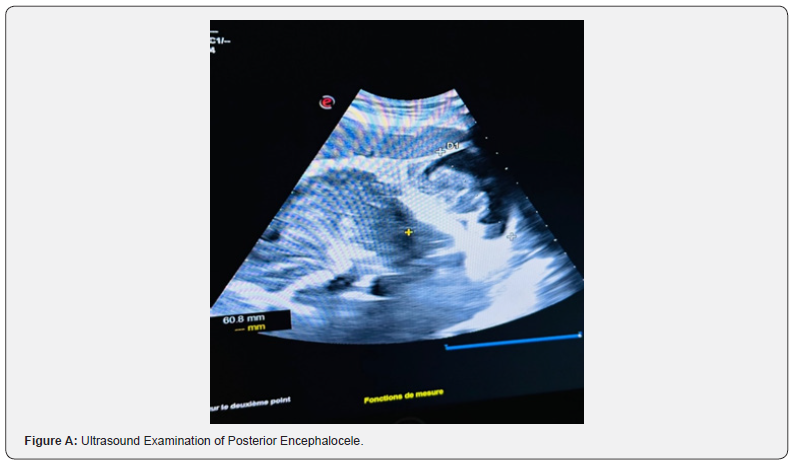
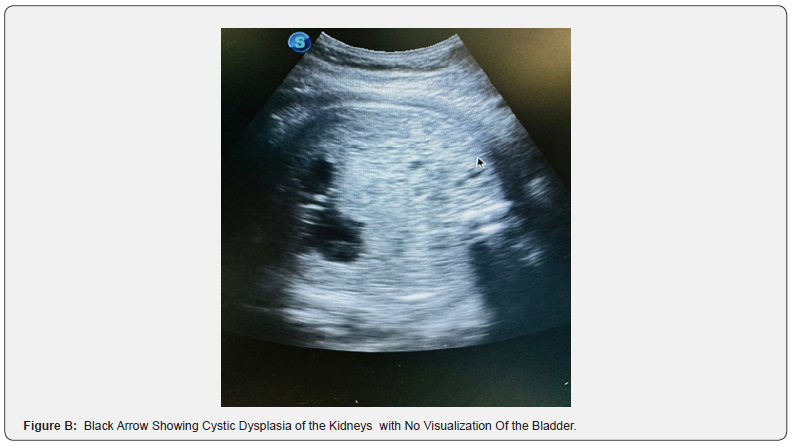
MKS, Meckel Gruber syndrome is a rare, lethal, genetic multiple congenital anomaly characterized by the following triad: cerebral malformation (primarily occipital encephalocele), polycystic kidneys, and polydactyly, as well as associated abnormalities that may include cleft lip/palate, cardiac and genital abnormalities, central nervous system (CNS) malformations, hepatic fibrosis, and bone dysplasia.

The mode of transmission of MKS is autosomal recessive. Genetic counseling should be offered to couples at risk. MKS is lethal in utero or in the very early neonatal period, with pulmonary hypoplasia and renal failure being the main causes of early death. Our case illustrates the importance of prenatal diagnosis, essentially by ultrasound, in order to ensure adequate management.

Keywords: Meckel syndrome; Renal dysplasia; Encephalocele; Antenatal diagnosis; Polydactyly

Abbreviations: CNS: Central Nervous System; AR: Autosomal Recessive; MKS: Meckel-Gruber Syndrome

Introduction

Meckel-Gruber Syndrome, is a rare, lethal, autosomal recessive congenital polymalformative syndrome, which was first described in 1822 in the German literature [1]. MKS was described by Meckel in 1822, and Gruber in 1934 combining encephalocele, cystic dysplasia of the kidneys, and polydactyly. The variability of the clinical cases reported in the literature demonstrates that the multifaceted nature of this syndrome is an essential characteristic. Ultrasound is, at present, the best means of antenatal diagnosis of this lethal poly malformation [2]. The diagnosis is based mainly on the genetic study especially karyotype, thus allowing to separate the differential diagnosis especially trisomy and 13,18, as it also allows to assign the genetic counseling to the couple. In this article we report a case of Meckel-Gruber syndrome in a young couple with notion of consanguinity, who benefited from an echography within the framework of screenings of malformation making suspect this syndrome before the encephalocele and polycystic kidneys, the pregnancy stopped at 28 weeks of amenorrhea.

Case Presentation

We hereby present the case of a 20-year-old woman, without any particular pathological history, primigravida primiparous, with notion of 1st degree consanguinitis, the patient was followed at our facility and underwent a first-trimester ultrasound examination at 14 weeks of gestation, showing occipital encephalocele (Figure A), hydrocephalus, renal dysplasia and non-visualized bladder (Figure B), raising strong suspicion of MKS syndrome. The prenatal check-up was without abnormalities, and there was no evidence of any drug or Phyto-therapeutic intake. The medical interruption of pregnancy was proposed and refused by the couple.

At 28 weeks of gestation the patient was referred in labor to our structure, the ultrasound on admission showed the same polymalformative complex associated with total amnion, she gave birth to a newborn female, weighing 1700g who died after 6 hours of life due to respiratory distress. The macroscopic inspection revealed: on the cephalic pole: retrognatitis (Figure 1) and posterior encephalocele (Figure 2); on the abdomen: hepatosplenomegaly with ascites; on the limbs: polydactyly (Figure 3) on the 4 distal segments, club feet (Figure 4); cleft palate (Figure 5); examination of the spine and external genital organs was normal. Autopsy examination was not approved by the family. Faced with this poly-malformative syndrome, the diagnosis of Meckel syndrome was suggested.

Discussion

Dysencephalia Splanchnocystica or MKS, all synonyms of the same syndrome due the etymology of the Meckel Gruber Syndrome. In 1822 this syndrome was first described by Johann Friedrich Meckel, a German anatomist, who found two twins who died with identical malformations: occipital encephalocele, polydactyly, and polycystic kidneys [3]. Then, in 1934 George B Gruber described familial cases with the same clinical features, including omphalocele, genital ambiguity and hepatic fibrosis; it was he who proposed the term splacnocystic dysencephaly to these findings [3]. It was Opitz and Howe who proposed the name Meckel-Gruber syndrome with subsequent refinement of the diagnostic criteria [3,4].

Meckel-Gruber syndrome is a lethal, autosomal recessive syndrome; the risk of recurrence is 25% with each pregnancy. It has been frequently described in consanguineous marriages, but also occurs in nonconsanguineous couples. It has a penetrance of 100% and variable expressivity. A wide variety of malformations have been observed in this syndrome, the most consistent being occipital encephalocele, polycystic kidneys and polydactyly [3,4].

The worldwide incidence varies between 1 per 13 250 - 140 000 live births. A high incidence has been reported in the Indian Guajarati population with 1 birth in 3,500 (carrier rate of 1 in 18). There is either a predilection for the population of Finland, where the incidence at birth is 1/9,000. Meckel syndrome is estimated to account for 5% of all neural tube defects in Finland. In Belgian ancestry, the incidence is 1/3,000 persons. The incidence of MKS is also high in consanguineous groups such as the Bedouin tribes of Kuwait (1 in 3,530 live births) [7] and the population of Saudi Arabia (1 in 3,500 live births) [8]. It usually occurs in the context of consanguineous unions; more than 200 cases have been reported in the literature [5,6].

Meckel-Gruber syndrome is caused by mutations in genes encoding proteins that are structural or functional components of primary cilia. The diseases caused by mutations in ciliary genes are collectively called ciliopathies, and the MKS is the most severe of this group of diseases. It can be caused by mutations in any one of at least eight genes; CEP290, B9D1, B9D2, CC2D2A, MKS1, RPGRIP1L, TMEM216, TMEM67. It is known or suspected that the proteins produced by these genes play a role in cellular structures called cilia. Cilia are involved in signaling pathways that transmit information between cells. They are important for the structure and function of many cell types, including brain cells and certain cells in the kidney and liver. Mutations in genes associated with Meckel’s syndrome cause problems with cilia structure and function. Defects in these cellular structures can disrupt chemical signaling pathways important during early development.

MKS is highly phenotypically variable, highly genetically heterogeneous, and antagonistic to other related ciliopathies, such as Joubert syndrome, which greatly complicates diagnosis. Recent advances in genetic engineering have greatly improved diagnosis, genetic counseling, and clinical management of MKS families through the extensive use of multigene panels for molecular testing, unfortunately, these advances in scientific research are not yet accessible.

Autosomal recessive (AR) inheritance of MKS is confirmed by equal occurrence in males and females, concordance in monozygotic twins, examples of affected siblings, and possibly parental consanguinity. If the disease occurred during a previous pregnancy, the risk of recurrence is 25%, Hence the importance of genetic counseling for this couple. In all cases it is necessary to perform a family genealogical tree of the couple for genetic counseling [9]. MKS is fatal in utero or shortly after birth, often due to pulmonary hypoplasia, although there have been exceptional reports of survival [9].

Prenatal diagnosis, in our institution, is fundamentally ultrasound, in this case it occurred at 14 weeks of gestation, which began with abnormal findings in routine standard studies that led to a more detailed study for diagnosis, although it has been described that it could be diagnosed as early as 11-12 weeks, especially in families at high risk through the visualization of anomalies in the central nervous system, kidneys and even in the fingers.

The diagnostic criteria for prenatal Meckel syndrome were based on finding the presence of two of the three classic malformations: occipital meningo-encephalocele, multicystic renal dysplasia and bilateral postaxial polydactyly which are described to be present in 100% of this case [10]; another constant malformation is hepatic fibrosis which could not be established. These findings are thus considered as major criteria for diagnosis [11,12]. Besides hepatic fibrosis, all diagnostic criteria can be assessed by ultrasound diagnosis during the 1st trimester of pregnancy, thus underlining the importance of prenatal diagnosis in this syndrome, given the difficulty of access to genetic diagnosis. Transabdominal ultrasound performed at 10-14 weeks gestation for polycystic kidney disease (after 9 weeks of gestation), occipital encephalocele (after 13 weeks of gestation), and polydactyly (after 11 weeks of gestation), occurring in both high-risk and low-risk pregnancies [9]. Visualization can be affected by oligohydramnios, but is less problematic when performed in the first trimester of pregnancy [13]. Transvaginal scan allows further investigation of abnormalities. The fetal bladder can be seen by ultrasound from week 11 of gestation, and the absence of an apparent fetal bladder frequently indicates renal dysfunction.

Malformations at the central nervous system are variable; defects of the corpus callosum and of the midline in general, hydrocephalus have been described. Posterior fossa dysgenesis (posterior fossa cysts, vermis agenesis, etc.) is also frequent. In all cases postnatal anatomopathological examination is recommended to reach the diagnosis, but this was not possible in this case due to the parent’s decision. There are multiple other malformations described that should be searched in this syndrome, although their frequency is lower, for example, cleft palate (45% of cases) present in this case, cardiac malformations (20%), tongue, splenic malformations, ocular (microphthalmia, retinal dysplasia, congenital cataract, etc.), facial, micrognathia, low-implantation ears [3,14].

Fetal MRI is an alternative if ultrasound is inconclusive or lack of amniotic fluid prevents providing clear images. It can provide better soft-tissue resolution than ultrasound but is rarely performed before 18 weeks’ gestation. the transabdominal or vaginal endoscopy in the first trimester of pregnancy allows the diagnosis by visualization of the surface anatomy of the fetus. Fetoscopy allows direct observation of polydactyly and occipital encephalocele from 11 weeks of gestational age [15]. Prenatal diagnosis is also possible by a combination of these techniques, α-fetoprotein testing of amniotic fluid, and DNA testing of the fetus and parents. For example, elevated maternal α-fetoprotein levels during prenatal screening may be associated with this syndrome [16].

The differential diagnosis should be made with chromosomopathies such as trisomy 13, trisomy 18, in both of which a karyotype would make a diagnosis; with Smith- Lemli-Opitz syndrome, Bardet-Biedl syndrome, Beemer-Langer syndrome, Carpenter-Hunter syndrome, autosomal recessive but genetically heterogeneous Joubert syndrome, which is frequently associated with renal dysplasia and polydactyly, and many other polymalformative syndromes. Diagnostic orientation will be occipital encephalocele, polycystic kidneys, polydactyly and other findings that will be confirmed by autopsy.

Conclusion

The syndrome is a rare disease of autosomal recessive inheritance, of higher frequency in consanguineous couples, although it also occurs in non-consanguineous marriages; the diagnosis, in our environment, is mainly based on ultrasound scan, it has been described that it can be performed from the 11th week in patients with known risk and through genetic diagnosis. Genetic counseling is important since there is a risk of recurrence of 25% in each pregnancy, this will allow the couple to decide on their obstetric future.

To Know more about Global Journal of Reproductive Medicine
Click here: https://juniperpublishers.com/gjorm/index.php

To Know more about our Juniper Publishers
Click here: https://juniperpublishers.com/index.php

Happy Thanksgiving 2026 – Warm Wishes and Greetings

  Juniper Publishers wishes you a Happy Thanksgiving! May your day be filled with joy, gratitude, happiness, and countless blessings.