Showing posts with label Environment. Show all posts

Friday, October 6, 2023

Environmental Effect of Oil Spillage and Cleanup on the Marine Environment in Selected Niger Delta Communities - Juniper Publishers

Environmental Sciences & Natural Resources - Juniper Publishers


Abstract

Oil spills have been recurrent and impacting damaging effects on the environment particularly within the oil-producing region. This research examines environmental effect of oil spillage and cleanup on the marine environment in selected Niger Delta communities. It seeks to assess how the federal government and the oil firms manage oil spill incidents and the degradation of environment brought about by the oil spillage. The results of the research have identified gaps and need for improvement to manage oil spills incidents to protect the environment. It has uncovered the need for the Nigerian environmental laws and policy to be updated. It is proposed that there is need for the government to set out strict obligation for degradation of the environment. The oil generating organisations in Nigeria should comply with international best practices in exploitation of oil and the Nigerian government should embrace different suitable technology for oil spill control as well as involving inhabitants of the Niger delta region in the management of oil spill.

Keywords: Oil; Spill; Environment; Marine; Niger delta

Introduction

Oil spillage is a global issue that keeps occurring since the discovery of crude oil, which was part of the industrial revolution. Through human activities, the total spillage of petroleum into the oceans, seas, and rivers is estimated to the range 0.7-1.7 million tons per year [1]. Oil spills have posed a major threat to the environment of the oil-producing areas, which if not effectively checked can lead to the total destruction of ecosystems [2].

One activity that has aroused considerable interest across the globe and especially in oil producing countries like Nigeria especially in the Niger Delta region is crude oil exploration. Crude oil exploration is one of such activity that can affect the environment negatively especially when accidents occur in operations resulting to spillage of oil. According to Egwu [3], one of the factors that cause discharge of oil to the environmental is the unethical engineering operations practiced by the industries involved [4].

The Niger Delta is among the ten most important wetland and marine ecosystems in the world. The oil industry located within this region has contributed immensely to the growth and development of the country which is a fact that cannot be disputed but unsustainable oil exploration activities have rendered the Niger Delta region one of the five most severely petroleum damaged ecosystems in the world. Studies have shown that the quantity of oil spilled over 50 years was at least 9-13 million barrels, which is equivalent to 50 Exxon Valdez spills [2].

The Exxon Valdez oil spill which occurred in Prince William Sound, Alaska, on March 24, 1989 with an estimated crude oil spill of 260,000 to 750,000 barrels and more recently the BP deep-water horizon oil spill on 20 April 2010 in the Gulf of Mexico caused by the explosion and sinking of the Deepwater Horizon oil rig are some examples of oil spill effect. It caused an oil discharge for 87 days with an estimate of the total discharge at 4.9 million barrels, [3]. As a result of lessons learnt from these and other oil spills, the prevention, response and management of oil spills is being given top priority worldwide especially in oil producing countries such as Nigeria in order to circumvent the economic and environmental hazards of an oil spill.

The recent Ogoni oil cleanup exercise due to an oil spill by Shell BP has its negative effect due to the harmful chemicals used in the process [5]. Spillage of oil from exploration activities has lead to massive environmental degradation in the past decades. Such problems include contamination of water bodies, danger to aquatic life, destruction of flora and farmlands which includes resort centers, destruction of properties, loss of lives and many more [6].

In addition, oil spillage and cleanup impacts to the environment can lead to unwanted migration of people as well as aquatic organisms from the areas. According to Nwilo & Badejo [7], the consequences of oil spill and cleanup is far-reaching as it impacts negatively on the economy of a region, pollutes water thereby health of the local community, and contaminates soils rendering it futile for farming apart from the reputation of the oil companies involved.

Literature Review

Egbe & Thompson [8] grouped the various causes of oil spills under eight headings as follow:

1. Blow Outs: Oil well blow out occurs when the well is not kept under control that is to behave in such a way that the hydrostatic mud head counter balances the formation pressure and prevents the formation fluid from entering the well formation during drilling operations.

2. Sabotage: When the cause of spill is mischievously deliberate and not accidental.

3. Corrosion: When the cause of leakage is rusty equipment.

4. Equipment Malfunction: Breakdown and failure of equipment are often the most frequent causes of separator and tank over-flow.

5. Operations / Maintenance Error: Bad oil operation practices like untrained personnel and lack of maintenance of the equipment.

6. Natural causes: Oil spillage: Oil spill could occur as a result of natural causes; they are causes which are not manmade or induced thus, occurring without any fault of man (Examples motion of tectonic plates, rain, flood, etc.).

7. Accident from third party.

Olukayode [9] identified the physical presence of the oil industry in Nigeria as so great and has resulted in a lot of actions in the upstream sector which has harmful effects on ecosystem stability and local biodiversity that the peoples‘ livelihoods depend upon. His work provided a general idea of environmental issues in the oil and gas industry in Nigeria with specific focus on oil spillage, he highlighted the best approaches to attaining high environmental performance in the oil and gas industry in Nigeria [10]. He used a comparative study approach on reports on the oil and gas industry report from Shell and Nigerian National Petroleum Company. He observed that oil spills occur more as a result of vandalization than rupture during operations.

Many scholars have specifically examined the effects of oil pollution on the environment both in Niger Delta and in West African coastal regions. Some of these studies concentrated on the identification of sources and their potential effects on the marine environment, ecosystem, etc, and other related papers have also dealt on marine pollution and the various sources. Some of these papers include the identification of identifying sewage, industrial effluents, plastics that float on water and abandoned objects other than vessel-based ones, as sources carried out by Elenwo & Akankali [11] and Okuma [12] on the effects of Marine Pollution on Nigerian Coastal Resources. From their work, the effects of these sources on the marine environment are degradation and thermal pollution which adversely affects the ecosystem, eutrophication from untreated waste that destroys marine organisms and plants and cause the depletion of dissolved oxygen that adversely affects Biochemical Oxygen Demand (BOD). Uyigue & Agho [13] and Badejo & Nwilo [14] in their separate research contributed to issues such as health and economic implications of oil spill, severe environmental damages, loss of mangrove forest, and other social factors as effect of spill-induced in Nigeria with particular reference to Niger Delta. Elenwo, & Akankali [11] identified sewage, industrial effluents, plastics floating on water and neglected objects other than vessel-based ones, as sources. According to them, the specific effects of these sources on the marine environment include degradation and thermal pollution which adversely affects the ecosystem, as well as eutrophication arising from untreated waste which can destroy sea animals, plants and causing the depletion of dissolved oxygen that affects Biochemical Oxygen Demand (BOD).

Kadafa, Zakaria & Othman [15] appraised the relevant laws in their studies organizational and institutional framework of oil spillage and pollution management in Nigeria (including international agreements) enacted by the government of Nigeria since 1963 which aim to mitigate the incidence of oil pollution. In addition, they also examined the relevant agencies established to implement procedures on oil pollution and management during oil prospecting/production activities. Also, Onyema et al. [10] posited that the provisions of Environmental Guidelines and Standard for the Petroleum Industry (EGASPIN) should be followed strictly to facilitate effective management of offshore E&P wastes in Nigeria as it is not in line with contemporary international standards as most of the parameters tested and analyzed are not within limit.

Nwokedi, Moses, Ibe & Onyemechi (2017) in their work on Economic Implications of Marine Oil Spill to Nigeria assert that they study adopted the natural resources damage assessment model, using data collected from the Nigerian National Petroleum Corporation (NNPC), the Organization of Petroleum Exporting Country (OPEC) and National Bureau for Statistics (NBS), they concluded that within the period covered in their study, 1984- 2012, the Nigerian economy lost an estimated 3,928,260,196 naira revenue due to oil spill which is not inclusive of remediation cost, third party costs and impact on the environment.

Also, that total of 1184 oil spill incidences led to the spill of total sum of 1,301,397.2 barrels of oil over the 29 years period and that average of 1099.153 barrels was lost per spill incident with an average economic loss of 3,317,787.3 naira per spill incident. Elei (2014) carried out research work on Illegal oil trading in Nigerian maritime industry and its impacts on the economy. He posits that most of the oil spill incidences are attributable to accidental discharge, others are operational discharge. He proved that illegal oil trading in the Niger Delta also contributes to oil spill leading, to economic losses and pollution of the Nigerian marine environment. Apart from the economic implications of oil spill, which is the central focus of this study, severe environmental damages, loss of mangrove forest, depletion of fish population, contamination of domestic and industrial sources of water, prevalence and promotion of spill-induced diseases and ill health, among are key observable impacts of oil spill, Michael & Hui [16] also provided these prove.

In view of the focus of this research work, the above reviews are limited and most of their findings are to a certain extent instructive and informative. For instance, the studies have established the oil pollution from various sources, the negative impacts on marine resources which affects the economy of littoral states [11] and (Umo, Nitonye 2015). Olukayode [9] identified the physical presence of the oil industry in Nigeria as so great and has resulted in a lot of actions in the upstream sector which has harmful effects on ecosystem stability and local biodiversity that the peoples’ livelihoods depend upon. This present study would specifically look at some communities in Warri south LGA of Delta State whose predominate occupation is fishing and farming, hence the need to explore the immediate and later effect of oil spill and clean up exercise in this area.

Materials and Methods

The applied model in this research implements both qualitative and quantitative data. This model was used in light of the fact that the research included exploring participants’ opinion towards issues of oil spill considering the causes and impact as well as the management of oil spill in the region. Qualitative data gathered were broken down and the quantitative information investigation comprised of enlightening details including associations amongst variables. The fusion of both research strategies gives a clearer understanding of the subject matter such as the causes, impacts and management of oil spillage in the Niger delta region of Nigeria.

The population of interest covered in the research involved affected community population both male and females and oil company workers with workplace in the region. The communities include the Kurutie, Okerenkoko, Oporoza, Ebimo, Ogbijaw, Gwangwe, etcetera, all in Warri south LGA.

The questionnaire was designed to meet the research objectives and the. The questionnaire consisted of the following sections:

1. Individual and occupation details.

2. Oil spill Awareness: these questions were designed to know the knowledge of oil spill (participant)

3. Causes and impact of oil spill: this aspect of the questionnaire is designed to identify the causes of oil spill and the impacts to the community.

4. Management of oil spill: the questions of this aspect was to identify the effectiveness of the management approach of oil spill by the locality.

5. Comments: this section is designed for respondents to make any comment or contribution for the research.

A total of 400 questionnaires were dispensed to the inhabitants of the Niger delta region in Nigeria. Out of the 400 questionnaires that were distributed, 376 were returned. Out of the amount returned, 6 were incomplete and 20 were blank indicating that the individual might have decided not to participate while 350 were fully completed.

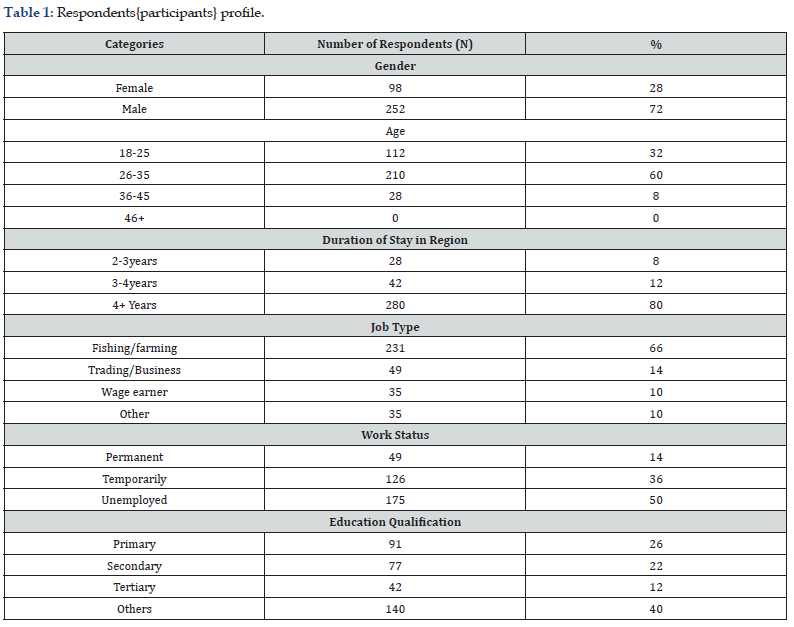
Table 1 gives a description of the attributes of the participants. The profile of the 350 individuals demonstrates that all respondents have stayed in the Niger delta region for at least two years.

72% (n=252) out of the aggregate respondents were male and 28% (n=28) were female. 32% (n=112) were matured individuals between 18 and 25 years of age; 60% (n=210) were between 26 and 35 years of age; 8% (n=28) were between 36 and 45 years of age; none was recorded for 46 years and over. As shown in table 1, a large volume of response obtained shows that 66%(n=231) of the total respondent’s fishers and farmers. This is closely followed by the trading/business with 14% (n=49), while wage earners are 10%(n=35) and other types of jobs 10%(n=35) respectively. These identified job types are in accordance with the literature as common job types of majorities of the Niger delta region inhabitants. The table also shows the education qualification and current work status of the respondents.
Awareness

The question in this sub sub-section is to ascertain the knowledge or understanding of oil spill incidents of the respondents. This is to identify whether the respondent is qualified to complete the survey for the research.

Knowledge of oil spill

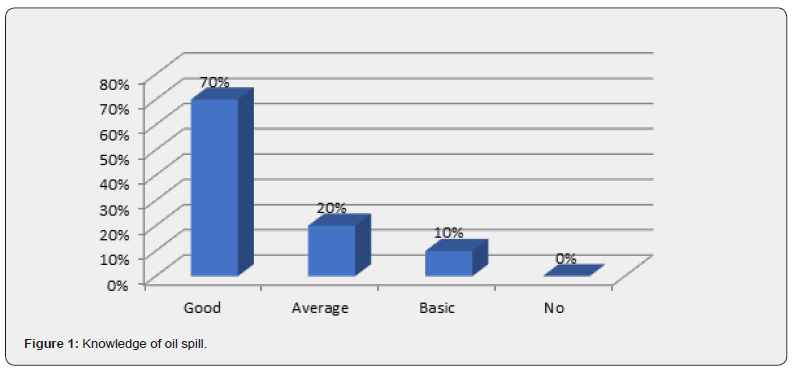
From the survey responses gathered, all respondents have knowledge of oil spill. 70% of the respondents indicated that they have a good knowledge of oil spill, while 20% have average knowledge of oil spill and 10% have just basic knowledge of oil spill as can be seen in Figure 1 below. This was necessary as to justify that the respondent have understanding of the subject and questions in the survey to be answered.

Additionally, the survey went further to find out how many respondents have experienced or witnessed oil spill incident. The outcome of this particular question was shocking as all respondents (100%) indicated that they have experienced oil spill occurrence. The interviews confirmed this as normal to the inhabitants in the region. This is because most of the pipelines for transporting extracted crude oil are suited along residential areas or beside the roads that can be easily sighted by people. As such it is easy for one to see oil spill occurring when incidents such as pipeline leakage occurs (Figure 2).
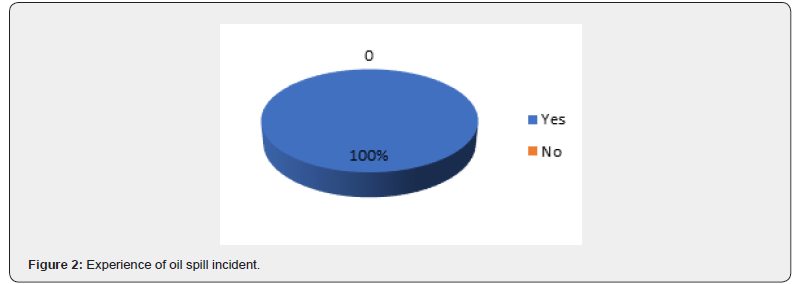
Number of Oil spill observed within the last 5 years (from 2018 to 2022)

This section seeks to identify the amount and then the rate of oil spill occurrence in the Niger delta region (Figure 3).
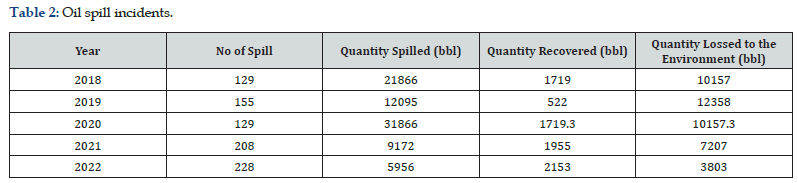
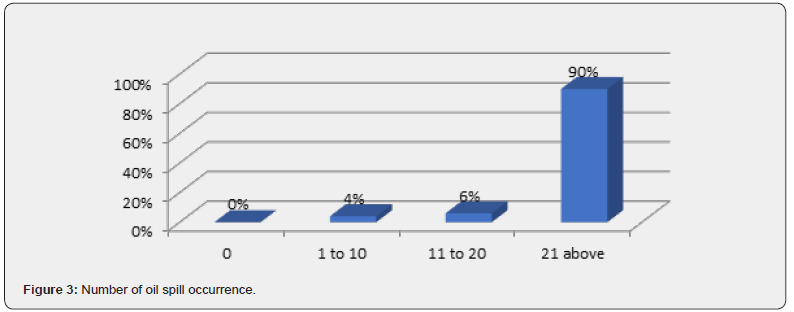
From the graph above 4% of the respondents indicated they have experienced 1 to 10 incidents within five years in the Niger delta region, 6% indicated that they have experienced about 11 to 20 oil spill incidents in their period in the Niger delta region while an enormous percentage of 90% indicated that they have experienced above 21 oil spill incidents within five years in the Niger delta. These results from the questionnaire survey can be verified from a data obtained from the Department of Petroleum Resources of Nigeria as can be seen below in (Figure 4) indicating the amount of oil spill occurrence in the Niger delta region in a particular period from 2019 to 2022. The outcome corresponds with finding in this research as respondents noted that oil spill incidents are enormous from the survey. The interview section also obtained same finding as the interviewees concluded that the rate of oil spill incidents in the region can be classified as high (Table 2).

Causes of oil spill

The research on this note seeks to identify the cause of oil spill in the Niger delta region especially regarding the amount and rate of oil spill occurrence in the region.

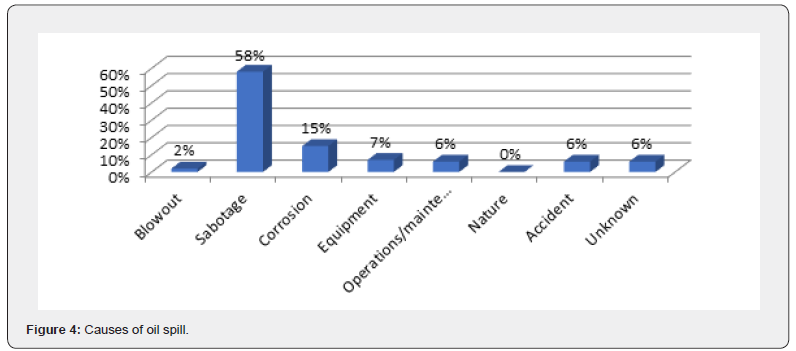
From Figure 4 above, it was gathered that the major cause of oil spill in the Niger delta region is the act of pipe sabotage. 58% of the respondents attributed the major cause of oil spill incident to Sabotage on a scale of 1 to 8 where 1 is the least cause of oil spill incident and 8 is the highest cause of oil spill incident in the region. The result also agreed with the literature as Egbe & Thompson [9] grouped sabotage as one of the causes of oil spillage in Nigeria oil producing area.

Factors responsible for the cause of oil spill

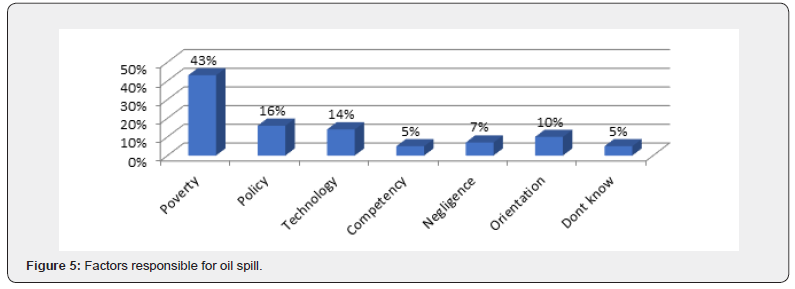
As gathered from the literature, the causes of oil spill are due to several reasons as such the survey seeks to identify the reasons for control where possible. The question for this section was grouped into 7 subjects to identify the reason or factors responsible for the cause of oil spill in the Niger delta region.

From Figure 5, the research gathered poverty to be the major factor responsible for the cause of oil spill. 45% of the respondents of the region inhabitants attributed the cause of oil spill to poverty while 16% and 14% of the respondents respectively indicated policy and technology as responsible factors leading to the cause of oil spillage. 4% of the respondents indicated competency in terms of personnel to conduct oil and gas operations in the area, while 5% indicated Negligence by responsible parties of the oil and gas sector in the region, and 10% attributed the cause to Orientation of people. From the interview section, Poverty was also gathered as the leading factor responsible for oil spill.
Impact of oil spill and oil spill cleanup

Oil spill cause pollution to the environment in several ways such as contamination of water or land pollution and can also lead to illness due to its chemical composition. This section of the questionnaire seeks to find out the impact of oil spill in the region, how it affects the inhabitants of the region and to what degree.

Amount of Inhabitants affected by oil spill

From the survey as detailed below in Figure 6, all respondents indicated that they have been affected by oil spill. This goes to mean that majority of the region inhabitants feels the consequence of oil spill in the region.
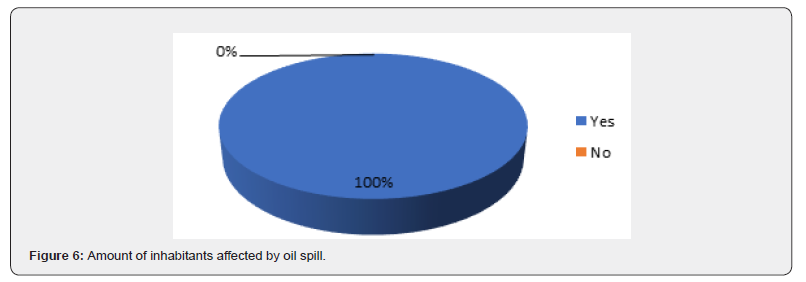
As seen from Figure 6, the survey went further ahead to find out if the region has been affected in one way or the other by oil spillage.100% of the respondents indicated that there have been in one way or the other affected by oil spillage incident.

Main areas affected by oil spill

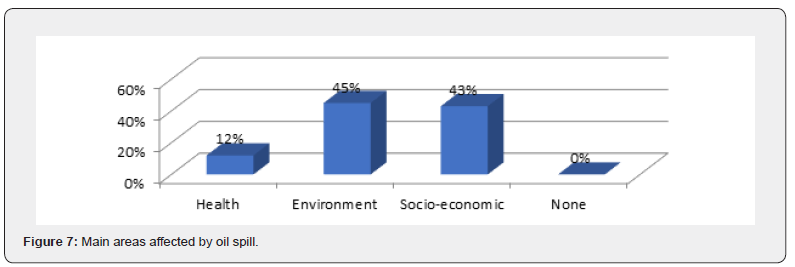
As gathered from the above sub-section in Figure 7, all respondents indicated to them felt the consequence of oil spill. The survey then went further to find out what has been affected mainly in the area and life of the inhabitants. The outcome is detailed in the graph below (see Figure 8).

From Figure 7, majority of the respondents indicated that the environment has been mainly affected. This is obvious as majority of the habitants in the Niger delta region are farmers and fishermen. More so this is evident in the literature review where Badejo & Nwilo [17] stated 48% of the occupation in the Niger delta is agriculture and fishing, this in turn affects the economy of the region. Businesses like restaurants and hotels face decline in profits as oil spill incidents leads to low turn up of tourists. This is due to the pollution of the beaches and reserves from the oil spill. This coincides with the literature research from ITOPE (2009), which noted that oil spill pollution of land and water leads to interference and loss of recreational activities such as diving and sporting events. Businesses that make use of the rivers and sea for their normal operations can also be adversely affected by the oil spill. Health of the inhabitants was also indicated has been affected by oil spill but not as the major concern as discovered by this research.
Duration of oil spill impact

Oil spill impact can be quite devastating to the environment, economy and health of persons in a particular region. In this section, the research seeks to find out the duration of the oil spill impacts to the Niger delta region for management improvements. From the survey, it was gathered from majority of respondents that the consequence of oil spill incidents in the region can take above six months on most occasion before controlled while only 1% indicated it takes between three (3) to six (6) months to stop or control oil spill impacts and none indicated less than 3 months.

From this section, it can generally be seen that majority of the respondents have been affected by the impacts of oil spill and these impacts can be rated high due to the quantity of barrels spilled and rate of oil spill incidents and even more the duration it takes to control majority of incident/impact. The oil spill incident has affected the environment, socio-economy and health of person residents in the region but has mainly affected the regions environment.

Conclusion and Recommendations

Oil spillage has had a major negative impact on the citizens of Nigeria, and the economy as a whole. An illustration of this can be seen in the friction caused between the oil producing/servicing companies and resident communities resulting in frustrations, finger pointing, clashes, general resentment and mistrust.

The cause of oil spill can lead to very disastrous situation as such should be treated as national emergency by the Nigerian government whenever it occurs. Not just because this is the case in other oil producing zones of the world but because it is the responsible thing to do. Now, the Nigerian oil industry is to a large extent dependent on foreign experts, international oil companies and other foreign organizations for spill management. This approach cannot add local content value with regards to the development and transfer of relevant technology and only degrades the country’s ability to deal with oil spills promptly and effectively. Well-developed spill management must involve expanded local knowledge of spills and a clear national spill contingency plan, provision of trained personnel and massive investment in response/clean up assets, equipment and technology.

a) The public or inhabitants (Farmers, Traders, women groups, school children and the youths) of the Niger delta should be enlightened on the negative effects of pipeline sabotage on the.

b) Adequate technologies for oil spill should be embraced without delay by oil operators in the Niger delta region.

c) The Nigerian government should continuously employ and train personnel at all levels for oil spill emergencies.

d) The oil organization should have free emergency national numbers in place this way the habitants in the region can call when there is an event of an oil spill.

e) The emergency responses procedures should be designed to swiftly take measures to protect the safety of the public, employees and the environment.

f) Without delay the Nigerian Government should implement effective national oil spill contingency plan at State and Federal levels for effective control of oil spill incidents in the Niger delta region.


Click here:  https://juniperpublishers.com/ijesnr/index.php


To Know more about our Juniper Publishers

Click here: https://juniperpublishers.com/index.php

Friday, November 5, 2021

The Effect of User-Generated Image Pixel Quality on User Experience: A Scenario-Based Experiment in Social Media - Juniper Publishers

 Psychology and Behavioral Science - Juniper Publishers

Abstract

The study investigates the influence of the pixel quality of user-generated images on user experience of watching pictures posted on social media. We identify the pixel quality as the dimensions of image quality, and aesthetic feelings, emotion, purchase, continued search and recommendation as the sub-dimensions of user experience measurement. We design scenario-based experiment to investigate the relationship between pixel quality and user experience. This paper can offer a new theoretical and practical perspective on user experience, image quality and user generated image field.

Introduction

The proliferation of social media platform greatly transforms the way people interact with physical products. Among all kinds of social media content, one type of information is worthy of further research: image. Consumers are inclined to view photograph to get the first impression of products for a short period, which is an effective avenue of tangibilizing intangible experience [1]. Users share them in social media to self-projecting and self-branding [1-15]. The implication of UGI not only facilitate other users to comprehend product-related experience, but also help marketer to unlock users’ intangible, subjective and ultimately personal user experience [2,16]. Accordingly, UGI can be critical or even precious in terms of user real experience.

Nevertheless, as some UGI are taken under a specific circumstance and with a certain emotion, it is not simple for other viewers to appreciate these pictures [3] and poor user experience can occur [4]. In addition, the quality of UGC images posted is varied, for there is no quality criterion required for UGI display, such as the angle change, insufficient light, and low resolution. This phenomenon may provide viewers with a mediocre or even horrible experience.

In particular, we pay attention to the resolution of the image. Image resolution is a vital parameter to represent the quality of an image [5]. All the image processing relies on the image pixel. As information is carried within the pixel, thus a higher resolution image will possibly give us greater vision impetus for it has more abundant information compared with the lower one. However, whether a greater pixel quality can increase all the user experience dimension is still not thoroughly researched. Therefore, we aim to investigate the relationship between the user-generated image pixel quality and user experience. Moreover, we highlight the user experience issue in this paper. User experience can be classified into emotional, aesthetic and behavioral dimensions. The emotion dimension is concerned with how we feel and react with the external stimulus [6,17]. It reflects the deeper psychological state of the holder [7,18,19]. Besides, aesthetic experience is multifaceted, diverse, complex, and associated with manifold subjective perceptions [8,20]. Different from emotion which is user-centered, the aesthetic feeling is product-centered [9,21]. Moreover, behavioral experience can be measured by continued search, purchase willingness and recommendation (Table 1).

Methods

Our study is designed to investigate whether the image pixel level’s quality has an influence on user experience. We have hypothesized the elevated image pixel quality, which is resolution factor in our research, can increase the user experience from both the emotion, aesthetic, search, purchase and recommendation experience.

Environment

Our study is carried within the environment of classroom. The experiment materials are displayed on monitors, allowing several subjects to do the experiments simultaneously. Temperature is controlled at 25 degree Celsius. During the experiment time, subjected are not allowed to talk to each other to avoid unnecessary interference.

Participants

One hundred and thirteen students from the various universities are enrolled in our study, in exchange for credit in their course. All participants are native Chinese speakers. They major in business (29.2%), management (31.0%) and accountant (39.8%). Three subjects’ answers are not included because they do not fill in the form completely. Of the remaining 110 students (Mage = 21.6, 42% male), 72.7% are the undergraduate students, and the others are the postgraduates.

The university students are chosen for the following reasons: On one hand, the students are early adopters to search the Internet for fun or information [22]. Lee and Shin’s research [23] acknowledge that university students are the major participator in product-related community online. On the other hand, university students have more free time and energy to be engaged in the community. Therefore, we select university students as our subjects.

Procedure

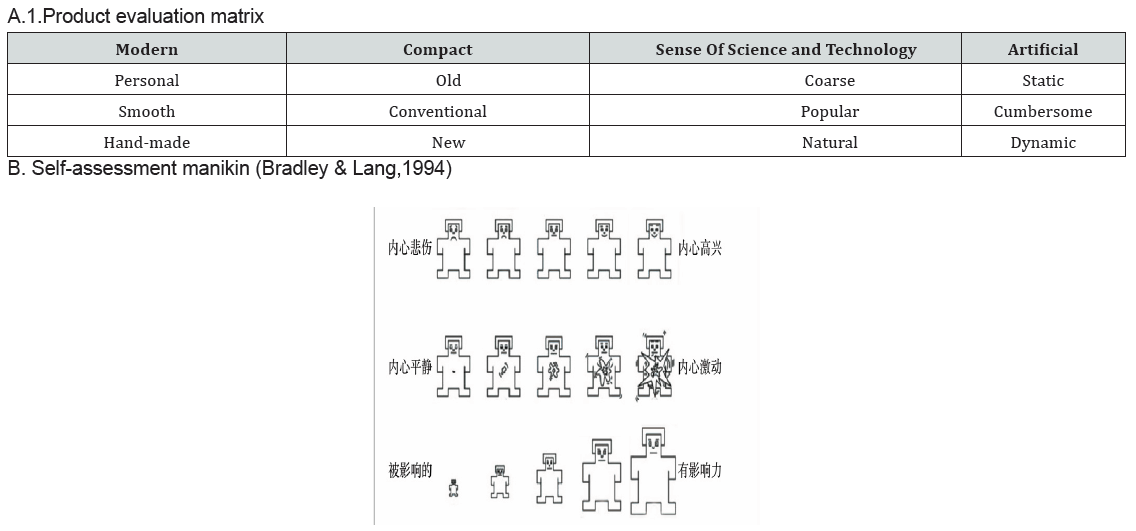
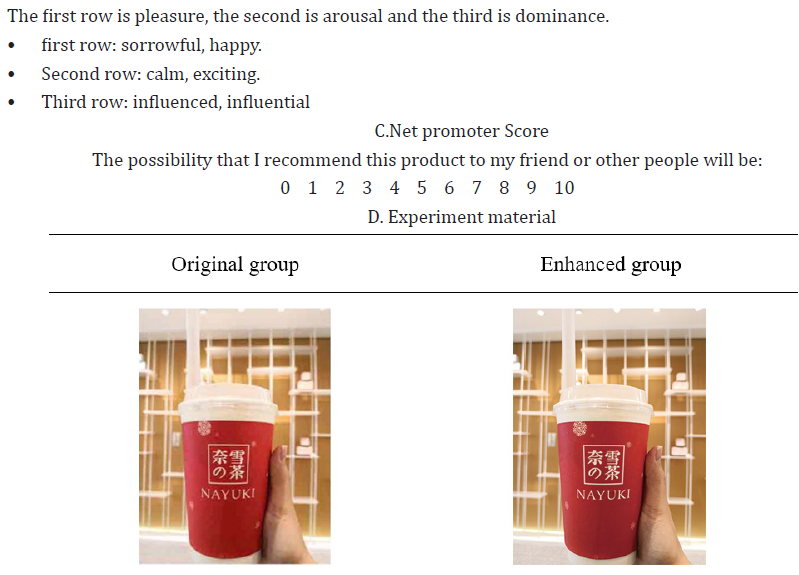
Our study is a one (resolution: original image vs enhanced image) factor between-subject design. We manipulate the resolution by increasing the pixel to a remarkable degree. The authors invite one marketing professor, who is very experienced in this major, and three senior social media users, spending almost two hours on social media each day for several years, to guarantee the quality of image converting process. Participants are asked to imagine they are surfing the social network application and watch the user-generated photographs. After viewing the stimulus image, the subjects are required to fill in the questionnaire, which is composed of the product description words, SAE, NPS and other scales (Table 1). The image is shown randomized, and it is not labeled as the original or enhanced one. The presentation time is ten seconds. We set the goods category as the beverage, for the subjects are accustomed to this everyday commodity (Table 2 & 3).

Result

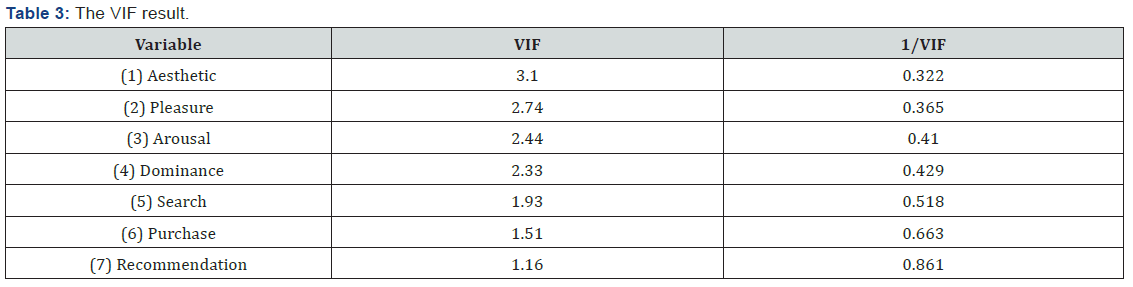
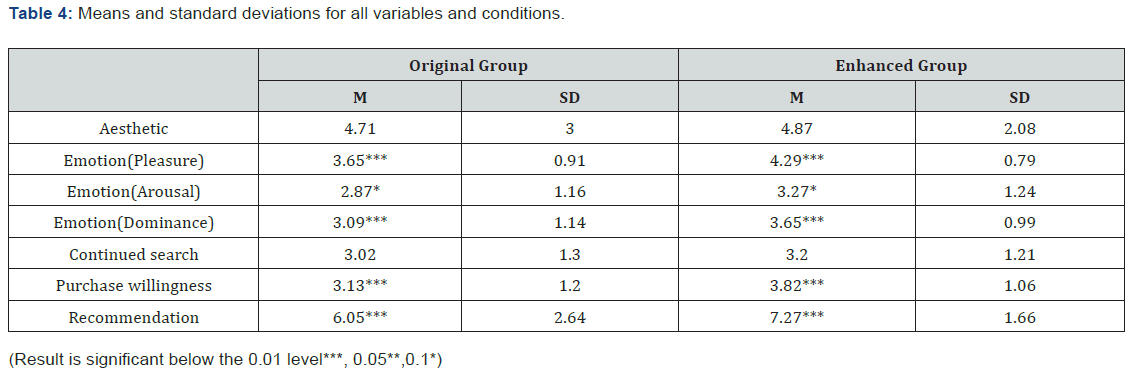
To test the multicollinearity issue, we conduct the VIF analysis. The outcomes are all below 10. Therefore it is not a major problem. All the correlation data can be seen in table 2. Table 4 reveals the preliminary results of our study. By using independent sample t-test, we can find the participants who view the enhanced image have higher scores than those who see the original ones on emotional pleasure (t=3.93, p<0.001), emotion dominance (t=2.77,p=.007),purchase willingness (t=3.20,p=0.002) and recommendation (t=2.90, p=0.005). Besides, in terms of the aesthetic adjective matrix, two different groups show almost the same pattern (Figure 1).

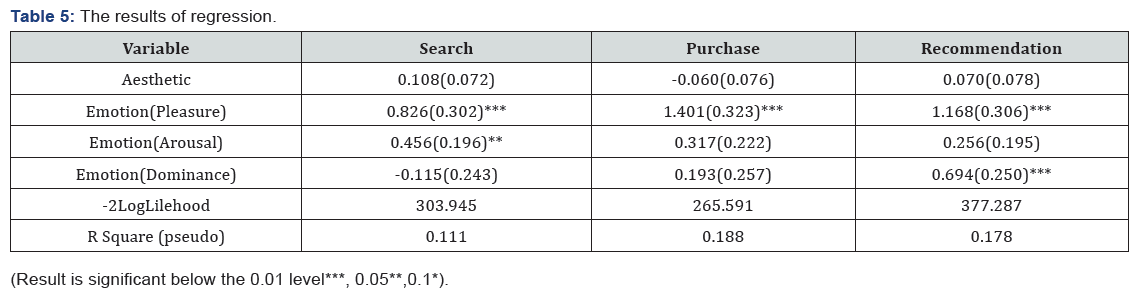
To further investigate the contribution of different variables to behavior dimension, we also carry out ordinal regression analysis. Moreover, we select the ordinal regression model to measure the relationship between the behavior dimension and other variables, which can be demonstrated by the equation coefficients. The reason is that the dependent variables are categorical and ordinal variables. From the results, we can obtain the information that purchase and recommendation has a significant connection with pleasure in all groups. Besides, dominance has a positive relationship with recommendation behavior (Table 4 & 5, Figure 1).

Discussion

From the findings of the results section, we can conclude that the user experience increases as a result of the elevated image pixel quality generally. The higher the resolution is, the greater the user emotion pleasure, dominance, purchase willingness and recommendation experience will be. However, in terms of the aesthetic word number, emotion arousal, and continued search, there are no (or marginal) significant differences between two groups. The aesthetic word numbers tend to have low correlation with image quality, indicating that subjects’ perception towards this product is similar. Also from figure 1, we identify the similar adjective trend, both featuring the warm, aromatic, popular, which is the common description word for the beverage.

One point added to our conclusion is that through the regression model, we can know the pleasure factor contribute significantly to search, purchase and recommendation behavior. Moreover, the recommendation willingness increases with the rise of dominance, showing that affective plays a critical role in the formation of recommendation behavior, which can be a vital heuristic finding for product-related marketing.

Conclusion

Despite the fact the user-generated content has increased at an unprecedented speed, the image quality-related research under the social media context is still scarce. The image quality’s effect on the user experience is not thoroughly studied. To bridge this knowledge gap, this paper put forward the image quality (resolution) and user experience sub-dimensions (aesthetic, emotion, continued search, purchase and recommendation behavior). Besides, we conduct scenario-based study to investigate the influence of user-generated image quality on the user experience. The findings can provide a new insight for the academics and practitioners to understand the user-generated image quality’s influence on consumers perceived product and brand (Appendix).

Click here: https://juniperpublishers.com/index.php  

Monday, October 25, 2021

Agriculture and Environment Sustainability through Interaction of Microbiology with Soil Chemical Nature - Juniper Publishers

Agricultural Research & Technology: Open Access Journal - Juniper Publishers

Abstract

Soil is an unsolidified entity in which microbes are diverse, having mutualistic, antagonistic, synergistic relationships with plants and provides a base for living. The synthetic inputs (fertilizers and pesticides) and anthropogenic practices aimed at agricultural production dramatically enhance the soil chemical reactions. Inorganic chemical reactions that occur in soil pollute the environment after entering into four major environmental compartments including water and air. Presence of radioactive gases in the atmosphere may cause significant changes in the earth's environment, including changes in precipitation and temperature along with increase in the regional and global runoff that causes ecosystem degradation and human health related issues through acid rain. It is a burning topic in today’s context since it is vital to conserve the ecosystem in a sustainable manner and as a result it decides whether global food production is increasing or decreasing. Management of these chemical processes by different methods is essential which could be a viable choice for the reduction of environmental emissions and improving growth and yield attributes of agricultural commodities. Among all the strategies, microbial adaptation in synthesizing reactions is crucial as it reduces ecosystem effects and increases the global food production for the growing population.

Keywords: Soil; Environment; Synthetic inputs; Microbiology; Sustainability

Introduction

Soil provides a basis for agricultural crop production and microbial functioning in the ecosystem has a crucial role to play in improving soil health for healthy crop growth because microorganisms function as a complex link among soil-plant continuum. Microorganisms in soil are a dynamic component of the soil system and they perform vast beneficial functions in the system. Microbes aid in different biological transformations such as organic matter decomposition and Biological Nitrogen Fixation (BNF). Moreover, they enhance the availability of nutrients to the plants [1]. Almost all the things that are present in universe are dependent on the soil as it provides basic food, fiber, shelter to humans and to other living organisms for their survival. It is the end product of minerals, gases, organic matter and liquids which is the habitation for mankind and animals [2]. They interact with the plants in many different forms including synergetic, antagonistic and mutualistic relationship depending upon the plant to microorganism and microorganism to plant contact. Therefore, the microbes develop the plant community structure by specific interaction [3, 4, 5] and support growth of flora in many ways that leads it to take part in different processes. The nature of soil is heterogeneous, and its study is very complex. For instance, soil chemical, biological and physical studies are important for enhancing increase in production from limited resources [6] and thus, have various direct and indirect consequences on different ecosystems in which soil biodiversity, resilience and quality in extreme conditions are very sensitive [7]. Synthetic inputs such as inorganic fertilizers, insecticides and other agrochemicals are being used to meet the needs of global food scarcity. These agricultural inputs not only disturb the soil quality, health and microbial communities but also affect the other systems directly and indirectly. The presence of carbon dioxide (CO2), methane (CH4), nitrous oxide (N2O) to the surroundings, for example it affects the entire community, which is generated as a result of decaying, denitrification and methanogenesis. The production of agrochemicals requires energy for manufacturing. In any energy system, it is extensively accredited, having an environmental impact with its consequences. Over last few decades, energy-related environmental concerns have evolved from regional local or primarily issues to universal and international situations of major energy-related environmental issues [8]. Environmental issues are especially evident in developing or recently mechanized republics, where energy demands progress charges are usually too high and ecological administration is not still entirely incorporated into a frame [9]. Anthropogenic or human induced activities are very well known for having a remarkable influence on the surroundings or environment. It significantly contributes to land use and its composition is nearly about total of 38 percent of global portion of soil, food sector that is considered as the most important sector among all other production sectors [10], use of freshwater approximately about 70 percent of all human use [11]. Anthropogenic activities have an impact on marine life/ecosystem as well [12], causing environmental problems. Air is primarily polluted by four gases, namely sulphur dioxide (SO2), nitrogen oxides (NOx: NO, NO2), carbon dioxide (CO2), and ozone (O3), in accordance with their historical significance, concentrations, and its impact on animals, plants and humans. Sulfur dioxide and nitric oxide are the primary contributors [13]. Hydrogen (H) along with carbon (C) in various ratios combines to form fossil fuel, which can be liquid, gaseous or even solid. Carbon and hydrogen both tend to react with oxygen during the combustion process producing CO2 and water (H2O). When the combustion process is incomplete or other substances (such as sulphur, nitrogen, organic compounds and heavy metals) are present in the fuel, other compounds are also formed chemically instead of CO2 and H2O. If the concentration of these chemical composites in the air goes beyond a certain threshold, it will undoubtedly endanger human life and the environment [14]. When there is much more tax on fertilizer it leads to application of manures at a great level. Manures are used as an alternate for expensive fertilizers but as compare to fertilizers they results in slow release of nutrients for plant and crop growth and yield attributes. The farming communities discourage the use of manure due to its slow reaction and benefit [15]. Cultivation based on synthetically produced fertilizers is more intensive as it entirely declines the whole system of the soil and quality of the environment. Organic amendments basically improve soil physical, chemical and biological properties in the tropical region [16]. There are a large number of literatures related to the management of environment to make the agricultural farming system sustainable. Agricultural productivity is mainly determined by the environment as the agricultural systems are chiefly dependent on environmental sustainability. Climate change has a significant impact on agricultural fabrication, which is improved by greenhouse gas discharges; conversely, high rates of fertilizer application to soils are a key source of emissions [17].

Impacts of Agricultural Inputs on Soil Chemical Behavior

Inputs that are used for production of crops externally like chemical fertilizers, organic amendments, microbe inoculants and synthetic pesticides for getting the higher yield and economic return, but some of these have adverse impacts on the soil and these are usually neglected. The objective of this study is to summarize how these inputs (used for production of crops) influence the condition of soil (physical, chemical and biological). Chemical fertilizers have little effect on soil physical properties, while organic additions improve soil biological properties by increasing system productivity, crop residue return and organic matter in soil. Some indirect effects like use of nitrogen fertilizer cause acidification in soil that affects the health of soil adversely, for example, total number, action and diversity of soil organisms. Organic amendments are considered as the main C reservoir for organisms in soil and secondary source of C for the growth of plants and plant residue return. These organic amendments are manures, different composts, bio-solids and some other humic substances. Influence of non-target application of microbial inoculants is small. Herbicides have shown effects on the health of topsoil considerably, amongst all other kind of pesticides. Negative impacts of other pesticides like insecticide and the fungicides are most common and so they are applied under strict regulations [18].

According to inhabitants around the globe are expected to increase about 9-10 billion in near future (2050), so production of food is the prime goal of nearly all countries over the world. The rate of population growth in developing countries is approximately 3 percent per year, and food demand is increasing at a rate of 3.8 percent per year. But production of food is increasing at very fast speed i.e. 1.2 percent per annum. Whereas the production of food across the world needs to be increased by 70 percent in order to fulfill the food requirements of the growing global population [19]. The production of food is linked to many challenges, among which the most important is the area for the farming of food crops which is limited [20]. The soil fertility of most of developing countries has totally been deteriorated [21], infestations by pest are also at alarm [22]. Farming systems are bearing a huge pressure because of ever increasing world food demand along with certain additional provocations to meet the need of food which differ from different assets i.e. land and water etc. [23]. To meet the global food demand, production of crops must be increased and for this process some inputs of crop production in a proper recommendation like pesticides and chemical fertilizers along which organics must be used in a balanced rate without hindering any system [24].

Environment Contamination

When nitrogen is lost from soil or plant surface, it not only decreases the production of crops and negatively impacts on potency of soils but also has a huge impact on its surrounding. When nitrogen ammonia form is emitted into air it contributes with water and forms acid rain and is considered as an in-direct source of Greenhouse Gas (GHG) release in nitrous oxide form. When nitrous oxide is emitted into the air, it causes ozone depletion that contributes significantly towards climate change. The soil cation exchange reaction electrostatically attracts ammonium ions to the surface of clay and organic matter. As ammonium is deposited in soil through this mechanism, the concentration of ammonium in soil solution substantially declines. A soil with higher cation exchange capacity (CEC- clayey soils) have lower potential to volatilize ammonia as compare to soil with lower CEC like sandy soils [25]. Soil with calcareous environment has higher soil pH that can easily lead to loss in huge amounts of ammonia gas, whereas a significant quantity of ammonia gas from soils with neutral or acidic pH is lost when animal urine or urea is applied [26,27]. When the nitrification process begins, the soil pH decreases significantly, resulting in lower rates of volatilization. Dropping level of phosphorus (P) from agricultural lands may raise the productiveness of natural waters which may accelerate the development of algae and other marine plant species. P is typically the nutrient that regulates the eutrophication process in renewed waters. The United States Environmental Protection Agency (USEPA) has recommended a governing limit for eutrophication of 0.05 ppm for total P in streams that arrive into the lakes and 0.1 ppm for total P in flowing streams. P is removed from the soil through the following processes:

a. runoff and erosion;

b. crop uptake and removal; and

c. leaching. From the field and soil harvested crops P removal takes place. Concentrations of P in plant cells usually vary between 0.1 to 0.5 percent on a basis of dry biomass and maximum plant take up and consumption of about 20 and 90 pounds of P2O5 every year. Moreover, the inorganic sewage sludge phase is predominantly composed of P2O5 and SiO2 oxides. The extra oxides Fe2O3, CaO, Al2O3, K2O and Na2O are present in lesser amounts depending on the sludge origin. The high behavior of temperature, the liquid or solid transitions of this inorganic combination and the phosphorus volatilization are serious operating restrictions, but they remain poorly identified. The P2O5 present in the biomass affects the liquid manufacturing of inorganic phase and in the inorganic formation of vapors disturbing the wear of lining refractory, the degradation of metallic assemblies and the high temperature of the gasification reactor. During thermo-chemical conversion, thermodynamic controls at altered temperatures help us fix the biomass behavior [28]. Longer greenhouse gas emission results in higher concentrations in the atmosphere. Concentrations of greenhouse gas are measured in parts per million (ppm), parts per billion (ppb), and even Parts Per Trillion (ppt). One ppm is the same as one drop of diluted water into about 13 gallons of liquid (approximately the fuel tank of a dense car). CO2 is emitted through soil respiration from the land, which comprises three biological procedures, i.e., microbial respiration, faunal respiration and root respiration mainly on the soil surface [29]. Micro-flora within the soil adds 99 percent of the CO2 rising from the decay of organic matter [30] as compared to the contribution of soil fauna which is much lower [31]. However, root respiration accounts for half of total respiration. Sewage sludge incineration generates a number of secondary pollutants, including heavy metals volatilization, metal-chemical complexes volatilization and nitrogen oxides. Between these pollutants, release of heavy metal cannot be efficiently declined by drain gas cleaning devices [32].

Effects of Agricultural Management on Soil Organic Matter (SOM)

The most frequently defined attribute is Soil Organic Carbon (SOC) and is chosen as the utmost significant soil quality indicator and agricultural sustainability. In this manuscript, we precised in what way crop alternation, cultivation, tillage and residue managing, monoculture and fertilization influence on the features of soil, C transformation and SOM. The outcomes ratify that SOM is a sink for sequestration of C and also a source of C. Tillage and cultivation may decrease SOC content and results in the degradation of soil. Cultivation has a significant impact on C and N distribution, as well as the rates of Organic Matter (OM) decomposition and N mineralization. Crop rotation can help to maintain, improve the quality and amount of OM in the soil, as well as improve the physical and chemical properties of the soil. Proper application of fertilizers in conjunction with Farmyard Manure (FYM) can improve soil nutrients and SOC content. Crop residue or manure only cannot be sufficient to maintain SOC levels [33,34]. Tillage is also used to ventilate and blend the soil, as well as to incorporate crop cover, crop residue, manure, pesticides, and fertilizers into the rhizosphere [35]. Tillage management in soil can influence soil respiration controlling factors such as substrate accessibility, soil temperature, water content, oxidation-reduction potential, pH, number and type of microorganisms, and soil ecology [36, 37]. Second, crop rotation may have a significant impact on soil health due to the development of soil environmental processes and connections over time. These include increasing soil structural stability and nutrient use efficiency, increasing crop water use efficiency and SOM levels, providing better weed and disease control and disrupting insect life cycles [38, 39]. Crop rotation can also increase yields and nitrogen availability when nitrogen-fixing legumes are included [40,41]. Additionally, in crop production, fertilization is one of the most important practices for improving soil nutrient availability. According to [42], fertilizer uses significantly higher concentrations of P and K in the soil and the concentrations of SOC and N, P, K were higher in the plough layer than in the subsoil. As proper plant growth and improvement are inextricably linked to nutrient sources. Several nutrients affect biochemical processes in the plant's body and play an important role in soil fertility making it more useful for plant growth [43].

Role of Microbes in Environmental Remediation

Microorganisms have extended the ecosystem where they reside in, through acquiring enzymes that enable them to metabolize various anthropogenic manufacturing compounds (xenobiotics) [44]. The usage of microbes or microbial mechanisms for inactivating and deteriorating the ecological pollutants is known as bioremediation. Over many years, microbes have been used for regular treatment and alteration of waste materials [45]. Microorganisms that degrade the wastelands that enter the treatment plan rely on the metabolic processes of fixed-film and activated sludge treatment systems. Many such waste management plants are specialized with designated and accustomed microbial species that are frequently used to tackle industrial wastewater. Microorganisms can even be catalyzed by a variety of metal transforms which can help with waste management. Oxidation, reduction, and alkylation interactions are the examples of these transformations. Fungi, bacteria, algae Soetan 113, and protozoa may store manganese and ferrous ions during oxidation processes. Geobacter metallireducens is a bacterium that eliminates uranium, a radioactive waste, from mined groundwater sources and contaminated water. For oil extraction, prevention of pollution, mineral leaching and restoration, microorganisms may now be genetically modified using rDNA techniques. Microbes may also be genetically modified to manufacture compounds effective in enhanced oil recovery mostly in petrochemical industries [46]. Oil spill cleanup may be delegated to genetically modified bacteria in the future [47]. Microbes with improved leaching capacity may be engineered for use in the mining industry. Metals may bind to the microorganism surfaces and be concentrated internally.

Role of Microbes in Agricultural Science

Agricultural land is an essential component for food production, shelter and fiber for mankind [48]. In the economic growth of several developing countries farming plays a dynamic role and also provides self-employment opportunities [49]. Many plant physiologists believe that soil is the primary source of plant nutrients; however, good soil quality is required for agricultural production, and quality is improved by soil bacteria, fungi, and protists [50]. The microscopic biosphere is the major pool of biodiversity on earth [51]. In other words, microorganisms can be considered as soil machinery in recycling of the nutrients [52]. The quality of soil and its conservation can be improved by soil microbes within the soil system. Soil microorganisms will allow the breakdown of OM such as animal and plant remains, as well as the formation of soil structure and the rate of biogeochemical cycling [53]. Improvement in soil quality, plant nutrition and maintenance of plant health is a fundamental function of soil microorganisms in agriculture [54]. Generally, people think that microbes are disease-causing agents. The decomposition of organic matter will be done through the help of these microorganisms in the soil [55].

Interactions between Plant and Soil Microbes along with Stressed Agriculture

According to [23] plant-soil microbe relationship affects crop growth and competitive capacity which is critical for the structure of terrestrial ecosystems. Abiotic factors such as nutrient concentrations or environmental stress have been shown in several studies that change the course and extent between the interactions of plant and microbes. Considering this frame of reference, it's likely that the consequences of changing climate, such as altering the availability of water might alter the consequence of plant-microbe interaction that could influence plant species interaction. They used a managed greenhouse experiment on 3 species of plants: Plantago lanceolata, Schizachyrium scoparium and Rudbeckia hirta, to see whether the availability of water regulated the influence of soil microbes on pair-wise plant interactions throughout the Texas coastal prairie. Plants were grownup under living or germ-free soil treatments including high, medium, and least availability of water to see whether there was an association amongst water availability and soil organisms. They discovered that the existence of soil microbes enhanced intra-specific competitiveness in comparison to inter-specific competition, and therefore this impact was dependent on water availability. With the presence of microorganisms, the intensity of intraspecific competition rose as the availability of water lowered. Their findings indicate that the soil microbial communities, particularly in drier environment can perform a key function in stabilizing co-occurrence by raising conspecific negative density dependency. Changing microbial composition of the land community or the plant-microbial interactions can results in alteration in the structure of the plant community. Legate effects of drought and rainfall have been observed to reduce native biomass in soil microbial species, but have no impact on non-native biomass. While availability of water affects interaction between plant-plant and plant-soil, limited studies explored if the availability of water controls soil microbe effects on plant collaborations. If water deficit reduces the diversity of microorganisms in soil, so they can be estimated to perform poorer in modulating plant interactions than wet environments under dry conditions. Conversely, as the impact of soil microorganisms on plant output increases with dry conditions, then soil microorganisms might also perform a better role in facilitating plant interaction under desiccated conditions. This might be crucial to recognize how specific groups of soil microorganisms react to accessibility of water to improve our power to foresee how plant-microbial contacts alters with the alteration in environment [56]. According to [57], the estimated increase in heat and reduced rate of precipitation due to alteration in climate and undiminished human activities supplement to agricultural industry complications and uncertainties. The world is constantly investigating the effects in terms of food safety, the soil nutrient imbalances, poorly managed use of pesticides, high temperatures, floods, or drought, soil salinity and heavy metal pollutants. They explain the importance of soil-plant-microbe associations with organic manure for all the solutions of troubled problems in agriculture. Plant-associated advantageous microorganisms are believed to enhance plant growth and increase resistance mechanisms of plants to biotic (diseases) and abiotic stresses like (salinity, drought, waste etc.). The Plant Growth Promoting Rhizobacteria (PGPR) and mycorrhizae are crucial elements of the microbial communities and have the vital function in maintaining plant fitness and soil health in extreme circumstances. Addition of organic manures to strained soil together with appropriate bacterial strains may further improve plant-microbe contact and enhance agricultural crop productivity. A mixture of plant, stress resistant microbe and organic modification is the tripartite association that provides hospitable environmental conditions for the propagation of advantageous rhizospheric microorganisms which in turn improve the growth output of plants in a disrupted agro-ecosystem. The agricultural soil-used patterns, with plant microbe interactions properly and using appropriate advantageous microbial agents is perhaps one of the most successful management technique in the agricultural land concerns [58,59].

Conclusion

Soil is a necessary basic need towards agricultural crop production and microbe’s activity in the system has a unique and essential role to play as in improving soil health in a sustainable manner for healthy crop growth due its complex link among the soil-plant continuum. Microbes have an intrinsic role to play in different biological transformations such as organic matter decomposition, biological nitrogen fixation and enhancement of the availability of nutrients to the plants for its growth and development. Several inputs that are used for crop production purposes like chemical fertilizers, organic amendments, microbe inoculants and synthetic pesticides in order to attain the required yield and economic return all have adverse effect on the soil and these are usually neglected by most of the countries. Synthetic fertilizers have little effect on soil physical properties whereas organics improve soil biological properties by increasing system productivity, crop residue return and organic matter in soil. The use of nitrogen fertilizer leads to acidification in soil that affects the health of soil. Soil organic carbon is regarded as the utmost significant soil quality indicator and agricultural sustainability. Soil organic matter is a sink for the sequestration of carbon and also a source of carbon. The quality of soil and its conservation can be improved by soil microbes within the soil system. Soil microorganisms allow the decomposition of organics such as animal and plant remains, as well as the formation of soil structure, supply plant nutrients and the control the rate of biogeochemical cycles. Improving soil health, plant nutrition and maintenance of plant health is a fundamental function of that is controlled by the soil microorganisms in the field of agriculture. Plant-soil microbe relationship affects crop growth and competitive capacity which is critical for the structure of terrestrial ecosystems. Abiotic factors change the course and extent between interaction of plant and microbial biomass. It is necessary to understand the dynamics between microbes and its environment especially its processes in relation to agriculture and soil health.

Click here: https://juniperpublishers.com/index.php   


How Does the Multi-Disciplinary Team Impact Chronic Kidney Disease Management? - Juniper Publishers

  Urology & Nephrology - Juniper Publishers Abstract Chronic kidney disease (CKD) is a condition where a gradual kidney function loss le...