Tuesday, January 9, 2024

Hashimoto’s Thyroiditis: A Comprehensive Review of Pathogenesis, Clinical Manifestations, and Management Strategies - Juniper Publishers

 Annals of Reviews and Research - Juniper Publishers

Abstract

Hashimoto’s thyroiditis, or chronic lymphocytic thyroiditis, an autoimmune disorder targeting the thyroid gland, presents a global health concern. This review compiles current knowledge, advancements in research findings, and emerging trends related to this condition’s etiopathogenesis, diagnosis, management, and complications. The intricate interplay of genetic predisposition, environmental triggers, and immunological mechanisms underscores the development of Hashimoto’s thyroiditis. Novel insights into the genetic landscape and immune dysregulation pathways contribute to a deeper understanding of disease susceptibility and progression. Diagnostic advancements, including hormonal estimation, serological tests, ultrasound, and molecular imaging modalities, are pivotal in early detection and prognosis.

Furthermore, the review delineates the heterogeneous clinical manifestations and challenges in managing the diverse symptomatology, emphasizing the necessity for personalized and tailored therapeutic approaches. The spectrum of treatment modalities spans conventional hormone replacement therapy to evolving interventions targeting immune modulation and personalized medicine. Lifestyle modifications and nutritional interventions also merit attention in optimizing patient outcomes. This review aims to furnish a comprehensive resource for clinicians, researchers, and healthcare stakeholders, fostering a nuanced understanding of Hashimoto’s thyroiditis. This review seeks to inspire further investigations and innovative approaches towards improving patient care and outcomes by elucidating current trends and potential future directions.

Keywords: Hashimoto’s Thyroiditis; Autoimmune Thyroiditis; Autoimmune Disease; Hypothyroidism; Myxedema

Abbreviations: HT - Hashimoto’s Thyroiditis; TSH - Thyroid-Stimulating Hormone; TPO - Thyroid Peroxidase; TG – Thyroglobulin; TPOAb - Anti-Thyroid Peroxidase Antibodies; TgAb - Anti-Thyroglobulin Antibodies; SN-CAT - Serum Antibody-Negative Chronic Autoimmune Thyroiditis; HLA-DR - Human Leukocyte Antigen - DR isotype; CTLA-4 - Cytotoxic T-Lymphocyte-Associated Protein 4; PTPN22 - Protein Tyrosine Phosphatase Non-Receptor Type 22; IU - International Units; CSF - Cerebrospinal Fluid; PTC - Papillary Thyroid Carcinoma; PTL - Primary Thyroid Lymphoma; MALT - Mucosa-Associated Lymphoid Tissue

Introduction

Hashimoto’s thyroiditis, also called chronic lymphocytic thyroiditis, is named after Japanese physician Dr. Hakaru Hashimoto, who first described it in 1912. It is currently considered the most common autoimmune disease affecting the thyroid gland [1]. This chronic condition arises from an autoimmune assault on the thyroid, leading to infiltration by inflammatory cells and subsequent destruction of the thyroid follicles [2]. This condition is characterized by the production of autoantibodies targeting thyroid-specific proteins such as thyroglobulin and thyroid peroxidase [2]. Although a brief hyperthyroid phase may precede Hashimoto’s thyroiditis, it most commonly presents as hypothyroidism, causing a range of symptoms, including fatigue, weight gain, cold intolerance, constipation, and depression [2]. Inadequately treated or long-standing disease can result in a myxedema coma [3].

The prevalence of this condition varies across the world, affecting women at a significantly higher rate than men, with peak incidence observed during middle age [4]. Recent epidemiological studies have suggested that genetic predisposition contributes the most to this disease, followed by environmental triggers and hormonal influences [4]. Despite advancements in our understanding of etiopathogenesis and the advent of extensive diagnostic modalities, Hashimoto’s thyroiditis poses a challenge due to its diverse clinical presentations, its associations and complications, and the necessity for personalized therapeutic approaches. This literature review aims to synthesize current knowledge and highlight the latest research findings, diagnostic modalities, treatment options, and emerging therapeutic strategies in managing Hashimoto’s thyroiditis.

Etiology & Pathogenesis

The pathogenesis of HT involves a combination of genetic susceptibility and environmental triggers. Studies in twins suggest genetics plays an important role, with disease concordance rates of 55% in monozygotic twins versus 0% in dizygotic twins [5]. The implicated genes are still being elucidated but include immune regulatory genes such as HLA-DR, CTLA-4, and PTPN22 [6]. On top of the genetic predisposition, environmental factors such as infection, stress, pregnancy, dietary iodine excess or deficiencies, toxins, and medications can trigger abnormal immune responses against thyroid proteins [7]. This activates both cell-mediated (Th1) and humoral (Th2) immunity against TG, TPO, and the thyroid-stimulating hormone (TSH) receptor [8]. Key steps include loss of self-tolerance, activation of thyroid-specific T and B cells, and proliferation of autoreactive lymphocytes that infiltrate the thyroid gland [9]. The sustained autoimmune attack leads to apoptosis of thyroid follicular cells, impaired hormone synthesis, and eventual thyroid destruction [10].

Epidemiology & Risk Factors

Hashimoto’s thyroiditis is estimated to affect up to 5% of the general population, with a female-to-male ratio ranging from 4:1 to 10:1 [11]. The disease most commonly presents between ages 30-50 but can be seen at any age [12]. Twin studies estimate the heritability of Hashimoto’s to be around 75% based on concordance data [13]. Aside from genetics, hypothesized risk factors include excessive iodine intake, vitamin D deficiency, gut dysbiosis, stress, and certain toxins/medications [14].

Studies have demonstrated an association between Hashimoto’s thyroiditis and other autoimmune conditions; the most commonly seen in adults are arthropathies and connective tissue diseases, while type 1 diabetes and celiac disease were seen in children/ adolescents. Skin diseases were represented with similar prevalence in both groups, vitiligo being the most common [15]. An ethnic preponderance has been established, with the white race characterized by a higher incidence than black or Asian and Pacific Islanders being rarely affected [16]. Within the United States, higher rates were observed in some areas like the Midwestern United States compared to coastal areas [17]. Further research is needed to clarify non-genetic predisposing factors.

Clinical Manifestations

The clinical manifestations of Hashimoto Thyroiditis vary due to the nature of the disease. Initially, patients may experience hyperthyroid symptoms due to the destruction of the thyroid cells, leading to the release of thyroid hormone into the bloodstream. Eventually, patients exhibit symptoms of hypothyroidism when enough destruction has occurred to the thyroid gland. This presentation is rather insidious [18]. Skin findings due to hypothyroidism can include myxedema. This is uncommon and only present in severe cases. More commonly, the skin can be somewhat scaly and dry. Hair growth is impeded and can become coarse or brittle. The patients can also present with fatigue, exertional dyspnea, and exercise intolerance due to limited pulmonary and cardiac reserve. In addition, there is muscle weakness or decreased strength. Other symptoms can include cold intolerance, weight gain, constipation, decreased sweating, depression, and menorrhagia [18]. As well there can be symptoms due to a goiter, such as voice changes, dysphagia, and neck pain [19]. Findings on clinical examination can include cold/dry skin, non-pitting edema, brittle nails, increased blood pressure, bradycardia, and delayed relaxation of tendon reflexes [18].

Diagnosis and Laboratory Evaluation

Diagnosing Hashimoto’s thyroiditis (HT) is a comprehensive approach that combines clinical examination, laboratory testing, and imaging studies [20]; due to HT being often asymptomatic at baseline, extensive laboratory examination is inevitable for early diagnosis and opportune intervention. Confirmation of the immunological nature of the disease is based on the detection of thyroid autoantibodies, particularly anti-thyroid peroxidase (TPOAb), which are the most important feature because they are present in about 95% of patients and anti-thyroglobulin (TgAb) that can be found in about 60-80% of cases [21,22]. A TPOAb level above 200 UI per mL strongly suggests HT [23]. Some studies define TgAb as the expression of an early immune response, whereas TPOAb may result from an immune escalation, given that they are a late immune response [22]. Ultrasounds and additional imaging modalities can enhance the scope of laboratory findings, unveiling pivotal features such as decreased echogenicity, heterogeneity hypervascularity, and presence of hypoechoic micronodules with an echogenic rim [22]; also, these procedures can be helpful in the diagnostic of serum antibody-negative chronic autoimmune thyroiditis (SN-CAT) whose prevalence is estimated at 5% of cases [24]. In recent years, computer-aided ultrasonography could distinguish HT from normal thyroids with an accuracy of 80%, sensitivity of 76%, specificity of 84%, and positive predictive value of 83.3% [23]. The cytological examination is performed when a thyroid nodule is present with suspicion of malignant transformation; the key feature to distinguish HT and thyroid tumors is the presence of lymphocytes in contact with thyroid cells [22].

Prevention & Treatment Strategies

Autoimmune hypothyroidism prevention is a topic that receives far too little attention worldwide from both medical professionals and policymakers [25]. It involves a wide variety of public health and medical factors, in which preventing the emergence of risk factors, postponing the onset of symptoms, and reducing the severity of the disease are the main goals of primordial and primary preventions of autoimmune thyroid disorders. A significant contribution from environmental factors is strongly supported by incomplete concordance observed in monozygotic twins or other siblings of people with autoimmune thyroid disease [25]. According to a study by Rosaria et al., consuming fewer animal products may protect against thyroid autoimmunity. Also, it may benefit redox balance and other illnesses linked to oxidative stress, which is a significant risk factor leading to the disease [26].

Furthermore, while the characteristics of a Mediterranean diet were protective, eating meat was linked in a logistic regression analysis to an increased odds ratio of developing thyroid autoimmunity [26]. Other studies have also shown that children raised in higher socioeconomic circumstances had a higher prevalence of thyroid autoimmunity; these findings are consistent with the hygiene theory, which postulates that early virus exposure may divert the immune system from Th2 responses, such as allergy and autoimmunity [27]. Additionally, Brazilian research has demonstrated that compared to controls, those who live near a petrochemical complex have higher rates of thyroid autoantibodies and Hashimoto’s thyroiditis [28]. Subsequent studies also demonstrated clearly that smoking cessation is linked to the presence of thyroglobulin antibody and, to a lesser degree, thyroid peroxidase autoantibody, as the risk of being diagnosed with overt autoimmune hypothyroidism is more than six times higher in the first two years after quitting smoking [29,30]. Drinking in moderation was also associated with a lower risk of developing overt autoimmune hypothyroidism regardless of gender or type of alcohol consumed, as demonstrated in a multivariate regression model [31]. More research is required to assess vitamin D’s therapeutic and preventive benefits in autoimmune thyroid disease. But a study done in Egypt proved a significant correlation as it concluded that in comparison to 20.0% of healthy controls, 76.7% of those with Hashimoto thyroiditis lacked vitamin D. Additionally, the vitamin D deficiency in the Hashimoto thyroiditis group was negatively correlated with antithyroglobulin and antithyroid peroxidase [32].

Currently, the treatment for hypothyroidism is thyroid hormone replacement. The drug of choice is levothyroxine sodium, taken orally. It is important to note that this drug should not be taken with iron or calcium supplements, aluminum hydroxide, and proton pump inhibitors, as it prevents absorption [33]. The standard dosing is 1.6-1.8 mcg/kg per day, commenced on patients less than 50 years of age, those older, or with cardiovascular diseases; it is recommended to start on a lower dose; typically, the starting dose of 25 mcg/day is reevaluated in six to eight weeks. In pregnancy, it is recommended to increase the dose by 30%, and in all patients who have short bowel syndrome, it is recommended to maintain a euthyroid state [33]. Some evidence suggests that selenium can be used as supplementation with adjunctive therapy in treating Hasimoto’s thyroiditis. A 3-month meta-analysis showed that supplementation was associated with a significant decrease in TPOab titers and that patients improved mood and overall well-being [6.10]. The four studies showed random effects weighted mean difference: −271.09, 95% confidence interval: −421.98 to −120.19, p < 10−4 [34].

Complications

There are several complications of Hashimoto’s thyroiditis, ranging from the acute presentation of myxedema coma to the insidious complications of papillary carcinoma of the thyroid and thyroid lymphoma. Myxedema coma or myxedema crisis is seen in long-standing undertreated or undiagnosed cases of Hashimoto’s thyroiditis [35]. Most cases of myxedema crisis are precipitated by a particular trigger that disrupts homeostatic mechanisms in hypothyroid patients. This trigger could be an infection, gastrointestinal bleeding, cardiac failure, surgical stress, burn injuries, traumatic injuries, hypoglycemia, hypothermia, or even drugs, such as beta-blockers, lithium, amiodarone, and diuretics [36]. The pathogenesis of myxedema coma can be explained by reduced intracellular levels of T3, which lead to suppression of thermogenesis and cause hypothermia. Hypothermia leads to a decrease in heart rate and cardiac output, resulting in cardiogenic shock. Activation of the renin-angiotensin-aldosterone system will lead to fluid retention and dilutional hyponatremia. Due to CNS depression, there is reduced sensitivity to hypoxia, hypercapnia, and subsequent respiratory failure. The presence of triggers will worsen the aforementioned pathophysiological mechanisms and lead to an acutely decompensated state with altered mentation known as myxedema coma [37]. A detailed history should be taken regarding the thyroid supplementation dose, medication adherence, thyroid surgery, radioactive iodine ablation, possible triggers, and concomitant drug intake [37]. The system-wise manifestations of myxedema coma are as follows:

1.1. Cardiovascular manifestations

The typical cardiovascular manifestations include shock, hypotension, arrhythmias, and heart blocks. Hypotension results from decreased cardiac output and myocardial contractility brought on by hypothermia and myxedema. Sinus bradycardia flattened T-waves, low voltage complexes, bundle branch blocks, and even complete heart blocks have been seen in myxedema coma [36,37]. Prolongation of the QT interval resulting in polymorphic ventricular tachycardia, which responds to thyroid supplementation, has been reported in severe hypothyroidism [37].

1.2. Neurological manifestations

The term myxedema coma is a misnomer. Usually, patients are present with lethargy, especially in the initial phase of the disease. There is a slow progression to a comatose state. The patient may also present with depression, psychosis, confusion, poor cognition, seizures, and, rarely, status epilepticus. Lumbar puncture, if done, may show increased opening pressure and raised CSF protein levels [36,37].

1.3. Gastrointestinal manifestations

Patients with myxedema coma can show symptoms of acute abdomen such as nausea, vomiting, abdominal pain, and loss of appetite. They may also show constipation, paralytic ileus, and toxic megacolon. Ascites have been reported in a few cases. Due to the increased risk of coagulopathy in myxedema, there can be gastrointestinal bleeding. Gastric atony caused by myxedema may reduce the absorption of oral medications [36,37].

1.4. Renal manifestations

The typical finding in myxedema coma is dilutional hyponatremia due to fluid retention by the kidneys under the effect of aldosterone and vasopressin. Urine sodium may be normal or elevated. Due to fluid retention, urine osmolarity is higher than plasma osmolarity. There may also be urine retention due to bladder atony [36,37].

1.5. Hematological manifestations

Normocytic normochromic anemia in myxedema crisis patients may result from reduced oxygen requirement and erythropoietin. Macrocytic anemia can be associated with pernicious anemia or low folate absorption [37]. A decrease in factors V, VII, VIII, IX, and X and an acquired von Willebrand syndrome type 1 enhance the risk of bleeding in patients with myxedema coma. Studies have demonstrated that T4 treatment can reverse acquired von Willebrand syndrome [36]. In coagulation studies, patients may show raised bleeding and clotting times, raised aPTT, low to normal factor VIII activity, and reduced platelet adhesion [37]. While patients with myxedema coma show coagulopathy, patients with mild hyperthyroidism usually show hypercoagulability [36].

1.6. Respiratory manifestations

Impaired hypoxic and hypercapnic ventilatory response, along with the resulting weakening of the diaphragmatic muscles, cause hypoventilation in myxedema coma. It appears that respiratory depression brought on by a reduced reaction to hypercapnia is the leading cause of coma in myxedema patients. Additionally, obstructive sleep apnea caused by enlargement of the vocal cords and tongue contributes to respiratory failure. A decrease in tidal volume due to ascites or pleural effusion is another problem that may be involved [36].

Another complication of Hashimoto’s thyroiditis is Hashimoto’s encephalopathy or steroid-resistant encephalopathy associated with autoimmune thyroiditis (SREAT). There are 4 major criteria to diagnose SREAT, which include an altered level of consciousness accompanied by cognitive changes, psychiatric symptoms that are new or worsening, raised serum TPO-Abs levels (≥0.5 U/mL) or other antithyroid antibodies, such as antithyroglobulin (TG) or antithyroid microsomal antibodies, and ruling out infections, toxic, metabolic, or carcinomatous etiologies that could contribute to symptoms [38]. It presents as an acute or subacute-onset encephalopathy with convulsions, myoclonus, tremor, and stroke-like episodes. Most patients, however, are euthyroid, unlike Hashimoto’s thyroiditis, and this condition responds to steroids [37].

Papillary thyroid carcinoma (PTC) is the most common type of cancer associated with Hashimoto’s thyroiditis. Although this association is well established in current literature, there is a lack of a causal relationship between the two. Both diseases show female preponderance, have a relatively high prevalence, and are seen in iodine-replete regions [39]. Most cases of Hashimoto’s show mutations of RET/PTC oncogenes, which is characteristic of PTC as well [40]. PTC, which arises in patients of Hashimoto’s, has a relatively favorable prognosis. The disease is more common in younger females, has smaller nodules, and has a lower rate of lymphatic spread. Thus, Hashimoto’s thyroiditis is a favorable prognostic factor in patients of PTC [39]. Hashimoto’s thyroiditis is a predisposing factor for primary thyroid lymphoma (PTL), with 80% of PTL cases being positive for Hashimoto’s [41]. The risk of PTL is increased by 40 to 80 times in patients of Hashimoto’s thyroiditis [42]. PTL is a non-Hodgkin B-cell lymphoma that affects about 0.6% of patients of Hashimoto’s thyroiditis [41]. The most prevalent histological types include diffuse large B-cell lymphoma followed by mucosa-associated lymphoid tissue (MALT) lymphoma [43].

Conclusion

Hashimoto’s thyroiditis (HT) is a complex autoimmune disorder with a multifaceted etiology involving genetic susceptibility and environmental triggers. While immune regulatory genes play a crucial role, factors like infection, stress, and dietary iodine levels contribute to abnormal immune responses targeting thyroid proteins. The disorder predominantly affects women, peaking during middle age. Diagnosis is challenging due to diverse clinical manifestations, necessitating a comprehensive approach with clinical, laboratory, and imaging assessments. Addressing environmental risk factors through dietary changes and lifestyle modifications is vital in prevention and treatment. Complications range from severe hypothyroidism-associated myxedema coma to an elevated risk of thyroid cancer and lymphoma. Levothyroxine sodium remains the primary treatment, but ongoing research explores promising adjunctive therapies, offering hope for more personalized interventions. Understanding HT requires a holistic perspective, and ongoing research aims to uncover additional insights for improved management.

To Know more about Annals of Reviews and Research
Click here: https://juniperpublishers.com/arr/index.php

To Know more about our Juniper Publishers
Click here: https://juniperpublishers.com/index.php


Thursday, December 14, 2023

Alternative Clinical Trial Designs and Methods for Assessing Treatment Effects Incorporating Real-World Data - Juniper Publishers

 Biostatistics and Biometrics - Juniper Publishers


Abstract

Traditional parallel group double-blind controlled trial design is the preferred approach to provide substantial evidence to support a new drug application. To elevate trial efficiency to a new level, the pharmaceutical industry and the health regulatory authorities continuously make great effort to propose the applications of innovative designs to new drug developments. These designs include the branching out group sequential design, a variety of adaptive designs and platform designs. Moreover, to overcome the challenge of patient recruitment and reduce trial sample size particularly in rare disease areas, Bayesian design and patient matching approach are often applied by incorporating historical or real-world data for statistical inference. In addition, for ethical or practical considerations, single arm or open label randomized controlled designs may also be utilized to evaluate treatment effects. In this paper, we discuss these designs and their applicability in different scenarios, in the context of proposing a new pseudo randomized controlled design where patients ‘randomized’ to control will be under standard of care and therefore may not need to consent for the interventional trial procedures and need only agreeing the use of their data which are closer to real-world data. This new design improves upon the single arm design, while featuring part of the open label randomized controlled designs; thus, inherit some of their key features as we summarize in the paper. Therefore, this new design may have its value in some trial settings through providing improved controlled Real-World Data..

Keywords: Bayesian Design; Historical Data Borrowing; Single Arm Design; Open Label Randomized Design; Real-World Evidence; Pseudo Randomized Controlled Design

Introduction

Currently, with the cost of developing a new medicine continuously increases, paradigm for clinical research has changed over time. New ideas for a variety of innovative clinical trial designs steadily emerge. Regulatory agencies also start to accept some of these designs [1] for the purpose of accelerating the availabilities of more innovative, safe and effective therapies to patients. Nonetheless, we should still open our mind to think of and embrace all other possible clinical trial designs. In this paper, we will discuss the key features of some these designs, motivating us to propose a new design: pseudo randomized controlled design, which could be considered as a design improving upon the traditional single arm design and open label randomized controlled design. The new design can also leverage Real-World Data while address selection biases and comparability concerns. With the layout of all the design options, it will be convenient for the practitioners to compare and evaluate the choices for a specific clinical study.

Randomized Double-Blind Controlled Trial Designs

The traditional randomized double-blind controlled trial design is considered as the ‘gold standard’ design. In this design, the sponsor first prepares a study protocol which details the objectives/hypotheses, the sample size, the study population (inclusion/exclusion criteria), the study duration, the number of visits, the treatments which include the control, the methods of endpoint measurements, the other study procedures and the approaches for data analysis (e.g., the model, the estimand and the way for handling missing data). Then the sponsor selects study centers from different countries based on the feasibility of timely recruiting patients and the regional sample size requirements from the regional health authorities [2-4]. Often after a run-in period, patients are randomized to treatment or control after consent and go through the study procedures specified in the protocol. Trial results are subsequently derived after data base lock. The common perception is that trial results with such a design are ‘unbiased’ for ‘certain measures, estimands and purposes.

Actually, trial results even from a trial with such a ‘gold standard’ design are still trial specific with the limitation for the particular population via the country or site selections and protocol inclusion/exclusion criteria. They are unbiased only within this population as well as the study procedures described in the protocol including perhaps the inclusion of the run-in qualification period. To have the evidence of a robust (beyond this narrow study population) treatment effect, the sponsors are often required to conduct two pivotal studies (or a large single trial with an extremely small p-value) at different study centers/countries. Both studies should confirm the treatment effect to demonstrate the reproducibility. Additional evidence could be provided through trials for additional related indications. Moreover, post-marketing bridging studies may be conducted in new countries to extrapolate the treatment effect to different/broader patient populations. Real-world or post-marketing observational studies may also be conducted to get real-world evidence in a real-world setting. Even though study centers are not randomly selected globally, results derived from a random effect model treating study center as a random effect with the incorporation of between-center variability should be more generalizable than those from a fixed effect model [5-7]. Nonetheless, we seldom see the application of the random effect model to multi-center trials or multi-regional trials. Subgroup analyses need also being performed to assess the consistency of treatment effects across different subpopulations.

Within the broad traditional randomized controlled design category, there are further subtypes of designs. They include the fixed design, group sequential design, sequential parallel comparison design, platform design, adaptive design, the regular parallel group design and crossover design. Different designs have their own advantages under their corresponding assumptions and circumstances. For example, owing to many unknowns before the initiation of a study, we have the desire to modify the study based on either the blinded or unblinded internal data of the study obtained during the trial monitoring process to increase the chance of trial success. We then can apply the adaptive design which provides us many flexibilities [8]. We can stop the trial early due to futility or unexpectedly strong treatment effect. We can revise the sample size for the targeted conditional power. We can select dose(s) and enrich patient population(s) for the later stages of the trial. We can even determine for the final analysis whether we want to only assess the non-inferiority or go further to assess the superiority if there is the hope based on the interim data. The power for superiority assessment will be no larger than the significance level if there is truly no between-treatment difference regardless of the magnitude of the sample size. If the interim data show no or very small treatment effect, we had better just go for the noninferiority assessment so that we can complete the study early and save valuable resource [9].

Given the limitation of the trial results from the traditional randomized controlled trials revealed above, we are motivated to explore other possible alternative trial designs. One ideal scenario is to find all patients without applying the extensive inclusion/exclusion criteria and randomize them to treatment and control. Even though the trial results (the focus should be on estimation rather hypothesis testing with the huge sample size) are the results of one specific realization of the randomization and another similar trial cannot be conducted after (almost) all patients have been studied (unless another trial is conducted in newly diagnosed patients subsequent to the first trial), the trial results should be applicable to another randomization of the same scheme due to the huge scale of the trial. Thus, the results should be more generalizable compared to those of the traditional randomized controlled trials with limited sample sizes. Clearly, such a design is not realistic as we cannot really include all (currently diagnosed) patients in one single study. In any case, we should keep in mind that trial results from a larger trial are always more desirable and interpretable than those of a relatively smaller trial [10]. The size of a trial should be determined not merely for enough power for hypothesis testing of the primary efficacy endpoint but more for appropriate and robust quantitative evaluation of the treatment effects measured broadly by other endpoints including those for safety assessments. As discussed below, other considerations can trigger the applications of alternative designs given the infeasibility of the various traditional randomized controlled trial in some circumstances.

Single Arm Design

It is sometimes unethical or practical to include a (placebo) control in a clinical study particularly exposing a large number of patients to ineffective/inappropriate placebo control. In addition, patients may not have the motivation to participate in such placebo-controlled trial if alternative treatments are available in the disease area which makes recruitment very challenging. Then a single arm design will often be the option for the study. EMA recently issued a draft reflection paper on establishing efficacy based on single-arm trials [11]. The reflection paper clearly outlines the description and specific characteristics of single-arm trials. It also provides general considerations for single-arm trial designs including the choice of endpoints, target and trial population, role of external information, statistical principles, sources of bias and potential mitigation. As there is no internal control, the endpoints must be able to isolate treatment effects undoubtedly caused by the treatment rather than the selection of trial population or some prognostic factors. The assessment of treatment effect may be through the evaluation of the within-treatment effect; for example, measured by mean change from baseline at a specific time point for a continuous endpoint and compared to a threshold.

This threshold often depends on the treatment effect of the standard of care (SOC) (measured using historical data). Notice that the treatment effect of the standard of care can improve or change over time along with the continuous advancement of innovative medical technology and the availability of more effective treatments or other prior or concomitant medical interventions. It may also depend on the population and the regions of conducting the study as the standard of care can vary substantially long with the health care system and even the human development index [12] across countries. In addition, if the threshold is a constant without any variability, the study should be sized with certain level of precision based on confidence interval for the assessment of treatment effect. Clearly, the determination of a relevant threshold is not straightforward, and the interpretation of the trial result may rely on something that is not measured within the study. Such studies therefore are more limited to rare diseases and oncological studies [13], where the effect of ‘current standard of care’ is usually quite low with small variabilities. For binary, count data, time to event and other study endpoints, the within-treatment event rate, cumulative event rate curve and the other summary statistics may be used to evaluate the within-treatment effect.

Rather than comparing the within-treatment effect to a constant threshold, we may directly leverage external historical control data or Real-World Data (RWD) (potentially concurrent standard of care control) using a synthetic control for statistical inference of a single arm trial in order to consider the data variability (rather than just the use of the point estimate as the threshold). But the results will still be uninterpretable if we fail to account for known and unknown confounding factors when comparing the results to an external control [13]. Thus, when external data are borrowed to form a control group, for the validity of the analysis outcome, we need to ascertain some key assumptions which include the consistency of patient population, medical practices, and treatment regimens. If individual patient data from the external source are available, propensity score estimated from individual patients’ covariates can be applied to match and select patients from the external source [14]. Thus, patients of the single arm trial and the selected patients from the external source are comparable at least by some measures believed to be relevant or predictive of ‘disease progression’. If individual patient data from multiple RWD sources are not simultaneously accessible due to data privacy policy, aggregated data in the form of special summary statistics may be requested in order to perform the appropriate data matching analysis [15,16]. Further research in this area is of great critical needs.

As for the other open label studies, to mitigate potential bias, for a single-arm trial, the statistical analysis plan should be finalized before the initiation of the study. Theoretically, during the trial, there should be no unplanned trial modifications including the target population, the sample size, the threshold, the approach for analysis and the source of external information. Any amendment is considered potentially data driven.

Historical Data Borrowing Design and Pseudo Randomized Controlled Design

Obviously, there are some challenging issues associated with the traditional single arm design in the alternative design category as alluded to previously. We attempt here to address the issue of better generating and incorporating valid internal/external control data to ameliorate the design deficiency of single arm studies.

Bayesian Design

Bayesian design allows the leveraging of historical/external information through the application of an informative prior distribution. The design may borrow treatment effect information (both the active treatment and control data) or borrow just the control data from the historical studies so that the total sample size of the current study can be reduced to make the study more feasible particularly for a trial in a rare disease area where recruiting patients is very challenging. If only the historical control data will be borrowed, a full sample size for the experimental treatment arm, but a reduced sample size for the control arm could be used. Different from the single arm trials, the study with a Bayesian design has both comparative arms even though the sample size for the control arm may be relatively smaller. Thus, the design can sometimes be treated as the hybrid of single arm and controlled design with the borrowing of external data. Only when internal data are available can we assess the consistency between the historical and current data. Consistency has two aspects. One is the consistency in study setting regarding patient population definition/identification, study endpoint definition/specification, study procedures and similar study centers [17].

This consistency is the prerequisite for the validity of the design. Another aspect is the consistency in the study endpoint value across the historical and current studies. To prevent the excessive amount of data borrowing, even when the study characteristics of the historical and current studies are largely similar, a dynamic data borrowing procedure may still be implemented so that the amount of data borrowing depends on the observed level of consistency in endpoint value (e.g., the observed mean values of the endpoint) of the two datasets [18,19]. The amount of data borrowing is reflected in the adjustment on the variance of the prior distribution or the effective sample size. There is no impact on the mean of the prior distribution in this dynamic historical data borrowing process. If baseline covariates could impact the value of the study endpoint, to make the patients of the historical data comparable to the concurrent patients, we can first do patient matching and selection using propensity score and then apply the Bayesian dynamic approach to regulate the amount of data borrowing.

A Bayesian design is considered as a Complex Innovative Design (CID) per the FDA guidance [6]. CIDs are designs that have rarely or never been used to date to provide substantial evidence of effectiveness in new drug applications or biological license applications. Based on the guidance, extensive simulation should be performed to demonstrate the frequentist operating characteristics of the Bayesian design in terms of type I error probability and power. Rather than just claiming the significance of the treatment effect and providing the point estimate of the treatment effect, the advantage of the Bayesian design and analysis is that it provides the flexibility to make probabilistic statement regarding the true treatment effect through the posterior distribution. Particular attention should be paid to any historical borrowing methods. With the improvement of the standard of care, placebo effect may vary and change over time, and the treatment effect may attenuate over time. Therefore, the borrowing of historical control data may create bias in favor of the superiority claim but against the non-inferiority claim [20]. Simulation will be helpful to quantify the range of bias.

Pseudo Randomized Controlled Design

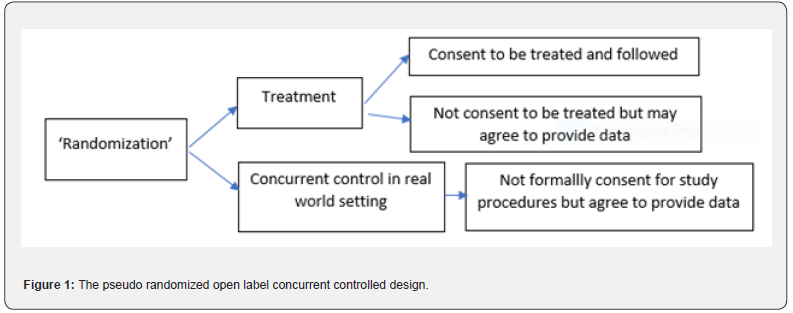
One of the underlying deficiencies with the above single arm or Bayesian design is the usage of ‘historical’ control data which are subject to drift over time, and therefore potentially non-comparable to current medical practices, endpoints measurements, study procedures and patient populations. The question is whether we can and how to potentially address this challenge (at least in part). Let’s now modify the traditional randomized controlled open label trial in the following way. In selected countries/sites, patients who meet the protocol criteria will be virtually ‘randomized’ to the treatment or control in a pseudo trial. There is no need for the patients to know they are randomized in this ‘pseudo’ trial at this point of time. Those who are ‘randomized’ to the control will be followed with the standard clinical practice procedure or standard of care, in this case, without the need of consent. By nature of this randomization scheme, this ‘control’ group is (concurrent and) comparable to the future ‘treatment’ group and serves as the basis of creating ‘unbiased’ comparisons. Among the patients who are ‘randomized’ to the treatment, we ask for their informed consent to participate in an open label single arm trial. Those who consent to participate in the pseudo randomized and ‘single treatment arm’ study will take the study medication and be followed according to the protocol while the other patients who do not consent will be followed like those ‘randomized’ to the control, i.e., under the standard of care. (Figure 1) provides the flow chart of this design which has the following features.
i.It can be considered as a design with a single treatment arm plus a ‘randomized’ concurrent rather than historical control arm. Therefore, this design is somewhere between the single arm uncontrolled or historical controlled design and the regular open label randomized controlled design. Note that the traditional single arm trial does not have a randomization step and therefore has no randomized ‘unbiased’ concurrent control. The issues associated with the traditional single arm trials have been discussed in Section 3. This design improves upon the traditional single arm trial by providing a comparable concurrent control group and yielding ‘unbiased’ treatment effect estimates.
ii.Note further that patients are ‘randomized’ first and then consent next for those randomized to ‘treatment’, or consent to provide Real World data for those randomized to ‘control/placebo’. In the traditional randomized controlled trials, patients consent first then are randomized later, those who do not consent are not randomized and not included in either the treatment arm or control arm. The proposed new design could therefore be applicable to situations where traditional randomized, placebo-controlled trials are not ethical or practical.
iii.The control is the real open label standard of care control rather than a placebo control (with the exclusion of certain concomitant medications). Due to the open label nature, if a placebo was used, there should be no extra placebo effect (Figure 1).

We next address the question of how to perform data analysis and interpret the results; moreover, how to use the data from patients who are randomized to ‘treatment’ but do not consent. First, for those patients randomized to treatment, we need to assess the comparability between those who consent and do not consent to participate in the study based on their characteristics (In traditional trials, we cannot assess this. It is nice to have this information). In the case where they are very similar, we can infer that if the patients who are randomized to the control were also asked to consent, likely, those who consent and those who do not consent might also be similar. Actually, no matter whether they consent or not, they all should realize that they will all have the same standard of care. Thus, the comparison between the treated patients and all the patients in the control arm should be justifiable. Patients who are randomized to treatment, but do not consent have no on-treatment data. If the intent-to-treat principle is applied and include all randomized patients in the analysis, clearly, the treatment effect will be substantially underestimated. As the missing data mechanism is more likely to be independent with the missing endpoint data and therefore is missing at random. The analysis based on a likelihood approach with non-consent patients excluded is therefore valid [21,22] particularly if the key baseline covariates are included in the analysis model. On the other hand, in case where the consent and none consent patients are different in terms of their characteristics, propensity score can be used for patient matching and selection from the controlled patients for the eventual treatment effect evaluation [14]. Since the control is concurrent real-world control and ‘randomization’ is performed, the between treatment comparison should be less biased and we should have more confidence with this analysis compared to the analysis with historical control.

Note that in order to include patients in data analysis, we need to obtain their agreement or ‘consent’ to use their data. This ‘consent’ is a light consent (e.g., signing a HIPPA release form with appropriate de-identification measures) for those who are randomized to the control as they do not need going through interventional study procedures. We just need their endpoint being measured at specific timepoints, which can be considered as a part of the treatment procedures even under the standard of care. Since the safety profile of the standard of care should be well known, patients in the ‘control’ group also do not need to take the cumbersome safety endpoint measurements. The safety of the experimental drug can be evaluated by the within treatment assessment approach using the concurrent background safety profile as the reference. Moreover:
i.For efficacy: we likely only have measures of the primary endpoint (survival or clinical outcome) at certain timepoints. Study design should consider such SOC practices, so we avoid any design or data measurement bias (e.g, more frequent measures in treatment group, creating ascertainment biases). For some secondary endpoints, we may not have data from the control group.
ii.For safety, again, we need to avoid data collection biases: if we have more frequent clinical visits in the treatment group, we may collect more ‘routine’ adverse events or have more lab abnormalities detected via frequent central labs. Therefore, we should focus more on serious adverse events, or assess lab out of ranges (exceeding multiple times of the upper limits of normal) only at timepoints of SOC practice.

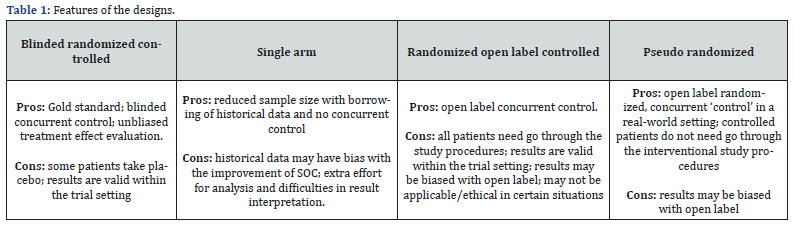
If all patients are required to formally consent and go through the formal study procedures according to the trial protocol, the pseudo randomized design can be replaced by a traditional randomized open label-controlled design. (Table 1) provides the summary of the comparative features of different designs. Besides those discussed in (Table 1), for the pseudo randomized trial design, trial procedures could be simplified at least for the patients in the control group to save cost. Moreover, there will be less issues of patients’ dropping out from the ‘study’ for those randomized to the control (Table 1).

Discussion

As discussed, there are many different clinical trial designs for us to select for a specific trial in a given context. The suitability of a design will depend on the disease area, the objectives of the trial, the nature of the new treatment, the study population, the acceptability by the health authorities, the timeline and cost considerations. Some of the designs including the traditional randomized double-blind controlled design and single arm design are widely used. Nonetheless, they may not always be applicable efficient or feasible for some scenarios. Thus, innovative designs are proposed in literature and are being used in practice. Clearly, some of these designs may need additional assumptions for the results to be valid such as the consistency assumption for the use of the Bayesian design with historical data borrowing. Some of the assumptions can be verified via observed data when performing data analysis. Based on the comparison in (Table 1), the pseudo randomized controlled design may be a suitable option when blinding is not possible, and we need a concurrent control to provide valid comparable data in a real-world setting where patients can have more flexibility and at the same time cost for the study can be reduced. There is one drawback compared to traditional single arm trials: because of the ‘pseudo randomization,’ we do ‘lose’ some patients who refuse to consent to be treated.

Even though there may be some sound rationale and considerations behind any new designs, to fully understand and appreciate the features of the design, we need to further evaluate and share our experience obtained from real trial practice. Sometimes, performing simulation for a specific trial setting is also necessary per the regulatory guidance. In terms of the pseudo randomized single treatment arm concurrent controlled design discussed in Section 4.2, we do not have much experience regarding when and why a patient would consent or not consent to participate in the active treatment group of the study. Patients’ behavior may depend on the availability of alternative medicines in the market even though a patient can always drop out from the study and switch medication any time during the study if the study treatment apparently has no effect. In addition, a patient may consent to take the active treatment and participate in the study for the purpose of saving medical cost and getting the needed care at the same time. Then the behavior will be ‘social-economic’ related and the associated prognostic covariates will need being incorporated in the analysis model to reduce bias. If such a design can be deployed, we will have data to assess the differences (if any) between consent and none-consent patient subgroups and evaluate the differences between the concurrent control group and any historical control data (if available). We welcome readers to consider and further enhance this new design proposal.

To Know more about Biostatistics and Biometrics Open Access Journal
Click here: https://juniperpublishers.com/bboaj/index.php

To Know more about our Juniper Publishers
Click here: https://juniperpublishers.com/index.php

Wednesday, December 13, 2023

Infantile Ocular Cystinosis: About Two Family Casesy - Juniper Publishers

 Ophthalmology - Juniper  Publishers


Abstract

Cystinosis is a metabolic pathology characterized by the accumulation of cystine in lysosomes, essentially damaging the eyeball and the kidney. It is characterized by a cystine transport defect due to a mutation in the CTNS gene. Our objective was to report two familial cases of cystinosis with ocular manifestation. It involved a 7-year-old girl (Case 1) and her 18-month-old little brother (Case 2), followed in nephropediatrics for cystinosis and referred to our department for an eye assessment. Rickets resistant to vitamin D supplementation were noted . They presented with Fanconi syndrome and renal ultrasound was normal in both. At the slit lamp we found superficial punctate keratitis and a deposit of refractive microcrystals scattered over the entire extent of the cornea, with a Gahl score of 3.00 in both patients. A homozygous CNTS mutation was revealed by molecular biology. The asymptomatic parents presented the same mutation in the heterozygous state. They benefited from treatment based on vitamin A in ophthalmic ointment and correction of hydro-electrolyte disorders and vitamin D supplementation. Cystinosis is a rare genetic pathology. It is to be looked for in the presence of corneal crystals associated with a delay in height and weight growth. The diagnosis is made by measuring intra leukocyte cystine. Cysteamine, orally and ocularly, has significantly improved the prognosis. Genetic counseling is of paramount importance.

Keywords: Cystinosis, Corneal crystals, Fanconi syndrome, Cysteamine

Introduction

Cystinosis is a lysosomal, autosomal recessive pathology caused by mutation of the CTNS gene encoding cystinosin. This membrane transport protein allows the efflux of cystine from lysosomes to the cytoplasm, where it is degraded into cysteine. The intralysosomal accumulation of cystine induces the formation of insoluble crystals responsible for progressive multi-organ failure, particularly in the kidneys, pancreas, thyroid and eyes. Several ocular locations of this crystal accumulation have been described and can jeopardize the quality of life of affected patients, possibly creating visual impairment and even blindness [1]. Our objective was to report two familial cases of cystinosis with ocular manifestation.

Case Description

It involved a 7-year-old girl (Case 1) and her 18-month-old little brother (Case 2), respectively from a family of four children, the result of second-degree parental consanguinity. They were followed by a nephropediatrician for cystinosis and referred to our department for an eye assessment. Pediatric examination revealed rickets resistant to vitamin D supplementation, marked by failure to thrive (-2 standard deviations). In Case 1, an epiphyseal bulge at the ankles and wrists, a genu valgum, was noted. On laboratory examination, they presented Fanconi syndrome marked by polyuria, hypocalcemia, hypokalemia, hyponatremia, hypophosphatemia, hypovitaminosis D and elevated β 2-microglobinuria. Renal ultrasound was normal, well differentiated in both.

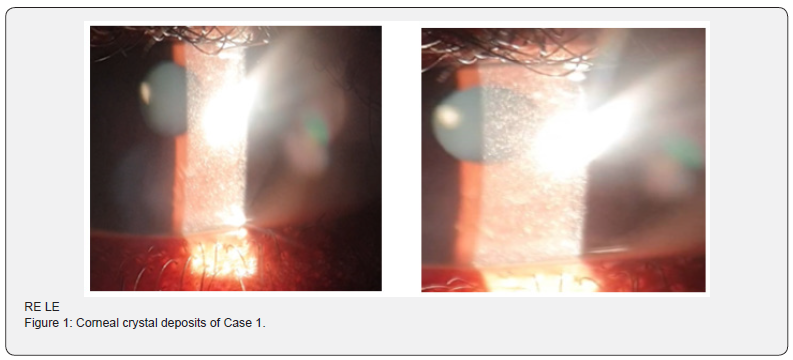
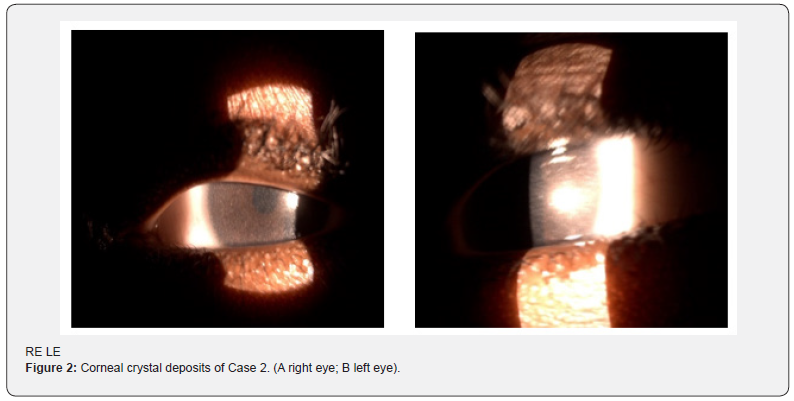
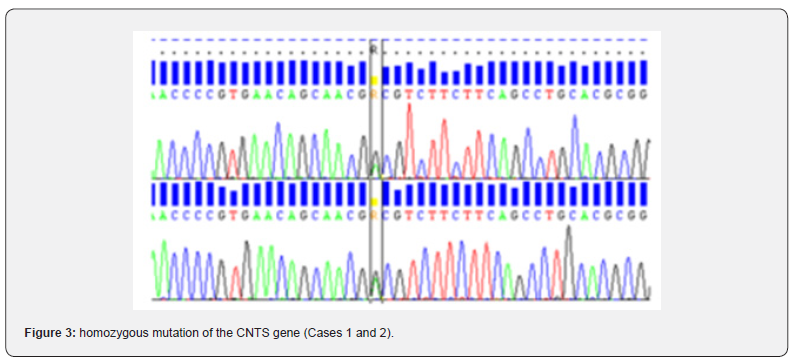
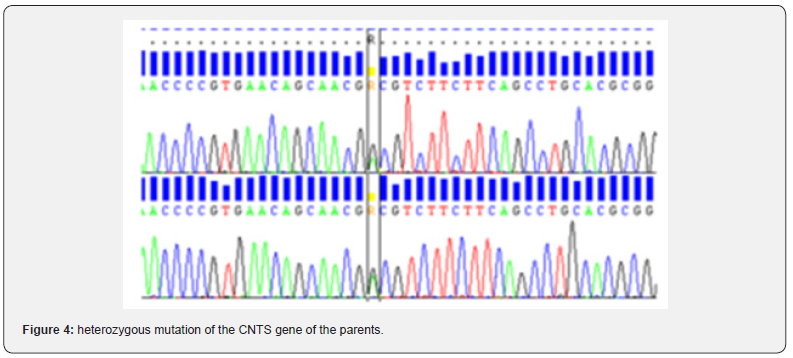
The ophthalmological examination showed distance visual acuity assessed according to the Léa scale at 0.2 at OD and 0.4 at OG in Case 1. It was difficult to assess in Case 2, who presented good light tracking at 2 eyes. At the slit lamp, there was superficial punctate keratitis and a deposit of refractive microcrystals scattered over the entire extent of the cornea, with a Gahl score of 3.00 in both patients (Figures 1 and 2). The remainder of the examination was normal in both Cases. The ophthalmological examination of both parents was unremarkable. Molecular biology allowed us to make the diagnosis of cystinosis in the 2 Cases, revealing a homozygous mutation of the CNTS (c.614A>G) (Figure 3). The asymptomatic parents presented the same mutation in the heterozygous state (Figure 4). The other 2 children of the siblings were unaffected by the mutation. They benefited from treatment based on vitamin A in ophthalmic ointment and correction of hydro-electrolyte disorders and vitamin D supplementation.

Discussion

Cystinosis is an autosomal recessive disease that is caused by an accumulation of cystine in lysosomes. This concerns cells of all tissues and organs with greater sensitivity on the part of kidney tissue. It is the absence of cystinosine, a cystine transporter located in the lysosome membrane, which is responsible for this accumulation, with cystine no longer being transported out of the lysosome [2]. Found in all ethnic groups, this disease has a prevalence of between one birth in 200,000 and one birth in 100,000 depending on the country [3]. These were the first cases found in our department.

Ninety-five percent of people with cystinosis have the infantile nephropathic form. Three clinical forms of cystinosis (infantile, juvenile and ocular) have been described depending on the age of onset and the severity of symptoms. In the infantile form, the most common, the first signs appear after 3 months, marked by a polyuro-polydipsic syndrome and significant growth retardation, secondary to a generalized proximal tubular syndrome (Toni-Debré-Fanconi syndrome) with disturbances. hydro electrolytes severe.

The accumulation of cystine in different organs is responsible for hypothyroidism, insulin-dependent diabetes, hepatosplenomegaly with portal hypertension, muscle damage and brain damage. Ocular damage, secondary to cystine deposits in the cornea and conjunctiva, leads to tearing and photophobia. The disease gradually progresses after the age of 6 to end-stage renal failure. The juvenile form appears after the age of 8 years and presents a clinical picture of intermediate severity, with end-stage renal failure occurring after the age of 15 years [2-4]. Finally, there is the non-nephropathic or pure ocular form , which appears in adulthood . The 2 patients reported presented with infantile cystinosis.

The severity of the disease is essentially based on kidney damage which can be life-threatening. Cystinotic nephropathy manifests itself by weight loss, Fanconi syndrome, damage to the renal glomerulus and manifestations affecting other organs. The extrarenal involvement is essentially ocular and mainly causes photophobia and blepharospasm. Corneal damage is constant, appears from 12 months, and consists of deposits of birefringent spindle crystals which accumulate over time in the corneal stroma, and progress from the anterior stroma towards the endothelium. The appearance is scintillating and multicolored on biomicroscopic examination. Superficial punctate keratitis and strip keratitis are often associated, and the corneal endothelium is spared. In more advanced stages, limbal corneal neovascularization can be found [5,6]. The severity of corneal damage can be assessed by the Gahl biomicroscopic score (0 to 3) and by OCT of the anterior segment [6]. Confocal microscopy makes it possible to analyze and quantify corneal crystals, assess the infiltration of inflammatory cells and look for nerve damage [7].

Cystinotic retinopathy is rarer. Crystal deposits are sometimes noted throughout the retina. Depigmentation of the retinal periphery associated with pigment deposits is possible, which can progress to retinal atrophy [5,8]. The crystals can also be located on the conjunctiva, the iris, the ciliary body, the anterior lens capsule, the choroid or the optic nerve and cause complications such as angle closure glaucoma, posterior synechiae, edema. macular, choroidal neovascularization [6,8]. Our patients did not present any localization other than corneal involvement.

The biochemical diagnosis is based on the intra-leukocyte cystine dosage which is the gold standard. It is a sensitive and precise examination for the confirmation of the disease [5]. It is not available in our context.

The molecular diagnosis is confirmed by the presence of mutations in the CTNS gene coding for cystinosine located on chromosome 17. There are genotype and phenotype correlations explaining the variability of the symptoms [3]. This genetic study is necessary to confirm the diagnosis and carry out family studies with a view to genetic counseling. In our case, it made it possible to confirm the genetic mutation in the 2 children and in the parents.

Treatment with cysteamine has improved the prognosis of the disease. Its aim is to deplete lysosomes of cystine [1,3]. Its early administration makes it possible to delay the age of onset of end-stage renal failure and prevent late complications. To achieve effective corneal concentrations, topical administration of cysteamine in the form of ophthalmic gel is required [1]. This requires an increased dosage which can make treatment compliance difficult. As cysteamine is not marketed in Senegal, patients received symptomatic treatment with vitamin A ointment and hydro electrolytic and vitamin supplementation.

Conclusion

Cystinosis is a rare genetic pathology whose main manifestation is Fanconi syndrome. It is to be looked for in the presence of corneal crystals associated with a delay in height and weight growth. The diagnosis is made by measuring intra leukocyte cystine. Cysteamine, orally and ocularly, has significantly improved the prognosis. Genetic counseling is of paramount importance.


To Know more about JOJ Ophthalmology
Click here: https://juniperpublishers.com/jojo/index.php

To Know more about our Juniper Publishers
Click here: https://juniperpublishers.com/index.php
Tuesday, December 12, 2023

Understanding the Concept of “Nutraceutical” - Juniper Publishers

 Pharmacy & Pharmaceutical Sciences - Juniper Publishers


Abstract

Nutraceuticals, a portmanteau of “nutrition” and “pharmaceutical,” represent a rapidly growing and evolving field in the realm of health and wellness. This term refers to products that combine the benefits of both nutrition and pharmaceuticals, as they aim to promote health and prevent or manage diseases. Nutraceuticals encompass a wide range of substances, including vitamins, minerals, herbs, dietary supplements, functional foods, and bioactive compounds. The core concept behind nutraceuticals is their potential to deliver therapeutic effects beyond basic nutrition. They are designed to bridge the gap between dietary insufficiencies and pharmaceutical interventions. Nutraceuticals may enhance overall well-being, support specific physiological functions, or alleviate symptoms associated with various medical conditions.

The appeal of nutraceuticals lies in their natural origins and the premise of fewer side effects compared to traditional pharmaceuticals. These products often contain bioactive compounds with antioxidant, anti-inflammatory, or immune-boosting properties, such as omega-3 fatty acids, probiotics, and plant polyphenols. The nutraceutical industry has witnessed exponential growth due to the increasing awareness of preventive healthcare and the desire for more natural treatment options. However, it also faces challenges related to regulation and quality control, as the boundaries between food and medicine can be blurred.

Keywords: Antioxidants; Disease modifiers; Herbal nutraceuticals; Nutraceutical products; Nutraceuticals, Oxidative stress

Introduction

The original concept in these concepts goes back three thousand years. Hippocrates (460-377 BC), the nicely recognized father of current medication, said “let food be thy medicine and medicine be thy meals” to expect the courting among suitable ingredients for fitness and their therapeutic benefits. The truth in this saying is broadly regarded nowadays. The idea of nutraceuticals is not new, although it has evolved substantially over the years. in the early 1900s, meal producers inside the u.s. started out adding iodine to salt so that you can save your goiter, representing one of the first attempts at creating a functional issue through fortification. these days researchers have identified hundreds of compounds with useful characteristics, and they preserve to make discoveries surrounding the complex advantages of phytochemicals (non-nutritive plant chemical compounds which have protecting or sickness-preventative houses) in meals. In Japan, England, and other countries, nutraceuticals have already got grown to be a part of the nutritional landscape. Client hobby in the relationship between food plan and fitness has elevated the demand for data on nutraceuticals. speedy advances in technological know-how and era, growing fitness care prices, modifications in meals legal guidelines affecting label and product claims, a growing older population, and a rising hobby in reaching wellness via food regimen are among the elements fueling U.S. interest in nutraceuticals. Credible scientific research indicates many capacity fitness benefits from meal components. These blessings should expand the fitness claims now accredited to be diagnosed using the food and Drug administration [1-3].

Approximately 2000 years ago, Hippocrates efficaciously emphasized “let meals be your medication and remedy be your meals”. presently there is an improved worldwide interest due to the recognition that “nutraceuticals” play a major position in fitness enhancement. The term “Nutraceutical” was coined by combining the terms “vitamins” and “Pharmaceutical” in 1989 via Dr. Stephen De Felice, Chairman of the inspiration for Innovation in medicinal drugs. “Nutraceutical” is a marketing term evolved for a nutritional complement that is offered to treat or save your sickness and thus has no regulatory definition. Therefore a “nutraceutical” is any substance that can be taken into consideration as food or part of meals and affords scientific or fitness benefits, encompassing, the prevention and treatment of sicknesses. Such merchandise might also vary from isolated vitamins, nutritional dietary supplements, and diets to genetically engineered “clothier” ingredients, herbal products, s and processed ingredients which include cereals, soups, and liquids. Currently, over 470 nutraceutical and functional food products are to be had with documented health advantages. “Nutraceuticals and useful foods have received huge interest due to their presumed safety and capability dietary and therapeutic results”. The nutraceutical and practical meals industry is in a unique position to capitalize on clients’ hobbies. Be it a multinational pharmaceutical organization, a nutritional organization, a large meals multinational, or a small diet-promoting company, all of them apprehend the converting tendencies and are aware of the extra health-seeking consumer fashion. there may be, hence, a proliferation of this cost-delivered merchandise aimed toward no longer only maintaining oneself wholesome but also prevention/remedy of numerous illnesses ranging from coronary heart illnesses to cancer [4,5].

As referred to in advance, purposeful foods contain larger profit margins than conventional ingredients (30 to 500 percent better). the worldwide marketplace size is anticipated between 30 and 60 billion US$, with Japan, US, and Europe occupying the most important share. By way of 2010, the nutraceutical call is forecast to touch $197 billion. There are lots of misunderstandings regarding the terminologies like “nutraceuticals”, “functional meals”, “nutritional supplements” “clothier meals”, “scientific foods”, “pharma foods”, “phytochemicals” etc. There appears to be a thin dividing line in their interchangeable utilization using oneof- a-kind humans on one-of-a-kind events. “Prescription drugs” can be taken into consideration as tablets used especially to treat sicknesses, even as “nutraceuticals” are the ones which might be intended to save you from sicknesses.

The above difference between prescription drugs and nutraceuticals is lovable, however superficial and inaccurate. prescription drugs are materials that have (or have had) patent protection because of expensive trying out to conform to the specifications of respective Governments. However, many vitamins may in no way get hold of authorities’ approval on account that no person could justify the cost of testing requirements for materials that cannot be blanketed via patent laws. Each prescription drug and vitamin can cure and save your ailment(s), but the best prescription drugs have governmental sanctions [6-8]. Many prescription drugs have their origin in plant life and animals and aren’t any much less “natural” than vitamins. A classic instance of vitamins is synthetic vitamins. Nutraceuticals from time to time referred to as “functional ingredients”, have induced heated debate because they blur the conventional dividing line between meals and medication. When food is being cooked or prepared with the usage of “medical intelligence” without or with the know-how of the way or why its miles getting used, then the meals are known as “functional meals.” for that reason, purposeful food provides the body with the required quantity of nutrients, fat, proteins, carbohydrates important for healthful survival. whilst practical meals aid within the prevention and/or remedy of ailment(s)/ ailment(s) other than deficiency conditions like anemia it’s miles called a “nutraceutical”. Consequently, useful food for one patron can act as a nutraceutical for any other. Examples of nutraceuticals include fortified dairy products (milk as such is a nutrient and its product casein is a pharmaceutical) and citrus result (orange juice is a nutrient and its constituent ascorbic acid is a pharmaceutical).

A dietary supplement is a product that is intended to supplement the diet that bears or includes one or extra substances like nutrition, mineral, herb, an amino acid or pay attention, metabolite, constituent, extract or mixtures of those. “Medical meals” are a particular class of therapeutic sellers which are meant for the nutritional management of a specific ailment. An example of clinical meals is formulations intended to control sufferers with inborn mistakes in amino acid metabolism. more modern medical ingredients are designed to manipulate hyperhomocysteinemia, pancreatic exocrine insufficiency, inflammatory situations, most cancers cachexia, and other illnesses. The usage of nutraceuticals, as an attempt to accomplish applicable healing outcomes with decreased facet outcomes, compared with different therapeutic dealers has met with amazing monetary success [9,10]. The desire for the discovery and manufacturing of nutraceuticals over prescription drugs is nicely appreciated by pharmaceutical and biotechnology agencies. some popular nutraceuticals consist of glucosamine (for arthritis), lutein (for macular degeneration), ginseng (for cold), echinacea (anti-immune), folic acid, cod liver oil pills, and so on. The most popular functional food and beverage products include omega-3 eggs, omega-three enriched yogurts, calcium-enriched orange juice, and inexperienced tea to mention some. Most of the nutraceuticals do own a couple of healing benefits, however in the gift overview, plenty of attempts have been dedicated to decentralizing them based on their sicknessspecific essential indication. Nutraceuticals was claimed to have a physiological advantage or offer protection in opposition to the subsequent sicknesses (and/or observed to act as):

i. Cardiovascular dealers

ii. Antiobese sellers

iii. Antidiabetics

iv. Anticancer dealers

v. Immune boosters

vi. persistent inflammatory problems

vii. Degenerative sicknesses

viii. Neuro degenerative diseases [11]

Nutraceuticals vs Other Terminologies

There is a lot of bewilderment concerning the terminologies like nutraceuticals, useful meals, dietary supplements, fashion designer foods, clinical foods, pharma foods, phytochemicals, and so on. “Prescribed drugs” can be taken into consideration as pills used specifically to deal with sicknesses, at the same time as “nutraceuticals” are those that are supposed to save you illnesses. inside ecu drugs law a nutraceutical can be described as a remedy for two motives: it may be used for the prevention, remedy, or remedy of a condition or sickness or be administered so that you can restore, correct, or enhance physiological functions in human beings. Each prescription drug and vitamin can treat and save your disease(s), but the best-prescribed drugs have the governmental sanction. capsules are concerned with an approval process before marketing. To be accredited, a drug should exhibit safety and efficacy for its supposed use. Nutraceuticals aren’t capsules without a doubt due to the fact they have no longer long passed via an approval system. Many prescribed drugs have their starting place in plants and animals and are not any much less “natural” than nutrients. A conventional instance of nutrients is synthetic vitamins. “Medical foods” are a specific class of healing agents that can be meant for the dietary control of a selected ailment. An instance of scientific meals is formulations meant to manipulate patients with inborn errors in amino acid metabolism. More recent scientific meals are designed to manage hyperhomocysteinemia, pancreatic exocrine insufficiency, inflammatory conditions, cancer cachexia, and other illnesses. meals are usually diagnosed as secure whereas Nutraceuticals may additionally contain materials that might be “herbal” but won’t be formally recognized as safe [12-14].

Nutraceuticals occasionally referred to as “purposeful foods”, have induced heated debate due to the fact they blur the conventional dividing line between meals and medication. Nutraceuticals barely range from useful foods. When food is being cooked or prepared the usage of “medical intelligence” with or without an understanding of the way or why its miles getting used, the food is called useful food. Hence, functional food provides the body with the specified quantity of vitamins, fats, proteins, carbohydrates, etc. Wanted for its healthful survival. Whilst practical meals aid within the prevention and/or treatment of ailment(s) and/or disorder(s) other than anemia, it is known as Nutraceutical. (Because maximum of the useful foods act in a few ways or the opposite as anti-anemic, the exception to anemia is considered to have a clear distinction between the 2 phrases, functional meals, and nutraceutical.) Examples of nutraceuticals consist of fortified dairy merchandise (e.g., milk) and citrus culmination (e.g., orange juice) and veggies. us nutritional complement fitness and training Act (DHSEA), defined “nutritional supplement” as the usage of numerous criteria. A nutritional supplement is a product (aside from tobacco) that is supposed to supplement the weight-reduction plan that bears or consists of one or greater of the subsequent dietary components: a vitamin, a mineral, an herb, or a different botanical, an amino acid, a dietary substance to be used through man to complement the weight loss plan through increasing the overall daily consumption, or a concentrate, metabolite, constituent, extract, or combos of those substances [15].

A dietary supplement: is meant for ingestion tablet, pill, pill, or liquid shape. isn’t represented to be used as a conventional food or as the sole object of a meal or eating regimen. is labeled as a “nutritional supplement.” consists of products together with an accepted new drug-certified antibiotic, or licensed biologic that was advertised as a dietary complement or food before approval, certification, or license.

for this reason, nutraceuticals vary from nutritional dietary supplements within the following components: Nutraceuticals ought to not only complement the weight-reduction plan but must also resource in the prevention and/or ailment. Nutraceuticals are requested for use as a traditional food or as the sole object of a meal or diet. Nutraceuticals are manufactured to strict requirements and are regulated beneath food safety and satisfactory control regulations [16]. A ray of “treatment desire” in the mind of commonplace patients revolves around nutraceuticals due to their false notion that ‘all herbal medicines are true.” also, the excessive cost of prescription drugs and the reluctance of a few coverage businesses to cowl the expenses of medicine helps nutraceuticals solidify their presence inside the worldwide marketplace of healing procedures and therapeutic marketers [17].

Type of Nutraceuticals

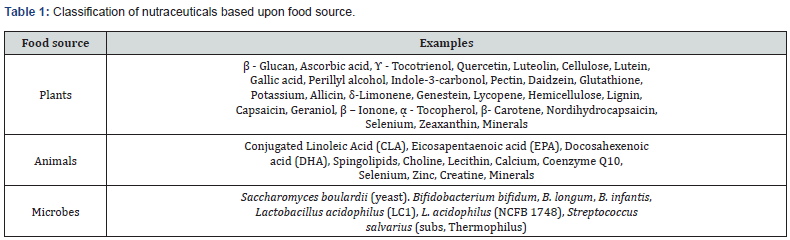
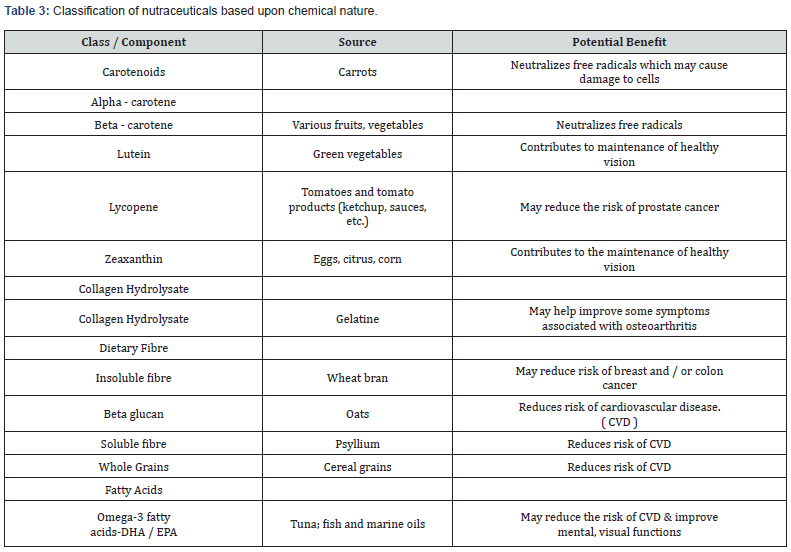
Nutraceuticals are labeled based on various chemical constituents present in herbal flowers. desk 1 suggests the listing of numerous nutraceuticals, their additives, supply, and their capacity blessings. Discussion nowadays, nutraceuticals have obtained high hobbies because of their capacity dietary, and safety profile, aside from healing capability. Pharmaceutical and dietary groups are aware of the converting traits that are due to the advantages of these compounds. most nutraceuticals possess more than one therapeutic advantage. The prevailing examines devoted to a better understanding of nutraceuticals primarily based on their pharmaceutical and therapeutic warning signs. It has to be noted that there might be numerous confusions associated with the terminology of nutraceuticals, including phytochemicals, pharma foods, medical meals, practical foods, nutritional supplements, clothier ingredients, and so forth., there may be a thin dividing line between their interchangeable usage with the aid of distinct humans on one-of-a-kind activities. prescribed drugs are ordinarily taken into consideration as medications that are used especially to treat illnesses, but nutraceuticals are the substances that are often considered to prevent illnesses.

This difference between prescribed drugs and nutraceuticals may be very erroneous and superficial. pharmaceuticals and nutraceuticals each can remedy and save you sickness(s) however, the best pharmaceuticals have governmental sanction. prescribed drugs are compounds that typically own patent safety due to high-priced testing. However, nutraceuticals no longer want those checking out documents.

Scientific foods or medicinal foods are a particular category of healing marketers that might be taken into consideration for the nutritional control of a specific ailment. as an instance, medicinal foods are designed to manage inflammatory situations, most cancers, hyperhomocysteinemia, pancreatic exocrine insufficiency, and other diseases. They also play significant protection against numerous age-related or continual illnesses. Natural drug treatments which are used as a nutrient are considered in this category. Nutraceuticals are in many results and vegetables are answerable for health advantages. because of these health blessings of nutraceuticals, they could often be taken to treat or lessen the risk elements together with excessive LDL cholesterol, excessive blood strain, and diabetes. several of the most popular nutraceutical products marketed these days are botanicals which include ginseng, ginkgo biloba, St. John’s wort, and echinacea. [The list of nutraceuticals being studied is changing usually and reflects ongoing marketplace developments, research, and consumer interest. With rapidly increasing interest in nutraceutical intake, sizeable research is important to warrant the nutraceuticals utilization secure and powerful. The mechanistic actions of nutraceuticals aren’t clean. However, they are probably concerned with a wide type of biological techniques, including activation of signal transduction pathways, antioxidant defenses, gene expression, cellular proliferation, differentiation, and upkeep of mitochondrial integrity

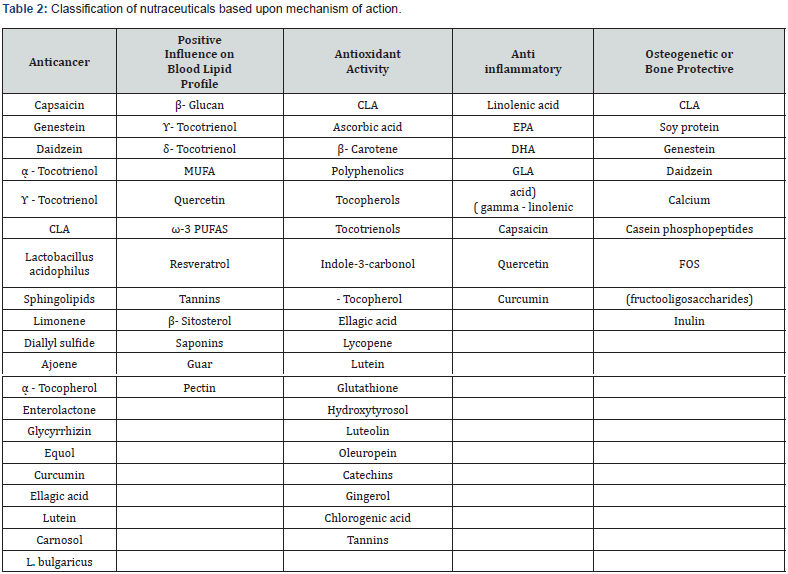
Classification of nutraceuticals: (Table 1-3)

Research Methods

Research on nutraceuticals usually involves a multidisciplinary approach.

Literature review

A thorough review of the controlled articles, including research articles, reviews, and supervisory directions, was conducted to consider the various facets of nutraceuticals.

Data collection

Data were collected through surveys, interviews with specialists, and analyses of nutraceutical production labels and additives. The market dossier was also asked to recognize the current situation.

Data analysis

A qualitative study was used to categorize and compile judgments from brochures, surveys, and interviews. A quantitative dossier, if available, was resolved to recognize the flows and advantages.

Results

Definition and classification of nutraceuticals

Nutraceuticals are products that come from fair beginnings or are fortified with accompanying bioactive compounds that support fitness benefits and provide further basic food. They can be classified into various types, including working snacks, digestive supplements, and herbaceous products.

Key active ingredients

Common life factors of nutraceuticals include vitamins, minerals, antioxidants, probiotics, prebiotics, and phytochemicals. These ingredients are well known for their potential to enhance well-being and prevent illness.

Consumer perspectives

Research shows that purchasers turn to nutraceuticals for a variety of reasons, including common well-being and wellness, ailment prevention, and addressing health concerns. Consumer priorities are frequently affected by perceptions of ease and security.

Regulatory framework

The supervisory foundation of nutraceuticals varies from country to country. In many domains, distinguishing directions and controlling product quality standards guarantee device security and efficacy. Compliance with these requirements is essential for display access.

Market trends

Nutraceuticals have endorsed meaningful developments in recent years, compelled by the growing strength of knowledge among shoppers. Key currents include the rise of working foods, embodied food, and an increasing emphasis on tenable and unaffected sourcing of pieces.

Discussion

Nutraceuticals are complex and are evolving. They maintain a singular slot in food and health activities, contributing to the promise of improved comfort and health support. However, challenges related to experimental confirmation, product quality control, and regulatory agreements remain. Moreover, as manufacturing continues to evolve, it securely and efficiently balances innovation and service choice. Researchers, managers, and industry partners must agree to guarantee that nutraceuticals meet their potential while addressing these challenges.

Conclusion

Many nutraceuticals, functional ingredients, and occurring compounds that had been investigated and reported in diverse research found that these products are extraordinarily active, have a profound effect on cellular metabolism, and frequently have a little unfavorable impact. It’s far natural that human beings’ consciousness is moving to an effective method for the prevention of illnesses to stay healthy. Nutraceuticals are clinical vicinity generated everywhere around the globe. in many cases, nutraceuticals provide a bonus over the synthetic capsules beneath improvement by way of the prescribed drugs enterprise.

It is a novel pharmacological interest which has become exciting in its feasible scientific use and for that reason helps in the prevention and therapeutic of numerous illnesses. maximum of the pharmaceutical companies frequently lacks the motivation to pursue those difficulties in acquiring patents. its miles hope that government groups and research facilities will provide a guide for similar studies in nutraceuticals [18-20].

To Know more about Global Journal of Pharmacy & Pharmaceutical Sciences

To Know more about our Juniper Publishers

Happy Thanksgiving 2026 – Warm Wishes and Greetings

  Juniper Publishers wishes you a Happy Thanksgiving! May your day be filled with joy, gratitude, happiness, and countless blessings.