Tuesday, December 8, 2020

Periorbital Necrotizing Fasciitis in a Young Woman with Anorexia Nervosa-the Management and Considerations of Cosmetic and Functional Outcomes of Fulminant Disease in a Critically Unwell Patient - Juniper Publishers

Head Neck & Spine Surgery  - Juniper Publishers


Abstract

Necrotizing fasciitis is a rapidly progressive and potentially deadly bacterial infection of the superficial fascia. The horrific and grossly debilitating nature of necrotizing fasciitis has led to an increased prominence of its reporting in mainstream media however the disease entity has not been historically well understood, classified or reported in medical literature. While capable of manifesting in numerous bodily locations following inoculation during trauma, the periorbital region is the most commonly involved facial site and presents unique challenges in treatment of the disease due to the unique anatomical and functional attributes of this area. This case report describes the diagnosis, surgical and medical management in a young woman with severe malnutrition due to anorexia nervosa

Keywords: Necrotizing fasciitis Infection Oculoplastics Periorbital Ophthalmology Reconstructive surgery Immunocompromise(d)

Introduction

Necrotizing Fasciitis (NF) is a devastating rapidly progressive bacterial infection involving the superficial fascia leading to necrosis of overlying skin and systemic toxicity [1,2]. We present a case of periorbital NF in a chronically malnourished and unwell patient following facial trauma.

Case Report

A 36-year-old female presented to the emergency department following a mechanical fall with extensive left facial bruising extending to the neck and chest wall. The patient featured a complex medical history including severe anorexia nervosa. Pathology revealed significant electrolyte derangement, hypothermia, osteoporosis, bone marrow suppression and synthetic hepatic impairment. A clinical diagnosis of NF was made 6 days into her ICU admission following the development of anaesthetic, necrotic-appearing skin associated with purulent exudates from the palpebral fissure and a corresponding rise in the patient’s White Cell Count (WCC) and C-Reactive Protein (CRP). Examination of the eye was unremarkable, with the exception of a subconjunctival hemorrhage and nasally oriented corneal dellen. Initial emergency debridement was undertaken as a joint operation between ophthalmology and ENT teams, stripping back necrotic periorbital tissues down to the lower cheek and performing a lateral tarsorrhaphy to prevent exposure keratopathy. ENT undertook further exploration and debridement down to the neck and submental region, leaving a VAC dressing in-situ and harvesting multiple tissue samples for histopathological evaluation. Histology revealed marked suppurative inflammatory changes in the reticular dermis, skeletal muscle and subcutaneous fat in association with venous congestive changes and large regions of muscular and dermal necrosis (Figure 1). 

Pan-sensitive Streptococcus pyogenes and penicillinresistant Staphylococcus aureus (MSSA) were isolated from the excised tissues, while Pseudomonas species were isolated from the superficial left facial and eye swabs. Pending sensitivities, targeted antimicrobial therapy was instituted including the use of intravenous flucloxacillin, vancomycin, piperacillin-tazobactam and meropenem. Subsequent operative debridement and exploration was undertaken two days later, excising further nonviable periorbital tissues down to the buccal fat pad. Inspection of oral tissues was performed under direct laryngoscopy along with extension of tissue debridement from the neck area, noting that progression did not appear to track along fascial planes. Two months later, initial reconstruction surgery was performed. After washout of the left cheek and periorbital wounds, a Split Skin Graft (SSG) was applied to the left cheek (from a left thigh donor site) and Full-Thickness Skin Graft (FTSG) was applied to the superior and inferior left eyelids (abdominal donor site). The left tarsorrhaphy was also revised. Six months following her initial presentation, horizontal lateral canthotomy and division of tarsorrhaphy was performed to allow for a wider palpebral fissure. Finally, nine months after the initial diagnosis of NF, debulking of the upper lid was performed in conjunction with suturing of trace remaining elevator fibers to the tarsal plate. Reconstruction of the lower eyelid with FTSG (donor site medial upper arm) was also performed to relax the cicatricial nature of the earlier procedures (Figure 2).

Post-operative best corrected visual acuity was 6/9+2 in the affected eye with 5-6mm of lagophthalmos and complete pupillary exposure, allowing for good binocular vision without altered head posture. The patient remains able to use frontalis and orbicularis action to consciously moisten her cornea. The patient continued to use regular preservative-free lubricants to prevent exposure keratopathy. Periorbital NF is a rare rapidly progressing ophthalmic emergency that requires early recognition and operative debridement to prevent a fulminant course [1,3-5]. First described by Hippocrates in the fifth century B.C. as a complication of erysipelas [5], NF was then first properly described in modern literature by Confederate army surgeon Joseph Jones in 1871. Inconsistent nomenclature and inadequate linkage to sufficient bacteriological data led to confusion in the literature and a delay in the understanding of NF as a single disease entity [6]. Infection of the head and neck is uncommon in NF with only asmall number of cases being described in literature since 1960. In the post-antibiotic era, the overall mortality of head and neck NF has been estimated at between 9 and 31%, but its relatively frequent association with multi-system shock and permanent disfigurement render NF a particularly devastating and terrifying illness [3,7] (Figure 3). 

The most common trigger for periorbital NF is an antecedent injury leading to the breakdown of the skin barrier and concomitant inoculation of the causative organism(s) [6-8]. Swelling, pain, erythema, fever, haemorrhagic bullae, skin necrosis and crepitus are the most common clinical signs relevant to diagnosis [2,4]. Diabetes mellitus, immunosuppression, chronic renal impairment, pulmonary disease, recent surgery and traumatic injury have been identified as predisposing factors for NF; however, it is worthwhile noting that a large number of published cases remain idiopathic in nature [1,9-10]. Immunosuppression, age greater than 50 years, cirrhosis, congestive cardiac failure, gout and development of toxic shock syndrome (a late sign of infection) have been identified as independent risk factors most associated with increased mortality from NF [1,2,11]. Relative risk indicators have been identified, utilizing biochemical indicators such as white cell count, haemoglobin, CRP, serum creatinine, sodium and blood glucose to stratify NF severity in the acute setting [12].

Periorbital NF is divided into 4 classifications on the basis of microbiological culture. Type 1 (polymicrobial) infections are related to both anaerobic and aerobic (including facultative anaerobes such as Enterobacteriaciae and non-typable Streptococci) organisms most commonly manifesting on the abdomen, trunk and perineum. Type 1 NF is the most common type to develop in patients with diabetes. Type 2 (monomicrobial) NF involves the extremities, cutaneous and muscular tissues; and features no clear underlying risk factors. Group-A betahaemolytic Stretococcus (S. pyogenes) and/or S. aureus are the most commonly implicated organisms in Type 2 disease, characterizing its strong association with toxic-shock syndrome. Type 3 infections are caused by Clostridium, Vibrio spp. and other gram-negative organisms, typically involving the abdominal wall and/or perineum. They are often rapidly progressive infectionsfollowing salt-water injuries, seafood ingestion and penetrating traumas. Type 4 NF describes fungal infections involving the extremities, most frequently occurring in immunosuppressed individuals [1,9,10,13].

Our patient was a young, immunosuppressed, malnourished female. On hospital presentation she had severe electrolyte derangement (hypomagnesaemia, hypokalaemia and hyponatreamia), hypothermia, impaired hepatic synthetic function and coagulopathy (INR 2.0 with hypovitaminosis-K) and ischaemic digits. She developed severe facial Type 2 NF (S. aureus and S. pyogenes) following a break in the periorbital skin overlying a large haematoma, initially caused by blunt mechanical trauma. No underlying fractures were identified on computed tomography imaging. Anaesthetic necrosis of the thin eyelid skin allowed the early clinical recognition and diagnosis of necrotizing fasciitis, nevertheless the infection was rapidly progressive in nature, resulting in severe permanent disfigurement despite prompt operative debridement and broad-spectrum antimicrobial cover.

This case affords some insights into the pathophysiology of NF and also presented challenging aspects in the consideration of reconstructive techniques, attempting to maximize both long-term functional stability of the eye in limiting exposure keratopathy whilst optimizing the patient’s cosmesis

Operative exploration and debridement in this patient demonstrated that this infection did not respect fascial planes, considered anomalous in the typical subcutaneous spread pattern of NF [14]. It is possible that traumatic disruption of subcutaneous compartments involving all skin and muscular layers, in conjunction with a large haematoma facilitated alternative pathways for the dispersion of infection in this patient. This is of particular importance to keep in mind in such cases wherethe musculoaponeurotic structures of the face and neck may be breached, allowing the spread of infection into the superior mediastinum [11].

Discussion

Periorbital NF is the most commonly involved facial site and behaves differently from NF elsewhere in that the highly vascularized orbicularis oculi acts as an effective barrier to prevent the spread of infection from the skin to the underlying periorbita, thereby retarding the spread of infection into the orbit. As in this case, necrosis of the thin eyelid skin occurs rapidly, facilitating early detection of the condition due to the obvious cosmetic abnormality on examination [1]. Given the fragile general health and constitution of the patient, decisions regarding the donor sites for reconstructive skin grafting were based purely on pragmatism, with cosmesis playing a clearly secondary consideration to what were emergent and life-saving surgeries. Gross malnutrition and immunosuppression meant that donor tissue was chosen to maximize graft viability, to facilitate adequate coverage of the relatively large areas left exposed following extensive surgical debridement and to maximize the chances of adequate postoperative healing in this setting. Subsequent procedures were required in this case to balance the cosmesis and function of the patients eyelids, her vision (and the initial requirement for a chinup posture to peer through her tight palpebral fissure,) and the necessity to prevent an exposure keratopathy in a patient with significant lagophthalmos secondary to an almost obliterated orbicularis.

Conclusion

The rapidly destructive nature of NF necessitates early recognition and diagnosis to minimize the risk of a fulminant course with high morbidity and mortality. Physicians must remain vigilant and mount a thorough clinical suspicion for NF in suitably vulnerable patients with clinical features suggestive of the disease such as severe pain, swelling, erythema, bullae and tactile anaesthesia. Urgent resuscitation, emergency surgical debridement, broad-spectrum IV antibiotics and other novel therapies such as hyperbaric oxygen must be implemented without delay to prevent the frequently debilitating, disfiguring and life-threatening sequelae of NF [1,8,11,15]. This case report demonstrated some of the complexities in managing periorbitalNF in the context of pre-existing medical comorbidities and highlighted the challenges in optimizing the functional and cosmetic outcomes of reconstructive surgery following extensive emergency debridements of neck and facial tissues.

Click here: https://juniperpublishers.com/index.php    

Monday, December 7, 2020

Yew Poisoning: A Clinical Problem - Juniper Publishers

 Open Access Journal of Toxicology - Juniper Publishers 


Abstract

Introduction: Peripheral nervous system damage, or peripheral neuropathy, is a difficult clinical problem. The most common causes include traumatic injuries, inflammation, and metabolic disorders. Traumatic injuries, both acute and chronic, usually affect single nerves (mononeuropathies) while inflammation and metabolic disorders damage multiple nerves (polyneuropathies). The paper presents case of severe nervous system damage.

Material: Case demonstration. The first part describes the clinical presentation of a female patient with yew needle extract poisoning. The predominant neurological symptom was severe spastic tetra paresis with a bilateral positive Babinski sign and total aphasia. After physical therapy and rehabilitation, the patient’s mental status and ability to maintain contact were considerably improved and further increases in muscle strength and physical function were seen, which helped the patient walk unassisted using a walking frame and perform the activities of daily living.

Conclusion

a) The public should be widely informed about the problem.

b) Make children aware of the danger of yew consumption.

Keywords: Yew poisoning; Clinical problem; Treatment

Introduction

Common yew (Taxus baccata L.) - a species of evergreen coniferous tree or large shrub of the yew family. It occurs naturally in Europe, in western Asia (reaching as far as Iran) and in North Africa. It is a slow-growing, long - lived plant (over a thousand years old), growing on various soils and under various sun conditions. After a period of resource constraints related to over- exploitation and habitat destruction, the species is now in expansion. It is widely used-as an ornamental and providing valuable wood.

Physico-chemical properties

Poisonous plant. In all parts of the plant, apart from the aril surrounding the seed, there are large amounts of poisonous compounds, especially taxin to 2% in leaves, 0,16% in seeds), and ephedrine. Taxin is toxic to the heart, digestive system, nervous system and kidneys. In causes excitation and then paralysis in humans and other mammals. The heart rate increases initially and then slows down, blood pressure drops, atony progresses, and eventually the heart stops in diastole. The mucosa of the digestive system is severely irritated, resulting in severe inflammation and diarrhea. The respiratory center of the nervous system is affected, the kidneys are damaged and the uterus is stimulated, which results in abortion. However, the abortion effects are weaker than that on the heart and nervous system, therefore the use of yew as a miscarriage causes faster death than miscarriage [1-10]. People poisoning most often occurs when decoction of leaves is consumed for abortive purposes and after children eat seeds surrounded by appetizing-looking arils. The plant is rarely used for suicide purposes, sometimes poisoning results from applications in folk medicine (eg as an anthelmintic agent) or is the result of accidentally chewing twigs [ 11-17]. The initial symptoms of poisoning are vomiting, severe abdominal pain, diarrhea and drooling. This is followed by dizziness, intoxication, breathing becomes shallow, blood pressure drops- face turns pale, lips turn blue and unconsciousness occurs. Death occurs in a coma [4,8,9,18,19].

Material

Case report

A 20-year-old woman ingested yew needle extract: The patient was initially treated at an intensive care center due to severe arrhythmia in the form of tachycardia and ventricular fibrillation, which occurred a total of 11 times. As a result, the patient was defibrillated multiple times. She was then transferred to and treated at an acute poisoning center. At the time, the predominant neurological symptom was severe spastic tetra paresis with a bilateral positive Babinski sign and total aphasia. She no longer showed cardiovascular abnormalities. When the patient was transferred to the Department of Rehabilitation of the Military Institute of Medicine, intensive physical therapy and rehabilitation were initiated.

Physical therapy and rehabilitation: The physical therapy and rehabilitation program during the patient’s stay at the Department of Rehabilitation was adjusted to his condition and gradually modified as clinical improvements were observed [20].

The physical therapy procedures used in the patient included

1) four-cell baths, twice daily,

2) electrical stimulation of the fibular and tibial muscle groups of both feet,

3) cathode galvanization to the hands and feet, twice daily,

4) whirlpool massage of the upper and lower limbs, once daily,

5) low-frequency alternating magnetic fields with the following parameters: field intensity of 5 mT, frequency of 30 Hz, bipolar sine wave, duration of 15 minutes, twice daily to the wrists and hands and to the feet and lower legs.

The kinesiotherapy program included

1) active exercises with no weight-bearing on the hip and knee joints,

2) active exercises with regulated resistance for the extensors and flexors of both feet,

3) exercises with regulated intensity on an ergometer,

4) self-assisted exercises of the ankles,

5) gait training and correction.

Kinesiotherapy procedures were performed twice daily, in the morning and in the afternoon. The treatment program was gradually expanded as her motor and cognitive functions improved. The patient’s progress during rehabilitation was assessed based on time to recovery of motor functions. At the end of her 3-month stay at the Department of Rehabilitation, she showed marked improvements in her clinical status (maintaining contact, considerable reduction in limb spasticity and contractures, good sitting tolerance). During her next stay at the Department of Rehabilitation, the patient’s management was focused on verticalization and active ambulation, especially gait education, maintaining better contact with the patient, and improving her cognitive functions. The patient’s mental status and ability to maintain contact were also considerably improved and increases in muscle strength and physical function were seen, which helped the patient walk unassisted using a walking frame and perform the activities of daily living.

Discussion

People poisoning most often occurs when decoction of leaves is consumed for abortive purposes and after children eat seeds surrounded by appetizing-looking arils. The plant is rarely used for suicide purposes, sometimes poisoning results from applications in folk medicine or is the result of accidentally chewing twigs. Children unknowingly take the fruit of jew in their mouths, swallow them. It is a lethal danger. In order for physical therapy and rehabilitation to be effective in patients with axonal sensorimotor polyneuropathies, it is crucial to establish the causal factor. Physical therapy and rehabilitation must be patient-specific and guided by the patient’s current clinical status, including their perception abilities and muscle fatigue.

Effective management after acute yew poisoning is possible only with:

i. Regular exercises and a long-term rehabilitation process,

ii. Physical therapy procedures adjusted to the patient’s condition,

iii. The intensity of exercise changing depending on improvements in motor functions.

After treatment conducted in the patient with yew needle extract poisoning, her mental status and ability to maintain contact were considerably improved and further increases in muscle strength and physical function were seen, which helped the patient walk unassisted using a walking frame and perform the activities of daily living.

Conclusion

a) Consumption of yew fruit is dangerous to health, even death.

b) The public should be widely informed about the problem Make children aware of the danger of yew consumption.


Friday, December 4, 2020

Characterization of Aroma Active Compounds of Cumin (Cuminum cyminum L.) Seed Essential Oil - Juniper Publishers

 Bioequivalence & Bioavailability - Juniper Publishers   


Abstract

Cumin (Cuminum cyminum L.) is one such most popular spice that is used as a culinary spice for their special aromatic effect. The flavor of cumin is judged by its volatile oil content. The advantage of use of volatile oil is that it is 100 times more concentrated then the spice powder and hence is required in a very less quantity. The essential oil is responsible for the characteristic cumin odor. In present study evaluation of fragrance and flavor profile in essential oil of cumin from the Algerian market (Algeria, Northwest Africa) has been identified. The essential oil from the seeds of Cuminum cyminum L. was isolated by hydro-distillation method and the chemical composition was determined by gas chromatography-mass spectrometry. Eighteen (18) components representing (91.10%) of the essential oil were identified. β-pinene (9.5%), γ-terpinene (10.0%), p-cymene (11.8%) and Cuminaldehyde (50.5%) were the major components. The essential oil was also subjected to measurement of the physicochemical properties; refractive index (20 °C): 1.48, density (20 °C): 0.91, alcohol solubility (80% v/v): 1.1, aldehyde percentage: 50%, acidity: 1.0, alcohol percentage: 3.5%, carbonyl index: 9.32 and steric index: 19.24. These results suggested that the Cuminum cyminum L. essential oil is a potential source of active ingredients for food, pharmaceutical and cosmetic industry.

Keywords: Spices; Cumin; Cuminum cyminum L.; Essential oil; GC-MS; Physicochemical properties

Abbreviations: GC-MS: Gas Chromatography-Mass Spectroscopy; MSD: Mass Selective Detector; ISO: International Organization for Standardization; French AFNOR: French Association of Normalization

Introduction

Since earliest times medicinal plants have played a vital role in the development and comfort of human civilization. Many of the plants have medicinal properties that reduce symptoms or prevent diseases [1]. Spices are widely used in the Mediterranean countries of North Africa and Southern Europe. They are also used for their flavors and aromas and for the sensations they produce. They can also be used as food colorants and antioxidants [2].

Originally from the Mediterranean area [3], Cuminum cyminum L. is an annual herbaceous plant which grows up to 15-50cm height somewhat angular and tends to droop under its own weight. It has a long, white root. The leaves are 5-10cm long, pinnate or bi pinnate, with thread-like leaflets and blue green in color and are finely divided, generally turned back at the ends. The leaves are highly dissected. Whitish-red flowers are on a compound umbel (arrangement of flowers looks like an umbrella). The fruit is an elongated, oval shaped schizocarp (an aggregate fruiting body which doesn’t break open naturally and has two single seeded units called mericarps). The fruits are similar to fennel seeds, when chewed has bitter and pungent taste. The fruit are thicker in the middle, compressed laterally about 5 inch-long, containing a single seed [4].

Although the seeds of cumin (Cuminum cyminum L.) are widely used as a spice for their distinctive aroma, they are also commonly used in traditional medicine to treat a variety of diseases. The literature presents ample evidence for the biomedical activities of cumin, which have generally been ascribed to its bioactive constituents such as terpenes, phenols, and flavonoids. Multiple studies made in the last decades validate its health beneficial effects particularly in diabetes, dyslipidemia, hypertension, respiratory disorders, inflammatory diseases, and cancer. Cumin seeds are nutritionally rich; they provide high amounts of fat (especially monounsaturated fat), protein, and dietary fiber. Vitamins B and E and several dietary minerals, especially iron, are also considerable in cumin seeds [5].

The Cumin oil is reported as a high antioxidant mainly due to the presence of monoterpene alcohols [6]. The presence of phytoestrogens in Cumin has been reported which related to its anti-osteoporotic effects. Methanol extract of Cumin showed a significant reduction in urinary calcium excretion and augmentation of calcium content and mechanical strength of bones in animals [7]. Furthermore, the aqueous extract of Cumin seeds indicated the protective effect against gentamycin-induced nephrotoxicity, which decreased the gentamycin-induced elevated levels of serum urea and enhanced the clearance of the drug [8].

Essential oils have become in recent years a matter of considerable economic importance, with a constantly growing market whose fields of application are directly related to human consumption. This is why essential oils are more and more controlled in order to verify the presence of certain toxic natural compounds, their natural origin or not, their source and the presence of certain compounds. active ingredients. The purpose of this study is to provide experimental data on the chemical composition and the physicochemical properties of cumin that could be considered suitable for application in foods and drugs.

Materials

Plant material and essential oil extraction

The seeds of the plant were used; the plant material was hydro- distilled for 90min using a Clevenger-type apparatus. (The extraction performed after a 4-hours maceration in 500ml of water). The essential oil obtained was then dehydrated over anhydrous sodium sulphate and stored in a refrigerator at 4 °C until use. The plant was identified by Dr. Hicham Boughendjioua at the Department of Natural Sciences, High School Professors Technological Education, Skikda (Algeria). The voucher specimen under the plant’s name deposited then in the herbarium.

GC-MS analysis

Gas chromatography-mass spectroscopy (GC-MS) analyses of essential oil samples were carried out on a Hewlett-Packard 6890N gas chromatograph coupled to a HP 5973 mass selective detector (MSD). A HP5 column (30m х 0.32mm film thickness 0.25μm) was used. The analysis was performed using the following temperature program: oven isotherm at 35 °C for 5 min then from 35 to 250 °C at 6 ºC/min. Helium was used as the carrier gas at 1ml/min flow rate. The injector and detector temperatures were held, respectively, at 250 ºC. Mass spectra were recorded with ionization energy of 70eV and interface temperature of 280 °C. The identification of the oil constituents was based on a comparison of their retention indices relative. Further identification was made by matching their recorded mass spectra with those stored in the NIST mass spectral library of the GC-MS data system.

Results and Discussion

Classification of cumin

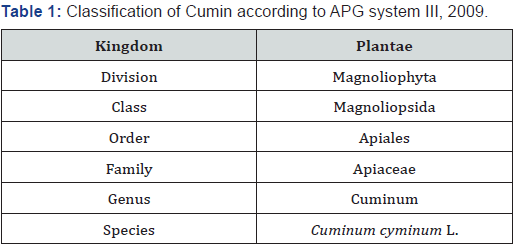
The plant was classified according to APG system III, 2009 (Table 1) [9].

Modern Applications of Bioequivalence & Bioavailability

Essential oil yield

The extracted cumin essential oil has dark yellow color, with an odor hot, powerful and spicy. The percentage yield of essential oil was calculated as per Moawad et al. [10], it is calculated on the weight basis. The equation is as follows: Volatile oil (%) = (Weight of the volatile essential oil recovered in g x 100)/Weight of sample taken in g. Yield estimation studies indicate that the value of essential oil was: 3.66%.

Physicochemical properties

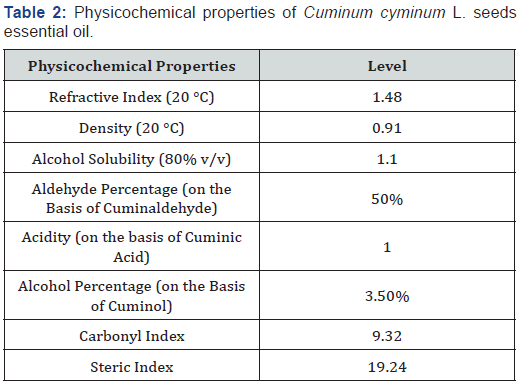
Essential oils must meet characteristics imposed by the laws of producing and exporting countries and by importing countries. These criteria are defined in international standards ISO (International Organization for Standardization) or French AFNOR (French Association of Normalization). Thus, the organoleptic and physical properties such as coloration, odor, refraction, solubility, flash point, but also chemical properties such as acid and ester indices are controlled [11]. Physicochemical properties of the essential oil obtained by hydro-distillation from Cumin seeds are summarized in Table 2.

Modern Applications of Bioequivalence & Bioavailability

Chemical composition

Due to the enormous amount of raw product used to make wholly natural essential oils, it is important to study the chemical composition of the volatile fraction once the essential oil is extracted. Essential oils are hydrophobic and concentrated liquids whose composition is complex. The best qualitative and quantitative identity card of an essential oil, however, remains its chromatographic profile, most of which is carried out in gas chromatography.

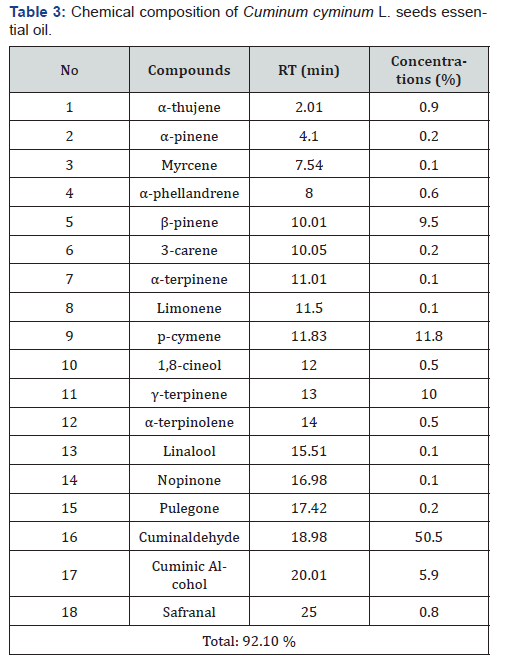
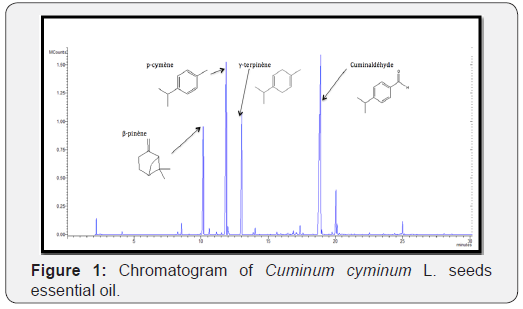
The chemical compositions of Cuminum cyminum L. essential oil are shown in Table 3, Figure 1. Eighteen (18) components representing 91.10% of the essential oil were identified. β-pinene (9.5%), γ-terpinene (10.0%), p-cymene (11.8%) and Cuminaldehyde (50.5%) were the major components.

Modern Applications of Bioequivalence & Bioavailability

The essential oil of the seeds of Cuminum cyminum L. from China was isolated by hydrodistillation in a yield of 3.8%. The chemical composition of the essential oil was examined by GC and GC-MS; 37 components, representing 97.97% of the oil, were identified. Cuminal (36.31%), cuminic alcohol (16.92%), γ-terpinene (11.14%), safranal (10.87%), p-cymene (9.85%) and β-pinene (7.75%) were the major components [12].

The main constituents at different harvesting time being cumin aldehyde (19.9-23.6%), p-mentha-1,3-dien-7-al (11.4-17.5%) and p-mentha-1,4-dien-7-al (13.9-16.9%). The results of GC and GC/MS analysis showed that the fruits should be harvested at the ripe stage for ideal volatile oil yield and composition [13].

GC and GC-MS analyses of the essential oil of Cuminum cyminum L. from the Alborz Mountain range of Iran revealed contained α-pinene (29.2%), limonene (21.7%), 1,8-cineole (18.1%), linalool (10.5%), and α-terpineole (3.17%) as the major compounds [14].

Cuminum cyminum L. seeds essential oil was isolated by hydrodistillation method and the chemical composition was determined by gas chromatography-mass spectrometry (GC/MS). The yield of the oil was found to be 3.0% (on dry weight basis). A total of twenty-six components, representing 96.7% of the oil were identified. Cuminaldehyde (49.4%), p-cymene (17.4%), β-pinene (6.3%), α-terpinen-7-al (6.8%), γ- terpinene (6.1%), p-cymen-7- ol (4.6%) and thymol (2.8%) were the major components in the oil [15].

Composition of the essential oil, which was obtained from the seeds of Cuminum cyminum L. collected from Ilam, was determined by GC-MS. In total, 25 components (83.36%) of essential oil were identified. Major constituents were Isobutyl isobutyrate (0.45%), α-thujene (0.5%), α-pinene (30.12%), sabinene (1.11%), myrcene (0.34%), γ-3-carene (0.21%), p-cymene (0.6%), limonene (10.11%), 1,8-cineole (11.54%), (E)-ocimene (0.1%), γ-terpinene (3.56%), terpinolene (0.32%), linalool (10.3%), α-campholenal (1.76%), terpinene-4-ol (0.6%), trans-carveole (0.7%), geraniol (1.0%), linalyl acetate (4.76%), α-terpinyl acetate (1.8%), neryl acetate (1%), methyl eugenol (0.2%), β-caryophyllene (0.42%), α-humulene (0.3%), spathulenol (0.56%) and humulene epoxide II (1%) [16].

The essential oil content in cumin samples from Serbian market ranged between 2.0 and 4.0%, with 22 identified compounds, among which the most abundant were cumin aldehyde, β-pinene, γ-terpinene, γ-terpinene-7 al and p-cymene. Post-distillation cumin seeds waste material that remained after the essential oil extraction contains total polyphenols of between 30.1 and 47.5 mg GAE/g dry extract, as estimated by the Folin Ciocalteu method. Hydroxybenzoic and hydroxycinnamic acids, as well as glycosides of flavonones and flavonoles, are the dominant polyphenols [17].

The major constituents of the essential oil from the cumin fruits under different conditions of storage were cumin aldehyde belonging to oxygenated monoterpenes and p-cymene, and β-pinene belonging to monoterpene hydrocarbons. Results indicated that at room temperature, the proportions of compounds with lower boiling temperatures such as β-pinene (1.57-10.03%) and p-cymene (14.93-24.9%) were decreased; however, cumin aldehyde (45.45-64.31%) increased during cumin oil storage [18].

The GC-MS analysis of cumin oil showed that eleven constituents were identified; seven hydrocarbon monoterpens (33.09%) and four oxygenated monoterpens (66.92%). The monoterpens were α-thujene (0.41%), α-pinene (0.90%), β-pinene (10.72%), β-myrcene (1.27%), α-phellandrene (1.18%), p-cymene (3.54%) and γ-terpinene (15.07%), and oxygenated monoterpens identified were cumin aldehyde (21.10%), carboxaldehyde (5.34%), 2-caren-10-al (17.74%) and cumin alcohol (22.65%) [19].

This deviation from the common chemo-types may be attributed to the effect of the factors that specifically affect the composition and yield of the essential oil, which include seasonal and maturity variation, geographical origin, genetic variation, growth stages, postharvest drying and storage [20-23].

Conclusion

Cumin (Cuminum cyminum L.) is the second most popular spice in the world, after black pepper, and used as a medicinal plant for aromatherapy and various illnesses. Determination of the physicochemical characteristics of the oil may establish by measurement of extraction yield, refractive index, density, carbonyl and steric indexes together with aldehyde, alcohol and acid contents.

In the chemical profiling, eighteen (18) components representing (91.10%) of the essential oil were identified, of which Cuminaldehyde with a concentration of (50.5%) was the main constituent, the physicochemical properties of the essential oil were also subjected to study (measurement).

Essential oils have become in recent years a matter of considerable economic importance, with a constantly growing market whose fields of application are directly related to human consumption. This is why essential oils are more and more controlled in order to verify the presence of certain natural toxic compounds, their natural or non-natural origin, their source and the presence of certain active compounds and even though the plant biomass a very promising source for the future, very little works has been done on the study of the organoleptic and physicochemical properties of aromatic fractions of cumin. Due to its chromatographic profile, the essential oil extracted by hydrodistillation of this plant has organoleptic and physicochemical properties very appreciated in perfumery and will be very coveted in the sector of the food, pharmaceutical and cosmetic industry.


Thursday, December 3, 2020

Urban Informality, Post-Disaster Management, and Challenges to Gender-Responsive Planning in Haiti Since the 2010 Earthquakee - Juniper Publishers

 Annals of Social Sciences & Management Studies - Juniper Publishers

Abstract

Haitian officials, in line with most country leaders around the world, announced a series of health, hygiene and safety precautions following the COVID-19 global pandemic early in 2020. The tiny nation (10,714 square miles) situated on the island of Hispaniola, still recovering from the devastating 2010 earthquake, which claimed the lives of close to two hundred thousand people, seemed prepared to take on the challenges of COVID-19. Businesses and schools immediately closed, face masks and hand sanitizers were distributed by the thousands. But the effects of emergency injunctions that were not geared towards capacity-building, but rather prevention of rapid infectious disease transmission, could prove debilitating for the impoverished nation over the long-term. Primary and secondary school enrollment rates in Haiti are at an all-time low, and projections for the Haitian economy are dismal (-3.5% GDP growth 2020f) (World Bank 2020: 27). As a retrospective study, this paper conducts a critical quantitative and qualitative analysis of humanitarian aid, gender-based violence, and urbanism in Haiti, revealing that gender-responsive planning has a greater role to play in state-led disaster management plans and procedures for achieving long-term equity and sustainable economic growth.

Keywords: Urban informality; Gender-Based Violence (GBV); Gender-Responsive Planning; Humanitarian aid; Earthquake; Haiti

Research Article

Le Nouvelliste reported that emergency units at l’Hôpital de l’Université d’État d’Haïti (HUEH) (State University of Haiti Hospital) were overwhelmed by the COVID-19 pandemic in early spring 2020. With no quarantine units at HUEH and only 37 of 124 ICU beds nationwide meeting international ICU standards for a country of more than 10 million people [1], critical care units could not meet testing and treatment requirements of COVID-19 patients. How was it possible that nearly a decade after receiving more than 300 million USD from intergovernmental agencies for capacity-building projects, the Haitian healthcare system was operating with only 37 ICU beds? Following the January 12, 2010 earthquake, the Interim Haiti Recovery Commission (IHRC) was established to manage the implementation of aid programs in Haiti. Operating with over 300 million USD in funding from the U.S. government, the IHRC, co-chaired by the Government of Haiti (former Haitian Prime Minister Jean-Max Bellerive) and the UN Special Envoy to Haiti (former U.S. President William J. Clinton), had as its mandate: 1) Creation of new jobs in textile and manufacturing; 2) Support for people with disabilities; 3) Development of microfinance opportunities for small businesses; 4) Expansion of the Haitian public education system with support from the Inter-American Development Bank (IADB) and USAID; 5) Resettlement of displaced persons; and 6) Major debris removal [2,3]. When the IHRC’s mandate expired on October 21, 2011, little progress was made on the aforementioned. During the tenure of the IHRC, limited attention was given to soft infrastructure—the political and social systems in Haiti, weakened by decades of political instability and violence—and the important role that Haitian women have played in Haiti’s critical care and rebuilding processes.

Gender-responsive planning calls for a defined gender-focused plan or system that includes the linkages between public policies, resources, social capital, and gender [4]. Gender-responsive planning, policies, and approaches can include measures that take into account the special needs of women and girls in health care delivery and access; enhanced provisions for women in negotiating land use agreements; and guidelines for protecting women and girls under the judiciary and police force [5]. This article is a study on gender-responsive planning in a post-disaster context through an analysis of intergovernmental and non-governmental agencies and their partial successes and failures in Haiti. Ultimately, this work offers a framework for understanding the multiple impacts of urban informality and gender-based violence (GBV); and theoretical approaches for managing weak state failure and aid effectiveness through gender-responsive planning.

Urban Informality in International Development

Urban informality and informal economy are the byproducts of prescriptive and reactionary state and inter-organizationled economic and social reforms. Structural adjustment reforms forwarded by the World Bank and IMF as solutions to poverty and debt promoted liberalization and privatization schemes throughout the 1980s and 1990s in Latin America and the Caribbean, Asia, and Africa. Structural adjustment reforms enticed new investments in manufacturing and cheap labor to meet the demands of international trade and quick output. However, economic deregulation also meant lowered wages and limited social protections, forcing many households into poverty and the rapid urbanization of cities unprepared to meet the basic needs (water, sanitation, housing) of poor, rural, migrants in search of jobs in cities. Urban informality soon translated to people adapting to life in impoverished conditions outside of formal laws or sanctions. Some development economists like Hernando De Soto [6] might celebrate urban informality as a reflection of human agency and innovation amidst poverty, political oppression, and instability. While other international development theorists might point out that urban informality raises issues related to exclusion from formal markets and distributive justice—who gets to own property and who does not? [7]. Examples of urban informality include informal housing subdivisions in the Global South, like tent cities in Haiti, squatter settlements in India, or favelas in Brazil—that although formed through cooperative land agreements between individuals and families over decades, remain in violation of land use laws. Extralegal transactions in urban informal economies are frequently conducted under the auspices of formal state officials, who sometimes participate in informal markets for their own benefit. In Pakistan, “Karachi middlemen” serve as informal intermediaries between poor migrants, squatters, shopkeepers, and local authorities [8]. In the late 1940s, Karachi experienced a swell in rural-urban migrants, partly because of rapid growth in Pakistan’s textile and manufacturing industry promoted under the Colombo Plan in 1951 for the Asia-Pacific region and Pakistan’s Five-Year Plans, installed under the first Prime Minister of Pakistan Liaquat Ali Khan in 1948 (ending around 1998-1999). Where city and state officials were not financially or politically equipped to deal with major shifts in population demographics, housing and employment demands, middlemen came into play [8]. Middlemen would meet the needs of low-income migrants in Karachi, by collecting subsistence payments. These payments were then exchanged through bribes or pay-offs for “rights” to create and manage informal settlements and activities around the city [8]. While the activities of modern-day middlemen have shifted to meeting the consumerist aspirations of Karachi’s growing middle-class, the continued influence of middlemen as community stakeholders reinforces the idea that urban informality produces both positive and negative externalities within middle and lowincome state development.

The amalgamation of poor migrants and limited formal employment opportunities, peri-urbanization, privatization during the 1980s under El Gran Viraje (The Great Turnaround), work stoppages, and public strikes created Venezuela’s presentday barrios, or urban informal settlements that are now permanent fixtures across the principal city of Caracas. With President Chavez’s election in 1999 and social policy reforms implemented under his administration, rates of poverty, extreme poverty, and households in poverty saw an overall decline in Venezuela: “the percentage of households in poverty declined by more than half, from 54 percent in the first half of 2003, to an estimated 26 percent at the end of 2008” [9]. Yet, the aftershocks felt from repeated coup attempts (1992; 2019) have left the oilrich nation still struggling to manage a deep debt crisis and social unrest in the barrios.

Urban Informality in Haiti

Well before the 2020 COVID-19 pandemic and 2010 earthquake, informal networks and informal aid substituted much of the core state planning operations in Haiti. Like Venezuela and Pakistan, urban informality in Haiti (Figure 1) was largely the outgrowth of structural adjustment reforms instituted in the 1980s and 1990s by the World Bank and IMF, which encouraged decentralization and privatization of public goods and services [10]. Peri-urbanization, tent cities, shadow police forces, and extralegal transactions for transport (tap taps), housing, and food comprise urban informal economy in Haiti. A 2002 report from the World Bank Report posed the question: “Is Haiti a decomposing state?” “Est Haïti un état en decomposition?” The short answer from the authors was no. The longer conclusion was that poverty, informal economy, political instability, limited health and hygiene services, informal unemployment and a weak judiciary system made funds for poverty reduction ineffective, and Haiti susceptible to persistent economic decline.

Informal Economy

Urban informality in Haiti operates as a socio-cultural informal sub-economy with domestic and international informal actors managing violence, cultural and social customs, and abject poverty. Haiti’s informal actors can be likened to “informal street-level bureaucrats”—who relying on trust, loyalty, and reciprocity build formal ties with local officials to meet demands such as food, health care, and housing in the community. Michael Lipsky’s pioneering work on street-level bureaucrats in Streetlevel Bureaucracy: Dilemmas of the Individual in Public Services [11] posited that street-level bureaucrats exercised a great level of discretion over the implementation of public policies. A social worker, for example, enrolling clients into health care plans or unemployment insurance at a one-stop center in the United States must determine client eligibility through assessments and interviews. In the absence of a strong state apparatus, informal street-level bureaucrats make similar determinations, but operate with higher transaction costs because of the heightened likelihood of misinformation, corruption, and lack of social insurance or protection.
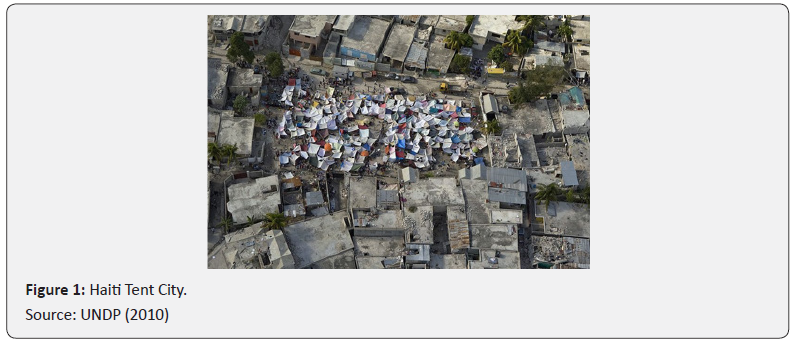
Haiti’s “informal street-level bureaucrats” were present in the days, months, and years following the 2010 earthquake, managing donations, housing, and security around tent cities. After the 2010 earthquake, nearly 40% of residents in temporary camps reported receiving informal aid, like cash remittances, from informal sources like relatives and friends—not government agencies or local authorities—while 32% received no material assistance at all [12]. Formal assistance came in the form of donated tents and tarpaulins from agencies like the World Bank, the Red Cross, Catholic Relief Services, Islamic Relief, and Doctors Without Borders [12].

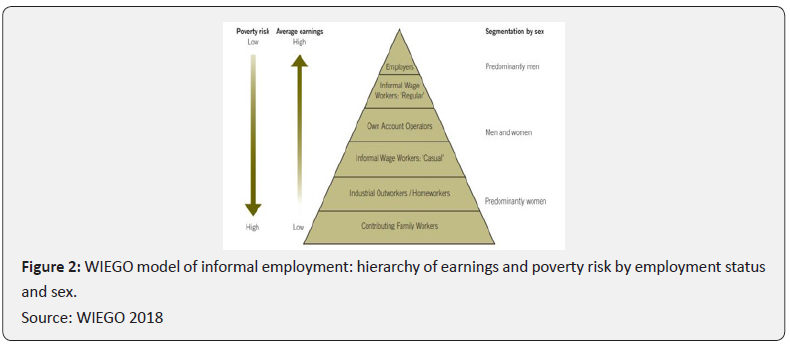
Aid in the form of cash remittances is common in developing countries: “In 2018, over 200 million migrant workers sent $689 billion back home to remittance reliant countries, of which $529 billion went to developing countries” [13]. Aid from “home” through informal channels is perceived to be more reliable, cheaper, and under less public administrative scrutiny. A 2003 survey on remittances in South Africa found that “remittances up to R250 to neighboring countries cost R25 and R50, through friends and taxi drivers, respectively, as compared with over R100 through registered banks and over R80 through money transfer agents like MoneyGram and Western Union” [14]. Informal aid remittances have also driven the development of mobile banking technology in the Caribbean, Asia, and Africa as the preferred channel for informal cross-border remittances, which increased to 51.8% in 2015 [15]. Remittances to Haiti via formal channels reached 3.3 billion USD in 2019, almost 37% of the country’s GDP [16]—unrecorded transfers of money through couriers though are projected to be higher [17]. The overall trend towards informal aid remittances over the past two decades reflects a growing Haitian diaspora and new technologies, outside of traditional banking, that have facilitated informal aid assistance. Informal economy through aid remittances however provides no viable opportunities for formal employment or investment back into the local economy. Rather, low wage workers in the informal sector—especially women, employed as domestic workers, waste pickers or street vendors—are subject to higher incidences of economic and physical violence in abusive workplaces (Figure 2). Occupational gender segregation in the neoliberal era reflects a gendered provisioning of goods, services and labor—or what economist Nancy Folbre [18] calls “economies of care” that are poorly regulated.

In Haiti, irregular and informal work has exposed women to workplace violence and economic hardship with limited alternative options. Surveys from the Haitian Institute of Statistics and Information Sciences (IHSI) between 1990 and 2000 showed that structural unemployment in Haiti was due in large part to the prevalence of low skilled informal work and occupational gender segregation. Women made up 60.7% of the unemployed population, and men 43.1% [19]. Nearly 44% of all households were female headed households, with women and girls employed in the informal sector to varying degrees as cooks, nannies, or housekeepers [19]. Young Haitian women and men seeking new formal employment opportunities were often recruited through informal channels to work in “bateys,” or sugar mill camps, in the Dominican Republic, under the guise that they would eventually receive formal citizenship status and economic rights as regular wage earners. However, work in the bateys is typically dangerous and laborers are often given fraudulent working papers that make it almost impossible to regularize their status as agricultural employees.
Gender-Based Violence (GBV) and Urban Informality

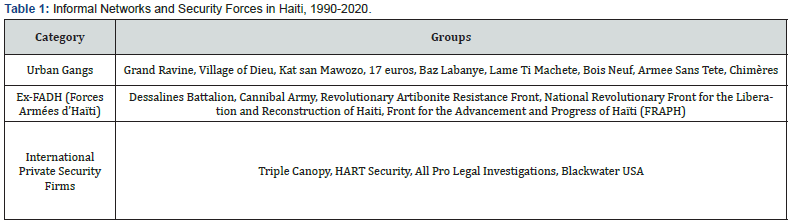
The 2006 film Ghosts of Cité Soleil, which introduced the world to “Lele” Senlis, a French aid worker, and the leaders of Chimères “Ghosts,” a notorious gang in Haiti’s Cité Soleil slum, revealed the prominence of contemporary urban gangs in Haiti. In the months following the 2010 earthquake in Haiti, international private security officers, urban gangs like the Chimères, and ex- FADH (Forces Armées d’Haïti—FAd’H) paramilitary units took to patrolling Haiti’s tent cities and surrounding neighbourhoods (Table 1) —sometimes in concert with, or compensating for the Haitian National Police (HNP), already strained from limited funding and tensions from political violence [20]. Informal security networks and private security firms attending to foreign dignitaries and UN peacekeeping forces committed or ignored acts of gender-based violence in Haiti after the 2010 earthquake. Doctors Without Borders reported treating two hundred and twelve survivors of sexual and gender-based violence (GBV) five months after the January earthquake [21,22]. The United Nations Stabilisation Mission in Haiti (MINUSTAH), which ended its thirteen-year mission in Haiti in 2017, came under fire for accounts of sexual abuse involving Haitian children. Research studies published in 2019 found that MINUSTAH personnel had fathered hundreds of children, nicknamed Petit-MINUSTAH, “little MINUSTAH,” with Haitian women and adolescents. Some families had also received small allowances for child rearing from MINUSTAH officials [23,24]. Instead of focusing on the underlying causes of GBV in tent cities linked to informal security personnel, and the spread of misinformation stemming from poor social and economic supports, the IHRC, MINUSTAH, and other UN agencies continued to argue that poverty, prostitution, and living conditions in tent cities were to blame for the increase in rates of GBV. In a January 16, 2011 press release, CEO of the UN Foundation, Kathy Calvin wrote, “[Camp residents] need lighting so that women and young girls can feel safer when walking to the latrines… That is why the United Nations, the UN Foundation, and other partners are distributing solar-powered lights to camps” [25]. Solar powered lights, while well-intentioned, were a band-aid solution to the systemic violence, corruption, and mishandling of GBV incidents throughout Haiti’s tent cities and slums. Managing urban informality and GBV in Haiti’s tent cities would prove pointless, so long as root-cause factors like systemic exclusion of Haitian women’s organizations and misreporting of data, budgets, and GBV were not addressed.
Gender-Responsive Planning

The unplanned and unplannable are frequently the outcomes of unequal power relations expressed through state action or inaction. Gender-responsive planning (Figure 3) as a mechanism for state intervention, stresses a critical overhaul of country assessment plans to include sex-disaggregated data, time use studies, and strategic gender needs alongside practical gender needs. Consensus on gender-responsive planning as a quantitative and qualitative methodological approach to state planning, monitoring, and evaluation plans grew out of the 1995 Beijing Declaration and Platform for Action. The Platform reaffirmed the “human rights of women and of the girl child as an inalienable, integral and indivisible part of all human rights and fundamental freedoms” (1995 Beijing Platform for Action: 2). The Platform also urged government leaders to:
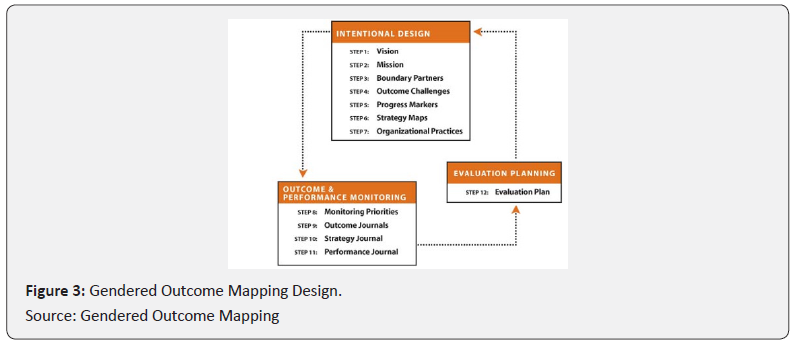
Gender-Responsive Planning The unplanned and unplannable are frequently the outcomes of unequal power relations expressed through state action or inaction. Gender-responsive planning (Figure 3) as a mechanism for state intervention, stresses a critical overhaul of country assessment plans to include sex-disaggregated data, time use studies, and strategic gender needs alongside practical gender needs. Consensus on gender-responsive planning as a quantitative and qualitative methodological approach to state planning, monitoring, and evaluation plans grew out of the 1995 Beijing Declaration and Platform for Action. The Platform reaffirmed the “human rights of women and of the girl child as an inalienable, integral and indivisible part of all human rights and fundamental freedoms” (1995 Beijing Platform for Action: 2). The Platform also urged government leaders to:

Analyse, from a gender perspective, policies and programmes - including those related to macroeconomic stability, structural adjustment, external debt problems, taxation, investments, employment, markets and all relevant sectors of the economy - with respect to their impact on poverty, on inequality and particularly on women; assess their impact on family well-being and conditions and adjust them, as appropriate, to promote more equitable distribution of productive assets, wealth, opportunities, income and services…(g) Provide adequate safety nets and strengthen State-based and community-based support systems, as an integral part of social policy, in order to enable women living in poverty to withstand adverse economic environments and preserve their livelihood, assets and revenues in times of crisis; (1995 Beijing Platform for Action: 20-21)

Substantial scholarship on applied approaches to genderresponsive planning support the 1995 Platform for Action. Caroline Moser’s triple roles theory [26] and Naila Kabeer’s Social Relations Approach (2005) for example provide a conceptual framework for understanding gender-responsive planning as the “interrelationship between agency, resources, and achievements” and power sharing (Kabeer 2005: 15). Moser’s triple roles theory describes how women are simultaneously reproducers, community managers and wage earners [26]. Kabeer’s Social Relations Approach explains that “social relationships…govern access” to resources, labor, time, and services (Kabeer 2005: 13). This scholarship has helped advance a greater understanding of the consequences of transnational families, transnational motherhood, social capital, female headed households, division of labor, and female migrant networks. UN agencies have endeavored to improve research on unpaid care work and the socioeconomic contributions of women and girls in low- and middle-income countries. Additionally, the push for more sex-disaggregated data and time use studies through gender-responsive planning over the past two decades has created a new field of opportunities for critical research and intervention from NGOs and non-profits around the world. In the Republic of Korea, researchers found that unpaid care work was “equivalent to 4,407% of the value of paid care work” [27]. On transnational families and public security, the Romanian NGO Alternative Sociale determined that when mothers migrated, despite a private care market of babysitters, tutors, and surrogate care takers, there was still an increase in rates of school absenteeism and dropouts [28]. This research has encouraged the creation of new programming in education, maternal care, food security, and criminal justice to support women, parents, and girls globally.

Creating Opportunities for Gender-Responsive Planning in Haiti

Sociocultural Factors

Sociocultural factors have played an important role in shaping how officials, citizens, and institutions in Haiti document and respond to GBV, complicating traditional gender-responsive planning methods and approaches. Women in certain trade unions and industries cited sexual harassment from peers and supervisors, but many victims were either reluctant to report the harassment or reports were disregarded by authorities as “hearsay” [19]. Fear of reprisals, pressure, stereotypes, and prejudice from the victim’s family or the perpetrator’s family were also factors that impacted reporting and accountability on GBV. A 2016-2017 “Mortality, Morbidity and Use of Services Survey in Haiti” Enquête Mortalité, Morbidité et Utilisation des Services en Haïti (EMMUS) for instance found that of the 14,371 Haitian women surveyed between the ages of 15 and 49, more than 54% never sought out help or spoke to anyone about incidences of emotional, sexual or physical violence (EMMUS 2018: 17). Uneducated and poor Haitian women were also less likely to receive information from clinics on STDs and HIV/AIDS prevention and to negotiate protected sex with partners, increasing the likelihood of “survival sex” and other risky behavior [19] Of the approximately 150,000 adults living with HIV/AIDS in Haiti, 87,000, or 58% were women in 2018. New infections were more prevalent among young women between the ages of 15 and 24—1600 new HIV/AIDS infections in 2018 were among young women, less than 1000 new infections were reported among young men (UNAIDS 2018).

Structural Factors

Building on momentum from the 5-year plan (2006-2011) established by the “Concertation Nationale Contre les Violences Faites aux Femmes,” “National Convention Against Violence Against Women” organized by the Haitian Ministry of Women’s Affairs, the Haitian Ministry of Health, and Prime Minister Gérard Latortue, Haitian women’s organizations attempted to join programming efforts of the UN GBV Sub-Cluster post-earthquake [29]. However, their attempts were blocked by the UN GBV Sub- Cluster [21]. In a joint report to the UN Human Rights Council in April 2011, the international human rights organization, MADRE, in partnership with Commission of Women Victims for Victims (KOFAVIV), Women Victims, Standing (FAVILEK), and National Coordination for Victims Direct (KONAMAVID) produced a report titled “Limited Access to Medical Services, Lack of Adequate Security in the Camps or Police Response, and the Exclusion of Grassroots Organizations” on the alarming situation of GBV in Haiti post-earthquake [21]. MADRE and its collaborators also argued that rejecting Haitian women’s groups violated the Inter-American Convention on the Prevention, Punishment and Eradication of Violence Against Women (“Belém do Pará”), UN Security Council Resolution 1325 and the UN Guiding Principles on Internal Displacement.

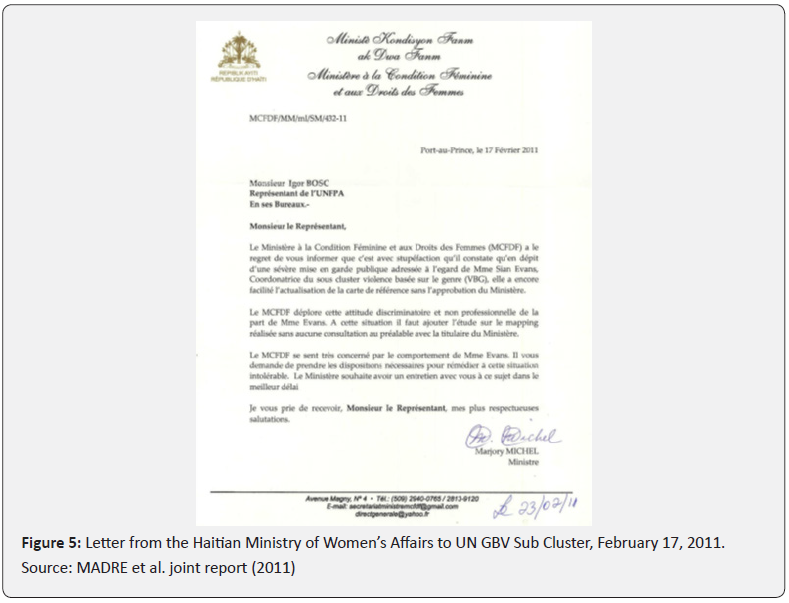
In a letter from the Haitian Ministry of Women’s Affairs to the UN GBV Sub Cluster dated February 17, 2011, Minister of Women’s Affairs Marjory Michel decried the deplorable conditions of Haitian women and girls in tent cities—noting limited UN support for women and girls on the ground and exclusion of Haitian women’s organizations from UN planning and procedures post-earthquake (Figure 4). However, with almost no accountability measures in place to ensure transparency or a formal response, the letter was ignored by the UN GBV Sub Cluster [21]. Reported feelings of disrespect and mistrust set the tone for many of the negotiations and meetings amongst Haitian and foreign leaders following the 2010 earthquake—with even President René Préval lamenting, right after the earthquake, that the only people who seemed to be with him were journalists trying to snap pictures of dead bodies [30]. The crisis of leadership in Haiti had a direct impact on the limited interventions of the IHRC. Early on, the IHRC 2010 Project Proposal, responding to the concerns of grassroots women’s organizations, had in fact integrated a section on “Protection, Care and Support for Women who are Victims of Violence in Haiti.” But the proposal suffered from three key omissions: 1) a funds disbursement strategy for the 10.6 million USD budget 2) an actionable timeline with steps towards GBV prevention programming 3) Haitian partners or NGOs that could assist with program implementation (Figure 5). Weakened by organizational mismanagement, and funds directed towards other immediate crises (like food, medicine, and sanitation), the IHRC ended its mandate as a missed opportunity to develop new institutions or programs in education and health care that could have benefitted Haitian men, women, and children past the 2010 earthquake.

Socio-political Factors

In the years before the 2010 earthquake, Haitian women and Haitian women’s associations were severely underrepresented within the legislative bodies of the Haitian government and administrative positions of power. In “1990, the number was down to 34 elected women: five as mayors, 17 as second member of the Board and 12 as the third member. In 1997, only 6 of the 127 mayors were women. In 2000, there was a slight increase, with 25 women being elected mayors in four Departments” [19]. In the 2015-2016 elections, the Institute for Justice & Democracy in Haiti reported that women still remained underrepresented in politics: “In the August and October, 2015 elections, 22 out of 232 senatorial candidates were women (12 percent)…Of the Chamber of Deputy candidates, 129 out of 1621 were women (8 percent)” [31]. Political activist and economist, Myriam Merlet who died in the 2010 earthquake, argued that generally structural sexism made it difficult for women to consider political careers in Haiti. According to Merlet, systemic biases, women with lower levels of educational attainment, and widespread beliefs that politics are too “dirty” and dangerous for women contributed to low rates of political participation [32]. To overcome structural sexism would necessitate a greater focus on strategic gender needs at all levels in government, health care, economy, and society. Whereas practical gender needs are based on survival—“a response to an immediate perceived necessity” “formulated from the concrete conditions women experience” [33]—strategic gender needs refer to power relationships in the delivery of health and human services.

Strategic Gender Needs

Oftentimes, practical gender needs attract more attention and funding during crises and disasters since they relate to human survival. However, strategic gender needs are “those needs which are formulated from the analysis of women’s subordination to men, and deriving out of this the strategic gender interest identified for an alternative” [33]. Formal state officials mediate strategic gender needs “between state and civil society…within the family between men, women, and children”, which “has critical implications for the identification of the ‘room to manoeuvre’ to address strategic gender needs” [34]. Feminist epistemologies on planning and ways of understanding gender through social positioning compel a greater consideration of location, power, and the lived, relational experiences of men, women and children—to the extent “that practical gender needs only become ‘feminist’ if and when transformed into strategic gender needs” [33]. Stateapproved programs on women’s policies encourage the notion that a state agenda on “feminism” does have a place in public, political, popular discourse. Strategic gender needs move past binaries of “survival-necessity” to state-led initiatives and public programming on gender equality.

Implementing Strategic Gender Needs in the Haitian Context

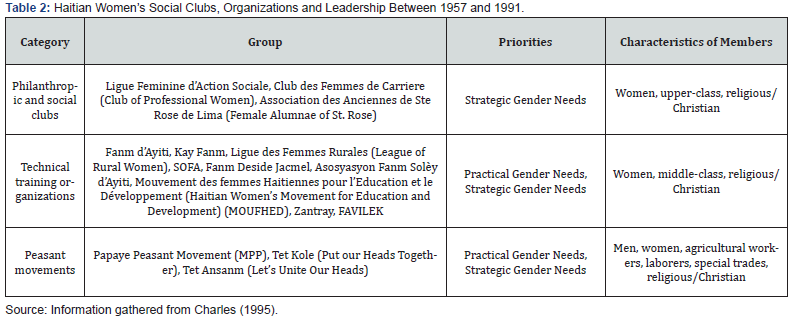
“State feminism” in Haiti was most visible throughout the Duvalier regime between 1957 and 1971. The Duvalier propaganda machine engaged women through political narratives like the “Marie Jeanne”—daughter of the revolution [35]. This increased politicization turned women from “political innocents” to “political agents” –which not only created a new role for upwardly mobile middle- and upper-class Haitian women in Haitian society and economy, but also unleashed a wave of terror against both men and women, considered enemies of the state [35]. In 1986, several weeks after the overthrow of Jean-Claude Duvalier (Baby Doc), who succeeded his father Francois Duvalier (Papa Doc) in 1971, thirty-thousand women, represented by over fifteen women’s organizations, assembled in Port-au-Prince to demand their inclusion in the newly formed democratic Haitian government [35]. In fact, theirs was the first demonstration following the overthrow of the Duvalier government. Haitian women were, as Myriam Merlet remarked, “[Revolting] against exclusion. The country was being remade and we didn’t want it to be remade without us ‘nou pa t vle peyi a ta refet san nou’ [36]. Grassroots pressure led by women’s organization in the 1980s led to new provisions for strategic gender needs. The Haitian Constitution in 1987 established new articles related to gender equality. Articles 16, 17 and 18 of the 1987 Haitian Constitution define citizenship as “the combination of civil and political rights … ‘all Haitians regardless of sex or marital status, who have attained eighteen years of age, may exercise their political and civil rights’ …‘Haitians shall be equal before the law, subject to the advantages conferred on native-born Haitians who have never renounced their nationality’” [37]. In the early 1980s, women’s groups grew alongside the Haitian government transitioning from dictatorship to democracy, representing a cross-section of goals and interests related to advancing women’s rights, housing, education, and workplace equality (Table 2). Some traditional women’s clubs, such as the Ligue, the Club des Femmes de Carriere (Club of Professional Women) focused on philanthropic efforts to raise awareness on promoting gender equality in the workplace and higher education [33]. Other groups, such as Fanm d’Ayiti, Kay Fanm and Ligue des Femmes Rurales (League of Rural Women), focused on practical gender needs, or “survival issues,” such as food and shelter. There were more groups like the Association des Anciennes de Ste. Rose de Lima (Female Alumnae of St. Rose) that offered a range of services that met both strategic and practical gender needs like training centres on healthcare for women and children, and education services for the poor [33]. Additional women’s groups that were active between 1987 and 1991 included associations like SOFA, FAVILEK, Fanm Deside Jacmel, Asosyasyon Fanm Solèy d’Ayiti, Mouvement des femmes Haitiennes pour l’Education et le Développement (Haitian Women’s Movement for Education and Development) (MOUFHED). These organizations soon coalesced into a powerful lobby in Haitian government. In 1990, the Lavalas Movement, the party platform for Haiti’s first democratically elected President, Jean-Bertrand Aristide, received the support of many women’s organizations [33]. Eight months after Aristide’s election though, a military-led coup d’état in September 1991 overthrew his presidency [10]. The women’s organizations that once flourished alongside the fledgling Aristide presidency and promises from the 1987 Haitian Constitution, quickly descended into turmoil. After the 1991 coup, paramilitary forces targeted organizations that promoted gender equality, burning down offices and destroying homes of suspected Aristide sympathizers [33]. In 1999, the UN Special Rapporteur on Violence Against Women, Radhika Coomaraswamy observed that “following the military coup d’état, Haitian women continue to suffer from …‘structural violence’, targeted at the most vulnerable and poor…between November 1994 and June 1999, the Ministry of Women’s Affairs and Women’s Rights registered 1,500 cases of girls between the ages of six and 15 who had been the victims of sexual abuse and aggression” [38]. In 1994, backed by a United Nations Security Council Resolution, Aristide returned to Haiti as president and established the Ministry for the Status of Women and Women’s Rights (MCFDF) (Ministry of Women’s Affairs) to address the socioeconomic status of women in Haiti. In alignment with the 1995 Beijing Declaration, the MCFDF designed the following platform: “Conceiving, developing and implementing a policy of equality between men and women based on dissemination of the gender perspective or analysis of social relations between men and women… Boosting the political role of the MCFDF within the State apparatus… Taking specific steps to promote and defend women’s rights.” [19] Plans for a gender-based assessment of budgets and expenditures were also in progress under the MCFDF, alongside campaigns for more women in elected office. However, a second coup in 2004, sent Aristide permanently into exile in South Africa, and left MCFDF close to dissolution. In the years after the 2004 coup in Haiti, there was a resurgence of violent attacks on women and girls. Reports published in The Lancet estimated that between February 2004 and December 2005, 19,000 per 100,000 girls were raped in Port-au-Prince [39].
State Violence and GBV

GBV as an instrument of pacification campaigns, state conflict, and warcraft has long been part of country rebuilding and wartime narratives. During the “Rape of Nanjing” between 1937 and 1938 for example close to 20,000 women reported being raped in China. Janjaweed militias in Sudan have commanded gender-selective killings of millions since the early 2000s. In Brazil, military occupations of favelas Complexo do Alemão and Vila Cruzeiro under “pacification police units” leading up to the World Cup (2014), have led to thousands of unreported deaths, rapes, and kidnappings. On GBV and state violence in Haiti, Duramy’s [40]. extensive study found that the effects of French colonization and slavery could still be felt in the country—as skin color, dialect, gender, and property ownership play a significant role in exposure to and experiences of violence, starting at an early age. It is with great difficulty though that the experiences of GBV survivors, men, women, and children, are accounted for in tribunals, commissions, or peacekeeping operations—not for lack of technical expertise on the part of mediators, activists, and other practitioners, but for lack of political will. Gender-responsive planning in state development has occupied a marginal role in war tribunals, economic development, and state planning, because it often calls for perpetrators of GBV, and other corrupt and incompetent officials to face prosecution, exile, or sanctions. Often, these perpetrators are politically well-connected or hold military rank.

Conclusion

At a 1986 meeting on the status of Haitian women, Haitian human rights activist and scholar Suzy Castor declared: “During the long political life of Haiti as a nation, the contributions of women to the struggles against the oligarchy and for democracy were significant. Yet, their political roles have not been recognized. Like all the other ‘subalterns’ their history has been obscured. There is an historical erasure of [woman’s] condition” [33]. This erasure is intentional, owing to the legacies of postcolonialism, neoliberalism, and the culture of foreign aid dependency in Haiti and the rest of the Global South. Haitian history, in its ebbs and flows, has seen surges and declines in the visibility and participation of women in society and economy. With limited mechanisms to predict or even forecast natural disasters, pandemics, and armed conflict, greater attention must be paid to equity, instead of pre-emption in state planning. Equity in public policy administration and practice would resemble government bodies adopting methods to redress grievances while strengthening laws for accountability and transparency. Paul Collier’s Bottom Billion [41] and Dambisa Moyo’s Dead Aid [42] are two influential works that have shaped debates on equity, paternalism, conflict, and global governance over the past decade [43-52]. Collier maintained that many developing countries fall into the “conflict-trap,” where political instability and violence from domestic coups foster corruption; while Moyo specifically denounced the complacency of African leaders, who for years neglected investing in domestic financial markets and civil society, instead relying on humanitarian aid to resolve national crises. Gender-responsive planning thus presents as an opportunity to integrate equity into law and state practice to strengthen community resiliency in times of conflict and distress [53-65].


Tuesday, December 1, 2020

Mathematical Models for Precession of a Gyroscope with One Side Support - Juniper Publishers

 Robotics & Automation Engineering - Juniper Publishers 

Abstract

New research in the area of spinning objects has demonstrated a system of the eight inertial torques generated by the rotating masses acts on a gyroscope. The action of this system of interrelated inertial torques manifests all gyroscopic effects. New mathematical models for the inertial torques are used for solving of gyroscopic problems in engineering and presented in several publications. The analytical solution of these publications contains obscurity and vagueness in the mathematical model for the gyroscope precession motion. This model cannot be used for the direct computing of the precession motion. The latter one should be presented by the clear logic and physical principles of the interrelated action of the inertial and external torques. The expression of the precession torque should be presented by a component of the load torque acting on a gyroscope. The novelty of this work is presented by the modified mathematical model for the precession motion of a gyroscope with one side support that enables for the direct computing of the angular velocity. The new model well-matched with practical tests.

Keywords: Gyroscope theory; Precession; Test; Inertial torque

Nomenclature

g – gravity acceleration

e - base of natural logarithm

M –mass of a gyroscopeJ - mass moment of inertia of a rotor’s disc

Jy - mass moment of inertia of a gyroscope around axis y n – ratio of load and precession torque

Tp.x – precession torque acting around axis oy

Tr.x - resulting resistance torque acting around axis ox

t - time

γ - angle of inclination of a rotor’s axle

ω - angular velocity of a rotor

ωi - angular velocity of precession around axis i

Introduction

In engineering, rotating objects are presented by numerous mechanisms that manifest gyroscopic effects in which physics is not well described [1-4]. Gyroscopic effects play an important role in the dynamics of rotating objects and this is the reason textbooks and manuals of engineering mechanics necessarily contain chapters of gyroscope theory [5-9]. Numerous publications dedicated to gyroscopic effects and present different mathematical models for the gyroscope properties [10-13]. Nevertheless, known publications contain simplified analytical models for gyroscopic effects based on the principle of the change in the angular momentum that do not match practical tests [14,15].

Recent investigations of the physical principles of gyroscopic effects demonstrate the action of the system of interrelated inertial torques generated by a rotating mass of spinning objects [16-19]. The new mathematical models for the system of inertial torques produced by rotating mass constitute the fundamental principles of the gyroscope theory. The new publications related to inertial torques acting on gyroscopic devices contain the expression of the precession torque, in which a mathematical model cannot be used for direct computing of the precession motion. The latter is defined by the intermediate equation of the ratio of the angular velocities around two axes. The proposed manuscript presents modified mathematical models for the direct computing of the precession torque and motions around axes for a gyroscope with one side support.

Methodology

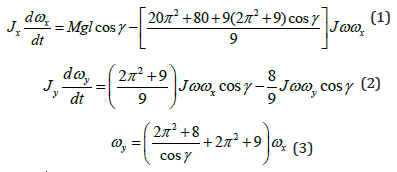
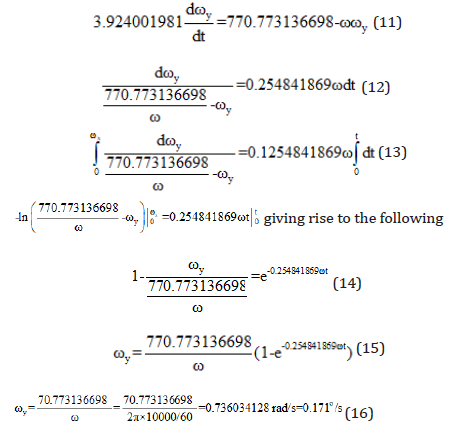
New mathematical models for the system of inertial torques generated by rotating mass and acted on the gyroscope are presented in several publications [16-19]. This system was used to formulate the mathematical models for motions of a gyroscope suspended from the flexible cord [17]. (Figure 1) demonstrates the acting torques on the gyroscope with the free one side support which results in gyroscope motions around axes ox and oy. The modified mathematical models of motions are presented by the following differential equations [17]:

where

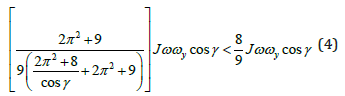
is the mass moment of gyroscope inertia about axis ox and oy respectively; m is a mass of rotating parts, R is the external radius of the rotor; ω<x and ω<y is the angular velocity of precession around axis ox and oy respectively; M is the mass; g is the gravity acceleration; l is overhang distance of the gyroscope center mass to the free support; J = (mR2/2) is the rotor’s mass moment of inertia about axis oz; γ is the angle of the gyroscope’s axle inclination and Eq. (3) presents the ratio of the angular velocities of a gyroscope around axes ox and oy. Equation (2) cannot be used for the direct solving of the gyroscope motion around axis oy because the expression of the precession torques (first component of the right side of Eq. (2)) contains the sign of the angular velocity ω<x . The expression of ω<x is defined from Eq. (3) and substituted into the expression of the precession torque (Eq. (2)) which value will be less than the value of the resistance torque generated by Coriolis forces. This physical discrepancy is expressed by the following inequality:

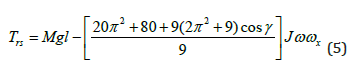
This inequality contradicts to the physical principles of acting torques because the precession torque generates the resistance torque acting around the same axis. The procession torque (Eq. (2) is generated by the action of the resulting torque Trs acting around axis ox that is presented by the right side of Eq. (1):

The value of the precession torque should be corrected by the principle of the conservation of the kinetic energy. Since the angular velocity of the gyroscope around axis oy is bigger than around axis ox then the value of the precession torque (Eq. (2)) should be proportionally increased on the ratio of the angular velocities (Eq. (3)) and decreased on the ratio of the precession and resistance torques. This transformation expresses the interdependency of load and inertial torques acting around two axes of the gyroscope motions. The ratio of the precession and resistance torques of Eq. (2) is presented by the following expression:

Defined parameters enable the presentation of Eq. (2) by the clear physical principles of acting torques and for the direct computing the angular velocity ω<y of the gyroscope around axis oy. The sign ω<x (Eq. (2)) is replaced by an expression that defined from Eq. (5):

Equation (7) is substituted into an expression of the precession torque (Eq. (2)), increased on the ratio of the angular velocities (Eq. (3)), and decreased on the ratio of the precession and resistance torques (Eq. (6)). Then the modified formula of the precession torque Tp.x is presented by the following expression:

Replacing the precession torque of Eq. (2) by Eq. (8) and transformation yield the equation for the gyroscope’s motion around axis oy:

where all components are as specified above. Equation (9) contains the component of the load torque and enables for direct computing of the angular velocity of gyroscope around axis oy.

Case Study

The mathematical model for the motion around axis oy of the gyroscope suspended from the flexible cord is considered for its horizontal location (cos0o = 1.0). All defined technical data and parameters of the gyroscope are used for the case study [17]. Substituting the gyroscope data [17] into Eq. (9) and transformation yields the following expression:

The following solution is the same as presented in [17] which comments are omitted.

The obtained result is the same as presented in [17] and wellmatched despite some minor differences that can be explained by the accuracy in computing of the parameters for equations. Both equations yield the result of the action of inertial torques generated by the external one. This result is the validation of the correctness of Eq. (9) that can be used for the direct computing of the angular velocity of precession around axis oy.

Results and Discussion

The new analytical study of acting inertial forces on the gyroscope presented by mathematical models of inertial torques and new equations for gyroscope motions around axes. The mathematical model for the gyroscope precession motion does not allow the direct computing of the angular velocity around axis. It can be obtained by the intermediate equation presented by the ratio of the angular velocities around two axes. Practically, it is better to conduct the direct computing of gyroscope precession motion by the modified mathematical model for the precession torque that yields the same result as the known method. The new mathematical model of the precession motion is accepted as correct.

Conclusion

New studies in the area of gyroscope theory generated the new system of mathematical models for the inertial torques and motions of the gyroscope that can raise questions for clarifications. The equation for the gyroscope precession motion cannot be used for computing because contains only expressions of inertial torques. The uncertainties and vagueness in an analytical approach for the precession torque and motion of the gyroscope were resolved. The new model for the precession torque acting on the gyroscope contains the component of the load torque that generates all inertial torques. The modified mathematical model for the precession torque enables for direct computing the angular velocity of the gyroscope motion, clearly describes the physics of acting forces and validated by the practical tests.


Anthropology, Participatory Research and Development Cooperation: A Necessary Dialogue- Juniper Publishers

  Archaeology & Anthropology- Juniper Publishers Abstract Le domande sul “perché e per chi” if it generates conoscenza [1] sono da tempo...