Tuesday, February 6, 2024

Renal Implications of Acute Endocarditis: Exploring the Dynamics and Management of Glomerulonephritis as a Secondary Complication - Juniper Publishers

 Urology & Nephrology - Juniper publishers


Abstract

This article delves into the intricate landscape of glomerulonephritis secondary to acute endocarditis, a condition marked by the complex interplay of infectious, immunological, and renal factors. Addressing the evolving epidemiology and risk factors, it sheds light on the clinical manifestations that underscore the multifaceted nature of the disease. The diagnostic approach encompasses a comprehensive evaluation involving serological markers, blood cultures, and imaging studies, with renal biopsy crucial in assessing the severity of glomerular damage. The grim prognosis for renal function recovery necessitates nuanced therapeutic strategies, emphasizing the cautious use of immunosuppression and the importance of distinguishing this condition from other renal pathologies. The article highlights that a multidisciplinary approach involving cardiologists, infectious disease specialists, and nephrologists is paramount to developing tailored management plans. Exploring prevention and treatment strategies underscores the critical role of early initiation of pathogen-directed antibiotic therapy and vigilant monitoring for renal involvement. Ultimately, the article provides insights into the complexities of glomerulonephritis secondary to acute endocarditis, guiding early detection, prevention, and refined therapeutic interventions in this intricate intersection of infectious and renal pathology.

Keywords: Infective endocarditis; Glomerulonephritis; Renal complications

Abbreviations: IE: Infective Endocarditis; GN: Glomerulonephritis; RPGN: Rapidly Progressive Glomerulonephritis; ANCA: Anti-Neutrophil Cytoplasmic Antibodies; APSGN (Poststreptococcal Glomerulonephritis); MRSA (Methicillin-Resistant Staphylococcus aureus); ACE (Angiotensin-Converting Enzyme); ARB (Angiotensin Receptor Blocker); CIEDs (Cardiovascular Implanted Electronic Devices); RHD (Rheumatic Heart Disease)

Introduction

Acute Endocarditis is a severe and rapidly progressing inflammatory condition affecting the heart's inner lining, the endocardium. This disorder is characterized by the sudden onset of bacterial infection, leading to destructive lesions on the heart valves. It can include acute and subacute bacterial endocarditis caused by viruses, fungi, and other microorganisms [1-5]. Due to the evolving nature of the infecting organisms over time, diagnosing the disease in its early stages can be challenging. It is frequently misdiagnosed or delayed until a severe infection has already occurred. Infective endocarditis by Staphylococcus aureus is gaining more relevance [2]. Given the damage to the valve caused by infection, there is a significant risk of embolization, stroke, and secondary complications. Glomerulonephritis, linked to infective endocarditis, is on the rise in the reported cases in the literature [2]. Glomerulonephritis is a category of renal disease marked by immune-mediated harm to the basement membrane, mesangium, or capillary endothelium, resulting in symptoms such as hematuria, proteinuria, and azotemia [4]. Acute Glomerulonephritis may arise from an inherent renal factor or a secondary condition that induces renal manifestations.

For example, acute post-streptococcal Glomerulonephritis is a typical illustration of acute Glomerulonephritis resulting from a streptococcal infection [3,4]. Likewise, Glomerulonephritis can also be triggered by a staphylococcus aureus infection. Though infective endocarditis-associated Glomerulonephritis is classified under immune complex-mediated Glomerulonephritis, confirming the presence of infected necessities culture verification, and pinpointing the infection focus depends on imaging techniques such as echocardiography [3]. Furthermore, some cases test positive for anti-neutrophil cytoplasmic antibodies [3,4]. Apart from these findings, IgG and C3 deposits on the basal membrane were identified [1]. This study aims to pinpoint the risk factors linked to Glomerulonephritis during the management of infective endocarditis and to examine the impact of GMN on patient survival and long-term kidney function. The information in this article may help diagnose, treat, and prevent infectious heart disease and better understand the disease.

Etiology and Pathogenesis

The renal implications of acute endocarditis involve a complex interplay of pathological mechanisms. While earlier theories emphasized embolism, abscess formation, and bacterial clump-related lesions, contemporary understanding suggests an immunological basis for glomerulonephritis development. Various histological types, including endocapillary proliferative glomerulonephritis, membranoproliferative glomerulonephritis, and crescentic glomerulonephritis, are identified, often accompanied by reduced complement levels and immune complexes. Pauci-immune staining patterns are observed in a substantial percentage of cases [6].

High-titer ANCA positivity is associated with more extensive glomerulonephritis. Immunofluorescence microscopy shows irregular, granular staining for IgG, IgM, and C3-positive cases, indicating immune complex formation, sometimes IgA, with dominance of IgM. Electron microscopy reveals subepithelial, subendothelial, and mesangial deposits, correlating with the extent of proliferation seen in light microscopy. The pathogenesis involves circulating immune complexes in infectious endocarditis, supported by immunofluorescence and electron microscopy findings. At the same time, ANCA may play a role in cases with little or no immune complex deposition [7].

Epidemiology and Risk Factors

The estimated incidence of Infective Endocarditis (IE) was 13.8 cases per 100,000 subjects per year, and IE accounted for 66,300 deaths worldwide, according to a study from 1990 to 2019 [8]. Bacterial, viral, and parasitic infections are the most important triggers for developing acute Glomerulonephritis (GN). Endocarditis-associated GN is classified as an infection-associated GN. A significant paradigm shift in the epidemiology and bacteriology of infection-associated glomerulonephritides has occurred over the past few decades; Streptococcus was the principal agent. However, the number of cases due to staphylococcus has increased. The two most common are Staphylococcus (53%) and Streptococcus (23%) [9,10]. High-risk patients include those with previous IE, patients with prosthetic valves, patients with congenital heart disease, and patients with ventricular assist devices. Patients at intermediate risk of IE include those who have rheumatic heart disease (RHD), non-rheumatic degenerative valve disease, congenital valve abnormalities such as bicuspid aortic valve disease, cardiovascular implanted electronic devices (CIEDs), and hypertrophic cardiomyopathy. The use of intravenous drugs, diabetes, HIV infection, malignancies, and other conditions that can suppress immunity are additional risk factors for acute IE [11].

Clinical Manifestations

Glomerulonephritis secondary to acute endocarditis presents a clinical tableau characterized by systemic and renal manifestations. Patients typically exhibit symptoms of infective endocarditis, such as fever, malaise, and cardiovascular symptoms indicative of valvular involvement [12]. Concurrently, renal involvement becomes apparent, often manifesting as hematuria, proteinuria, and varying degrees of renal impairment [12-16]. Hypertension may ensue due to volume overload and activation of the renin-angiotensin system. Edema can develop secondary to fluid retention. The underlying pathophysiology involves the formation of immune complexes, primarily composed of circulating antigens related to infective endocarditis, depositing within the glomeruli. These immune complexes incite an inflammatory response, leading to endothelial damage and subsequent glomerular injury [14-16]. The diagnostic approach includes clinical evaluation, serological markers, blood cultures, and imaging studies to confirm endocarditis. Renal biopsy may be employed in select cases to ascertain the severity of glomerular damage, with early recognition and management of infective endocarditis being paramount in mitigating renal complications [12-16].

Diagnosis and Laboratory Evaluation

Laboratory evaluation of patients with glomerulonephritis associated with infective endocarditis should include renal function tests, urinalysis, and blood and urine cultures [17]. According to a 2015 report by Boils et al., the most common infectious agent found in blood cultures was S. aureus; the second was Streptococcus, and cultures were negative in 9% [18]. Trans-oesophageal echocardiograms and repeated blood cultures are recommended in patients with negative cultures [17]. Serologic findings in this study showed a decrease in complement activity in 56%, with reduced C3 only, reduced C4 only, or both in 37%, 3%, and 16%, respectively. Some patients also were reported with positive autoimmune serologies, mainly ANCA (28%) [18], and there is a report of positivity for PR3-ANCA and anti-GBM [19]. The primary pathology findings in endocarditis associated GN are focal crescents and necrotizing lesions. Immunofluorescence staining shows a variable degree of deposits comprising C3, with or without IgG. Patients with staphylococcal endocarditis might also have mild to moderate IgA deposits; however, a Pauci-immune pattern is also seen [17]. In the study mentioned above by Boils et al., electron microscopy shows mesangial (84%), subendothelial (45%), and subepithelial (35%) deposits, and rarely subepithelial humps [18].

Prevention and Treatment Strategies

Early initiation of pathogen-directed antibiotic therapy is essential in managing glomerulonephritis secondary to acute endocarditis, aiming to curtail bacteremia and the associated immune response contributing to nephritogenic formation [19]. The use of combination antibiotic regimens with bactericidal synergism is advocated to sterilize bloodstream infections rapidly. At the same time, definitive intervention, such as surgical debridement or device extraction, is crucial for addressing persisting infective foci, especially in infected cardiac valves. These measures aim to reduce circulating bacterial antigens, thus mitigating the perpetuation of immune complex generation [20]. It is imperative to concurrently avoid nephrotoxic co-exposures, such as moderating aminoglycoside courses, judicious use of IV contrast procedures, and limiting NSAID use. This approach preserves renal functional reserve in this vulnerable patient group [21]. Regular monitoring for signs of renal involvement, including urinalysis for hematuria and proteinuria, alongside serial assessment of serum creatinine for changes in filtration capacity, facilitates the early detection and treatment of glomerulonephritis before irreversible damage occurs [22]. Elevated serum levels of circulating immune complexes directly indicate active immune processes, highlighting the potential for renal deposition and injury if left untreated [23]. Some studies propose the initiation of prophylactic corticosteroid regimens at the diagnosis of endocarditis to mitigate downstream immune-mediated kidney injury potentially [24].

In cases where infective endocarditis patients exhibit signs of secondary glomerular disease, such as proteinuria or rising creatinine, first-line treatment involves corticosteroid agents like prednisolone at immunosuppressing doses (e.g., 1 mg/kg/day) to restrain inflammatory damage to the glomerular capillary units mediated by antibody binding, complement activation, and leukocyte influx [25]. Plasma exchange is a potent adjuvant therapy, directly eliminating circulating immune complexes and inflammatory mediators like cytokines, coagulation factors, and complement proteins [26]. Cytotoxic immunosuppressants like cyclophosphamide are recommended for aggressive or rapidly progressive glomerulonephritis resistant to the above interventions; this acts to arrest the proliferation and functional responses of leukocytes mediating glomerular inflammation while also impeding damaging proliferative changes in intrinsic glomerular epithelial and mesangial cells [27]. Simultaneous inhibition of the renin-angiotensin-aldosterone axis with ACE inhibitors or ARB medications is strongly advised, as this reduces proteinuria and intraglomerular pressure, thereby mitigating inflammatory glomerular injury [28]. In cases with substantial acute kidney injury and filtration compromise, temporary renal replacement therapy with hemodialysis may be required until the acute inflammation wanes and function stabilizes.

The prevention and treatment of glomerulonephritis as a secondary complication in the renal implications of acute endocarditis are critical considerations in contemporary medical practice. Early detection and the prompt initiation of appropriate antibiotic therapy are fundamental in preventing the progression of acute endocarditis to renal complications, such as post-streptococcal glomerulonephritis (APSGN) [21,31]. Ensuring the timely administration of antibiotics, guided by blood cultures and sensitivity testing, is imperative for eradicating the infectious agent and mitigating the risk of renal involvement. The infectious Methicillin-resistant strain of Staphylococcus aureus (MRSA) is often noted [21]. Rigorous monitoring of renal function through regular assessments of urine sediment, renal function tests, and imaging studies is essential for the early identification of glomerulonephritis in patients with acute endocarditis [30]. A contemporary multidisciplinary approach involving collaboration among cardiologists, infectious disease specialists, and nephrologists is crucial for developing a comprehensive management plan tailored to the individual patient's needs [27]. Treatment modalities may range from antibiotic therapy to oxygenation and dialysis, emphasizing ongoing surveillance for potential complications, including renal dysfunction, integrated into the long-term follow-up care of patients recovering from acute endocarditis; this underscores the importance of current research findings in shaping modern treatment strategies and the use of antibiotics [21].

Prognosis

The prognosis for renal function recovery in infective endocarditis-associated glomerulonephritis (IEAGN) is generally grim, as evidenced by outcomes in 83 patients with Staphylococcus-related glomerulonephritis. Approximately half of these patients faced adverse outcomes, encompassing persistent nephropathy or kidney failure, remission, persistent renal dysfunction, progression to end-stage renal disease, death, and cases with no recorded outcome. Risk factors contributing to an unfavorable renal prognosis include older age, diabetes mellitus, pre-existing renal dysfunction, glomerulosclerosis, and interstitial fibrosis. Heart failure accompanying infective endocarditis can further prolong nephropathy, complicating the overall prognosis [32].

Distinguishing IEAGN from ANCA-associated glomerulonephritis is crucial for effective treatment planning. Clinical distinctions, as highlighted by Bonaci-Nikolic et al., such as age differences and specific clinical findings, guide this differentiation. While extensive immunosuppressive therapies are standard for ANCA-associated glomerulonephritis, they should be avoided in IEAGN. In cases of IEAGN with necrotizing lesions or crescent formation, immunosuppression does not improve renal prognosis and is associated with increased mortality. Steroids may be considered in cases of prolonged glomerulonephritis, but antibiotic therapy is crucial for eradicating the infection. Renal biopsy is a valuable tool for assessing the chronicity of glomerulonephritis in uncertain cases. This summary underscores the challenging prognosis in IEAGN and emphasizes the importance of tailored therapeutic approaches based on accurate differentiation from other renal conditions [33]. The prognosis for infective endocarditis-associated rapidly progressive glomerulonephritis (IEAGN-RPGN) remains uncertain, with treatment primarily focused on antibiotics due to the risk of exacerbating infection with immunosuppressive therapy. While antibiotics alone may lead to renal disease resolution, the generally poor prognosis prompts consideration of steroids, supported by some case reports indicating their efficacy. In a study involving 11 IEAGN-RPGN patients, a higher percentage of those receiving steroids achieved complete recovery compared to those with partial recovery, suggesting a potential benefit [33]. However, due to the limited sample size, the role of immunosuppressive therapy in improving the prognosis should be further investigated, carefully weighing risks against potential benefits. The overall prognosis is contingent on the timely identification and management of the underlying infection [34].

Conclusion

This comprehensive exploration of glomerulonephritis secondary to acute endocarditis illuminates the intricate interplay of infectious, immunological, and renal factors contributing to the disease's pathogenesis. The evolving epidemiology, risk factors, and clinical manifestations underscore the complexity of this condition, emphasizing the imperative for a multidisciplinary approach in its diagnosis and management. The grim prognosis for renal recovery necessitates nuanced treatment strategies, cautious use of immunosuppression, and a clear distinction from other renal conditions. The article provides insights into early detection, prevention, and tailored therapeutic interventions while underscoring the ongoing challenges and the imperative for continued research to refine our understanding and enhance treatment outcomes in this intricate intersection of infectious and renal pathology.

To Know more about JOJ Urology & Nephrology
Click here: https://juniperpublishers.com/jojun/index.php

To Know more about our Juniper Publishers
Click here: https://juniperpublishers.com/index.php

Thursday, February 1, 2024

Self-Study with Online Platforms: A Comparative Analysis - Juniper Publishers

 Social Sciences & Management Studies - Juniper Publishers

Abstract

This study aims to conduct a comparative analysis of eight prominent online self-study platforms, namely Studyverse, Study Together, Bilibili, Twitch, Costudy, Lemon Study Room, Forest, and Flipd. Through the examination of the functions, characteristics, advantages, and disadvantages of online self-study platforms within their respective categories, this study seeks to address a research gap in comprehensive comparative studies of online self-study platforms. Each platform is analyzed in terms of its functionalities, social elements, gamification features, and personalization options. A comprehensive understanding of the landscape of online self-study platforms is provided by the findings of this study and empowers individuals to make informed choices based on their specific learning requirements and preferences. It can provide suggestions on enhancing self-study experiences in the digital age as well as implications about how to facilitate optimal platform selection for learners in the digital age.

Keywords: Self-Study; Online Platform; Online Study; Could Online Study; Learning Environment; Comparative Analysis

Introduction

As individuals increasingly turn to digital resources for personal development and learning, self-study platforms have gained significant popularity in recent years. These platforms offer a variety of features and functionalities to support self-directed learning, ranging from study tools and collaboration features to gamification elements and virtual study environments [1]. With the rise of self-study platforms, learners have access to a wide range of educational content and can create personalized learning paths tailored to their needs, preferences, and interests. This has revolutionized the way we learn, as learners are no longer limited to traditional learning methods. This has given learners more control over their own learning process, as they can choose what content to focus on, how to consume it, and how long to spend on it. This also allows learners to go at their own pace, as they can pause and revisit topics as needed. However, there is a lack of comprehensive comparative studies that compare the functions, characteristics, advantages, and disadvantages of different self-study platforms within their respective categories. This lack of information makes it difficult for learners to make informed decisions when selecting platforms for self-study [2].

The experience of taking online courses during the COVID-19 pandemic outbreak has made many students of different levels of education comfortable with online learning, which prompts them to consider self-studying online [3], which prompts them to consider self-studying online. This could potentially lead to more students enrolling in online courses in the future, as the convenience and flexibility of online learning is appealing to a wide range of students. This could also have a positive impact on educational institutions, as they could open up more courses and classes for students who would not have had the opportunity to attend in-person classes. For online self-study, students can access a wide range of material from multiple sources, allowing them to tailor their learning to their own interests and goals. Additionally, online learning can also be more cost-effective than traditional in-person classes, providing students with an affordable option to pursue their education. With this in mind, online self-study can be a great way to enhance one’s knowledge and skills, while still fitting into a busy schedule. It can also provide flexibility and access to materials that may not be available in a traditional classroom setting. In spite of the fact that online learning may not be ideal for group activities, students are attracted to its convenience and flexibility, particularly after having experienced online learning during COVID-19 [3,4].

Furthermore, the limited information available can lead learners to make uninformed or incorrect choices, which could ultimately hinder their progress and learning experience. Therefore, it is important for learners to be aware of the different platforms available and the features they offer in order to make an informed decision. Doing research and asking for recommendations from peers or experienced learners can help learners to choose the best platform for their learning needs. For example, if a learner wants to learn a new language, they should consider platforms that offer audio and video components to help with pronunciation and conversation practice. However, some people argue that there is no one “most effective” platform for learning. Different platforms work better for different people, depending on their individual learning styles. For example, some people learn best by listening to audio recordings, while others learn best by reading texts. Some people learn best by doing interactive exercises, while others learn best by watching videos, and due to the engagement of learners with videos, they may be able to achieve better learning outcomes [5]. There is no single platform that is best for everyone. There is therefore a need to compare the current online self-study platforms available.

Related works

With the rapid development of the Internet and factors such as declining demand for physical study spaces, economic pressures, and the desire for a competitive edge, cloud self-study has emerged as a novel mode of online learning [6-8]. With this mode, learners have access to a virtual study space and are able to expand their academic networks through different scenarios including online self-study with check-ins, live streaming led by content creators, online teaching and study Q&A, and cloud-based self-study that allows students to support each other. In addition, online learning can provide access to a wider range of courses, as well as personalized learning experiences tailored to the individual’s needs and preferences. This type of learning also eliminates geographical boundaries, allowing students from all over the world to access resources and interact with each other. Research also focuses on host-user interaction in live-streamed self-study sessions, self-image construction by hosts, and the operation logic and motivations of online self-study applications, utilizing theories such as media contextualism, ritual communication, media practice perspectives, and persuasive theories [9]. Consequently, online learning has become a powerful tool for students to broaden their knowledge and experience, as well as establish cross-cultural connections. Moreover, asynchronous online affinity spaces, as demonstrated by SWM videos, have proven effective in fulfilling learners’ social connection and positive environmental needs during isolated studying, thus emphasizing the importance of social engagement in various learning contexts. SWM videos demonstrate the importance of social companionship to learning experiences, which should be explored further to enhance educational outcomes. Perception and management of time in time management applications involve media-mediated strategies that restructure time and establish personalized references [10]. The use of timing and screen-locking functions as well as social features facilitates the creation of a sense of order and connection within flexible time structures [11]. Online learning provides a wide range of benefits, such as access to a wider range of courses, personalized learning experiences tailored to individual needs, and the ability to interact with people from all over the world. Research has focused on hostuser interaction in live-streamed self-study sessions, self-image construction by hosts, and the operation logic and motivations of online self-study applications. Online learning also provides social companionship, which has proven to be an effective way to fulfill learners’ social connections and positive environmental needs. Time management applications use media-mediated strategies to restructure time and establish personalized references.

It should also be noted that online self-study platforms provide social functions as well. This engagement in social interaction can also help to build confidence and create a sense of belonging by allowing students to work together and support each other [12-14]. This can lead to more relaxed learning and increased motivation [15]. It also gives students the opportunity to connect and build relationships with people from different backgrounds and perspectives. Additionally, online self-study platforms provide a social environment that encourages collaboration and fosters a sense of community, thereby creating a more engaging learning environment and increasing student motivation and confidence [16]. This creates a more dynamic learning experience that is tailored to each student’s individual needs and interests [17]. The increased social interaction helps to build an atmosphere of mutual respect among students, which can help to reduce stress and promote a more positive learning experience. By allowing students to pursue their own interests and learn at their own pace, each student is able to get more out of the lessons and develop a more thorough understanding of the material. Additionally, the increased social interaction helps to build a sense of community, which can lead to a greater feeling of safety and comfort in the classroom.

Research Purpose

In spite of the growing popularity and importance of online self-study platforms, there are few comprehensive studies that analyze the functions, characteristics, advantages, and disadvantages of different platforms within their respective categories. A significant portion of existing research focuses on specific aspects of online self-study platforms, such as host-user interactions, self-image construction, or user motivations. This leaves a gap in understanding the broader landscape of online selfstudy platforms and their suitability for various learning needs.

Through a comparative analysis of eight online self-study platforms, this research seeks to bridge the research gap. This study aims to provide a comprehensive understanding of the diverse approaches that different platforms take to facilitate online self-study by examining their functions, characteristics, advantages, and disadvantages within their respective categories. It is the aim of the research to provide individuals with information that will enable them to make informed choices regarding the learning platform that would best suit their learning needs and preferences. For instance, if an individual is looking to take part in online self-study but is likely to be distracted easily, they may prefer a platform that offers structure and guidance, rather than one that is more open and flexible. By doing so, they can ensure that their online learning experience is as efficient and effective as possible. A key objective of this study is to compare the functions of eight online self-study platforms and examine their distinct characteristics, advantages, and disadvantages, as well as overarching trends and patterns.

Methodology

Data collection involved a thorough review of platform information, including official documentation, user manuals, and platform descriptions, along with an in-depth literature review. An analysis of the collected data was conducted using qualitative analysis techniques to identify recurring themes and patterns using a structured database. Detailed documentation and notetaking were used to ensure accuracy in the representation of the functions, characteristics, advantages, and disadvantages of the platforms in this comparative study.

It was determined that eight platforms would be selected for this study based on their widespread recognition and popularity within their respective categories. Our selection of platforms was based on their comprehensive representation of connected video learning platforms, live accompanying learning platforms, virtual study rooms, and time management tools. In this study, platforms from each category are included to facilitate meaningful comparisons and develop a comprehensive understanding of online self-study platforms. Consideration was also made as to the availability of relevant information and research in order to ensure that sufficient data was available for analysis. This was done to ensure that the results of the study were as accurate and representative as possible. Additionally, the inclusion of platforms from each category ensures that the results can be compared across different platforms, enabling a more thorough and comprehensive analysis.

Comparative Analysis of Platforms

Live video connection platform

Studyverse

It is a virtual platform designed to enhance students’ studying experiences, allowing them to create virtual study rooms and study with their friends, classmates, and study buddies. The Studyverse program utilizes scientific methods, such as social accountability and mimicry, to enhance the focus of students. It provides individualized study environments that are ideal for students who wish to avoid distractions and procrastination. With Studyverse, students can engage in social accountability to succeed in their studies. Each study room has a distinct theme, group timers, and music to set the mood. Students can invite friends to join their study rooms or existing public rooms. Using Studyverse’s statistics feature, students can track how much time they devote to studying and how many study rooms they have accessed. This encourages students to stay focused and accountable for their studies, while also providing a fun and engaging way to learn.

Studyverse is an innovative platform for students to study and collaborate with each other. With its focus on social accountability, customized study environments, and convenient tracking features, Studyverse is an excellent tool to assist students to stay focused and motivated while studying. Studyverse is a virtual platform that helps students succeed in their studies. It provides individualized study environments with distinct themes, group timers, and music. Social accountability and modeling are used to help students stay focused and accountable. Statistics allow students to track how much time they spend studying and how many study rooms they have joined.

Study Together

The Study Together platform facilitates global connections among students by facilitating global connections. Study Together offers a unique opportunity for students to connect with and engage with peers worldwide through its large community of over one million members and 19 million study sessions. There are several features offered by this platform, including access to study statistics, live study rooms that can be accessed at any time, and personalized study environments. As a result of its science-backed study tactics, Study Together strives to enhance productivity and combat procrastination. Furthermore, it offers resources such as group study rooms, tutor assistance, mindfulness exercises, community events, and gamification of study sessions. Study Together offers free, user-friendly solutions that streamline study routines for students of all academic levels, regardless of location or home setup, whether studying individually or in groups. In conclusion, Study Together is a powerful platform that allows students to stay connected to peers around the world while giving them access to features that help to maximize their study efficiency. It is an invaluable tool for students who are looking to get the most out of their study sessions.

Accompany Learning Live Platform

Bilibili

Unlike other platforms that prioritize the appearance and talents of hosts, Bilibili’s live streaming learning platform emphasizes the study process itself. It is an online platform that offers a unique approach to learning through live streaming. In this category, hosts do not display their faces, but rather position the camera on their study desks, allowing viewers to observe the host’s comprehensive learning process. In addition to providing a variety of study room configurations and interactive mechanisms, the platform also provides hosts with the opportunity to choose relevant themes, insert motivating subtitles, and provide a variety of background music genres to customize their study rooms. There are three main types of study room interfaces: hosts appearing on camera, collaborative cloud studying, and scene-based ambiance. Hosts generally refrain from direct interaction with viewers during designated study periods, but they may address viewer questions during break periods or allocate specific time slots for fan interaction during the designated study period.

Bilibili’s live streaming learning platform provides an innovative way to learn, offering hosts the opportunity to customize their study rooms and interact with viewers in a unique and engaging way. Through this platform, hosts are able to create a conducive environment for viewers to learn, contributing to the overall success of the platform.

Twitch

Twitch is an American video live streaming service that focuses on video game live streaming, including broadcasts of esports competitions, as well as music broadcasts, creative content, and “in real life” streams. There is an anchor group who is live teaching through the study with me feature of this live streaming platform. This feature allows viewers to learn and interact in real time with the anchor. It also provides an opportunity for the anchor to understand the viewers’ needs and interests better. This creates an environment of mutual growth and learning.

Virtual Study Room APP

Costudy

Using Co Study, users can recreate the feeling of studying together as well as return to their school days by participating in online study rooms. Despite the virtual nature of the platform, Co Study aims to establish a connection among users, providing them with the opportunity to perceive each other as study partners, classmates, or individuals sharing the same learning environment. Different teaching buildings represent different stages of education on the platform, creating a campus-like setting. In addition to facilitating collaboration with like-minded peers and streamlining group formation, users can choose a dedicated teaching building based on their goals and location. Co Study effectively resolves the problem of coordinating study sessions by allowing friends to join their friends as study partners in an online study room. Students can assist one another in mutual encouragement, enhancing the learning experience and reducing the monotony associated with studying. A deep focus mode and strict rules are incorporated into the platform to ensure concentration and minimize distractions. To maximize study time and avoid wasting study opportunities, users are encouraged to remain focused and promptly return to the virtual classroom after breaks. The completion of focused study sessions is rewarded with study wages, which provides positive reinforcement and motivation to continue to study.

With its virtual campus-like setting, Co Study provides a unique platform for students to collaborate, support each other, and stay focused on their studies. It is an innovative way for students to interact with each other while studying, making it an ideal alternative to traditional face-to-face study sessions.

Lemon Study room

This online study room tool helps users develop consistent study habits and improve their concentration through the use of reminders and check-ins. It provides features to support users in their study endeavors, such as reminders and check-ins. As a result, users are able to virtually coexist with each other and accumulate study hours in a similar environment to a physical study room. It is noteworthy that Lemon Study Room differs from traditional offline study rooms and video-based online study platforms through the use of nondescript character illustrations that illustrate learners without any personalization or gender distinctions. A unique environment for online studying is created by this anonymity and universality. Users may access the platform at any time throughout the day and be part of a community of thousands [6]. The platform’s anonymity allows users to focus on learning without worrying about judgment. This environment provides users with an opportunity to learn with a greater sense of freedom and flexibility, without fear of being judged or held back by social conventions.

Time Management APP

Forest

The Forest platform offers a unique approach to combat internet addiction and enhance focus. The app allows users to assign dedicated work time, witness the gradual growth of a tree, and then leave the app if they succumb to distractions and leave it. As a result of this gamified system, users are motivated to achieve and take responsibility, resulting in improved time management and reduced procrastination. There are a number of additional features available on the platform, such as customizable task labels, sharing progress with friends, unlocking rewards, and planting real trees. In addition to a variety of focus modes, such as timers and stopwatches, users can also customize their experience by setting up planting reminders and custom motivational phrases. This helps create a personal experience and encourages users to stay focused and motivated. Furthermore, users can share their progress with others, giving them a sense of accountability and further motivation.

Flipd

In addition to enhancing productivity and reducing phonerelated distractions, Flipd functions as a time-tracking and social productivity tool, providing users with the ability to remain focused and motivated throughout the day. By utilizing a stopwatch timer, users can determine the duration of their studies or work sessions, ensuring they are tracking their progress accurately. To promote undivided attention, Flipd sends warning notifications if users leave the app or switch to another application during active sessions. By enabling multitask mode, Flipd allows users to utilize other apps while maintaining focus, while exiting Flipd without enabling multitask mode terminates the timer while preserving session progress. After completing a session, users are provided with a detailed summary of their progress that can be easily viewed on the calendar upon completion. Users can also initiate breaks or pause the timer as necessary. To further motivate and support users on their productivity journey, Flipd incorporates a community leaderboard, LoFi background music, and milestone achievements (Table 1).


Discussion

Using comparative analysis, we were able to identify the distinct characteristics and advantages of each online self-study platform. In addition to providing a supportive study environment and encouraging collaboration, connected video learning platforms such as Studyverse and Study Together may also challenge learners’ concentration due to their high sociability. Bilibili and Twitch provide community-oriented and interactive study experiences through their live accompanying learning platforms, but the emphasis on live streaming and non-academic content may detract from focused study sessions. Costudy and Lemon Study Room are examples of virtual study room applications that aim to recreate a sense of community and belonging, but lack face-to-face interaction. Gamification elements are incorporated into time management apps such as Forest and Flipd in order to enhance focus, productivity, and time management.

When selecting an online self-study platform, learners should carefully consider the trade-offs associated with platform characteristics [18]. While some platforms offer a high degree of sociability and interactivity, they may hinder concentration, which requires balancing social engagement with focused study time. Due to the absence of face-to-face interactions in virtual study room apps, online study groups may not be as effective as physical study groups [19]. The presence of gamification elements across platforms suggests that they have the potential to motivate learners, but caution must be exercised to avoid distractions. As platforms emphasizing collaboration and social connectivity emphasize the importance of peer interaction and support, it is evident that peer interaction and support are critical to the self-study process. Individual preferences are accommodated by platforms that offer personalization features, while time management platforms facilitate effective study planning.

The characteristics, advantages, and limitations of online self-study platforms should be critically evaluated by learners to determine which platform is most suitable for them. Research in the future could examine the specific effects of platform features on learning outcomes, investigate user satisfaction and experiences, and examine the long-term effects of self-study platforms on learning outcomes. By gaining these insights, a decision-making process can be informed and the self-study experience can be optimized.

Conclusion

The current study provides a comprehensive analysis of various online self-study platforms, including connected video learning platforms, live accompanying learning platforms, virtual study room apps, and time management applications. An analysis of eight selected platforms revealed their distinctive features, advantages, and limitations through comparative analysis. In selecting an appropriate online self-study platform, it is imperative to consider the individual’s preferences, learning goals, and tradeoffs associated with platform features. According to the findings, a balance between sociability and concentration must be struck, gamification elements must be implemented effectively, peer interaction and support must be fostered, and the study environment must be customized accordingly. These insights contribute to a better understanding of the landscape of online self-study platforms and can assist learners in making informed decisions to maximize their self-study experiences. Research topics may include investigating the effect of platform features on learning outcomes, investigating user experiences and satisfaction, and examining how different platforms affect self-study effectiveness over the long term. For instance, a study could analyze how social features such as discussion forums, rating systems, or chatbots can influence a learner’s experience and outcomes using an online self-study platform. Future research could also explore how AI-powered learning systems can help learners achieve a better understanding of the subject. Furthermore, it could examine how different platforms foster a sense of community among learners and how this affects their motivation and engagement. Traditional AI technologies are commonly adopted while more advanced technology is still rarely employed [20]. However, there are also potential downsides to using AI in learning. For example, if a platform relies too heavily on automated features, it could make learners feel isolated and disconnected from others. Additionally, if a platform is not designed properly, AI-powered features could actually hinder a learner’s ability to understand the material.


To Know more about our Juniper Publishers

Wednesday, January 31, 2024

Evaluation of Phenylephrine Stability in 0.9% Sodium Chloride Polyvinyl Chloride Bags - Juniper Publishers

Pharmacology & Clinical Research - Juniper Publishers

Abstract

Purpose: Phenylephrine hydrochloride (HCl) is a commonly used adjuvant in anesthesia for the treatment of hypotension, as well as, shock and shock-like states. Phenylephrine HCl is manufactured in a highly concentrated form, and therefore must be diluted before use in patients. Phenylephrine HCl is commonly diluted into 100 mL 0.9% normal saline bags, ensuring the dilute form is readily available if an urgent or emergent situation occurs. A 100 mL bag of dilute phenylephrine is likely excessive for one patient, and thus may be used on multiple patients provided the provider ensures proper aseptic technique is utilized. The purpose of this study was to examine the stability of phenylephrine in polyvinyl chloride (PVC) bags. Methods. Phenylephrine HCl 10 mg/mL solution was diluted with 0.9% sodium chloride for injection to a final concentration of 100 μg/mL and stored at room temperature (23°C - 25°C) exposed to fluorescent light, room temperature (23°C - 25°C) exposed to dark, 4°C exposed to dark, and 52°C exposed to dark. Stability of phenylephrine HCl was evaluated by high-performance liquid chromatography (HPLC) on days 0, 15, 30, and 138. Results. Phenylephrine HCl diluted to 100 μg/mL with 0.9% sodium chloride injection was physically stable throughout the study, except when it was exposed to fluorescent light. Phenylephrine HCl retained ≥ 90% of the original concentration when it remained in the dark at 4°C, room temperature, and 52°C. However, Phenylephrine HCl degraded by >35% when it was exposed to normal fluorescent light at room temperature. When exposed to fluorescent light, phenylephrine HCl discolored over time and developed a slightly turbid appearance. Conclusions. Phenylephrine HCl diluted to a concentration of 100 μg/mL in 0.9% sodium chloride was stable for at least 138 days with ≤10% degradation when stored in PVC bags in the dark at 4°C, room temperature (23°C - 25°C), and 52°C. Phenylephrine HCl diluted to a concentration of 100 μg/mL in 0.9% sodium chloride was not stable when exposed to fluorescent lighting at room temperature.

Keywords:Phenylephrine Hydrochloride; Fluorescent Light; Vasoconstriction; Fluorescent Lighting; Anesthesiologists; Paroxysmal Supraventricular Tachycardia

Abbreviations:FDA: Food and Drug Administration; HCL: Hydrochloride; PVC: Polyvinyl Chloride; HPLC: High-Performance Liquid Chromatography; IV: Intravenous; PVC: Polyvinyl Chloride

Introduction

Chemical stability of pharmaceutical molecules is an important physicochemical property as it affects the safety and efficacy of drug products. The Food and Drug Administration (FDA) states that there is a regulatory requirement of stability testing data to understand how the quality of a drug substance and drug product changes with time under the influence of various environmental factors [1-4]. Information regarding the stability of a drug helps in determining the required formulation and storage conditions to maintain efficacy and safety measures as well as the desired shelf life. Drug products are known to be affected by a variety of environmental factors such as temperature, humidity and light as well as product related factors such as chemical and physical properties of active substance and of pharmaceutical excipient, the dosage form and its composition, the manufacturing process, the nature of the container closure system and properties of packaging material [5-6]. Thus, the stability study is essential not only for regulatory approval but also ensures safety of the patient. Phenylephrine hydrochloride (HCl) is a synthetic sympathomimetic agent similar to epinephrine and ephedrine [7]. Its potent alpha-1-adrenergic-agonist properties lead to vasoconstriction and increased perfusion pressure. For this reason phenylephrine is commonly used by anesthesiologists to increase blood pressure during surgical procedures [8-11]. In addition to the maintenance of an adequate level of blood pressure, it is used for the treatment of vascular failure in shock, shock-like states, and drug-induced hypotension, or hypersensitivity. It is also employed to overcome paroxysmal supraventricular tachycardia, to prolong spinal anesthesia, and as a vasoconstrictor in regional analgesia [12].

Phenylephrine can be administered as an intravenous (IV) bolus dose or a continuous IV infusion. To prepare phenylephrine for administration, concentrated stock phenylephrine vials must be further diluted. Pharmacies commonly prepare phenylephrine hydrochloride 100 μg/mL syringes for use by anesthesiologists. Parenteral products in solution form need to be tested to ensure its purity, safety and accuracy when used in a clinical setting as storage conditions may impact pH, temperature, light and oxidation which are the critical factors for drug product degradation [13,14]. Previous stability studies have shown phenylephrine to be stable for up to 30 days at room temperature when diluted to 100 μg/mL in sodium chloride 0.9% in polyvinyl chloride (PVC) bags, and up to 60 days when diluted to 200 and 400 μg/mL [15, 16]. However, no studies have evaluated the stability of phenylephrine stored in PVC bags for as long as 138 days. The purpose of this study was to determine the physical and chemical stability of phenylephrine diluted to 100 μg/mL in 0.9% sodium chloride PVC bags when stored using four different conditions. The first condition was at room temperature (23°C - 25°C) in a dark drawer (RT dark), while exposed to minimal amounts of fluorescent lighting. The second condition was room temperature (23°C - 25°C), exposed to constant ambient light, including fluorescent lighting (RT light). The third and fourth conditions were stored in the dark at 4°C and 52°C respectively, while exposed to minimal amounts of fluorescent lighting. Stability of the diluted phenylephrine solutions was evaluated over a 138-day period.

Methods

Sample Preparation

Dilution of phenylephrine hydrochloride to 100 μg/mL was performed under aseptic technique by adding 10 mg of phenylephrine to 100 mL 0.9% sodium chloride PVC bags. The bags were then stored at their respective storing conditions: 52°C water bath, room temperature (23°C - 25°C) exposed to direct fluorescent light, room temperature (23°C - 25°C) with no light, and refrigerated at 4°C. Four different bags corresponding to different storage conditions were assessed for physical and chemical stability over a total period of 138 days. Stabilities were assessed on a short-term (days 0, 15, 30) and long-term (day 138) basis (Figure 1).

Physical Evaluation

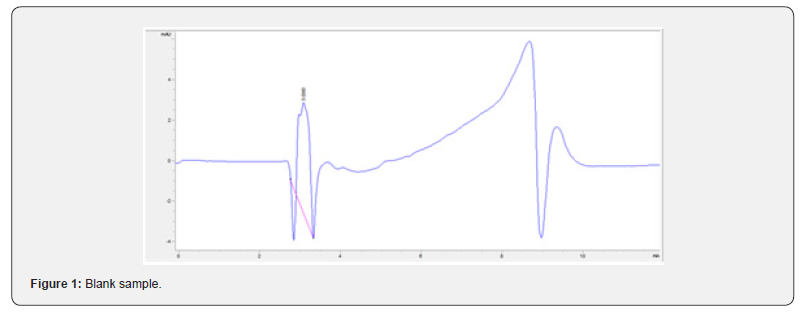
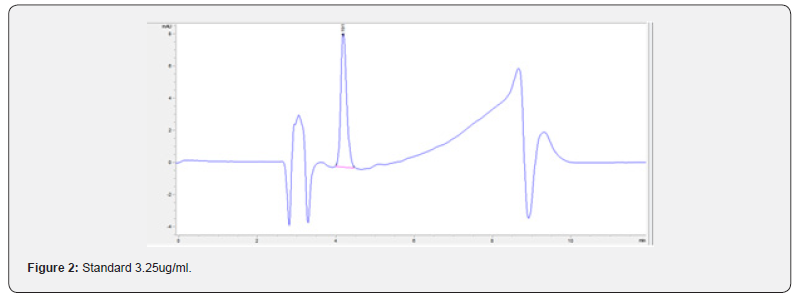
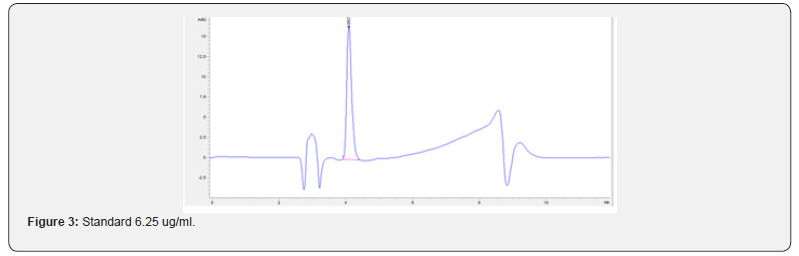
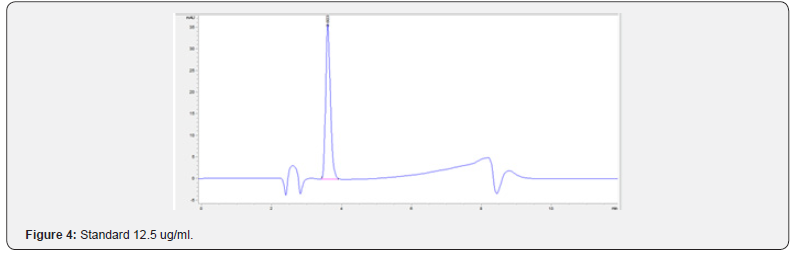
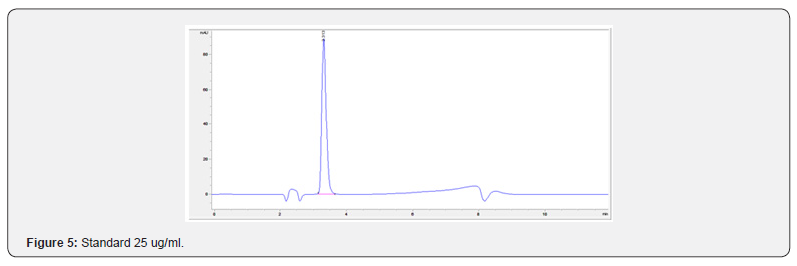
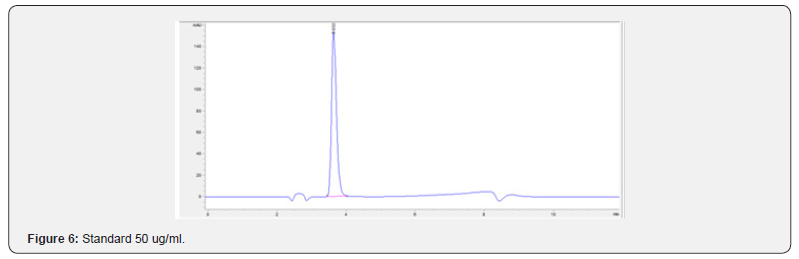
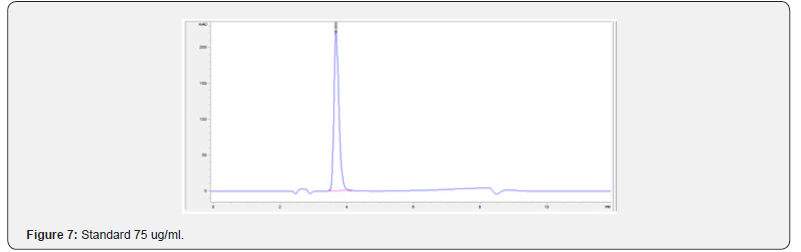
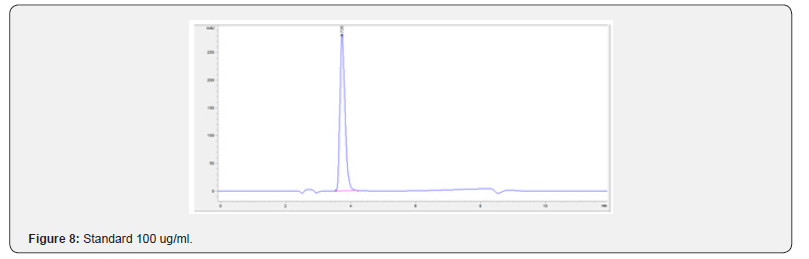
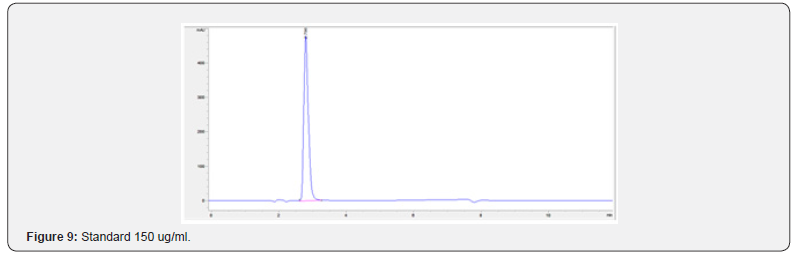
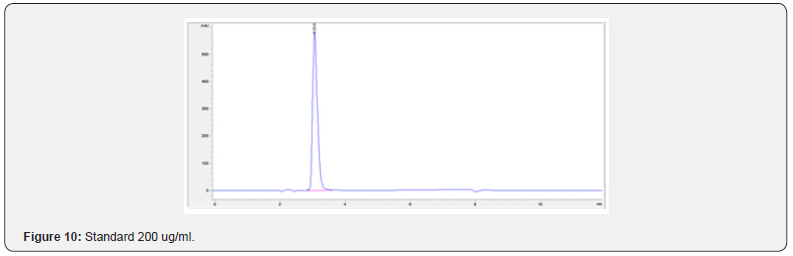
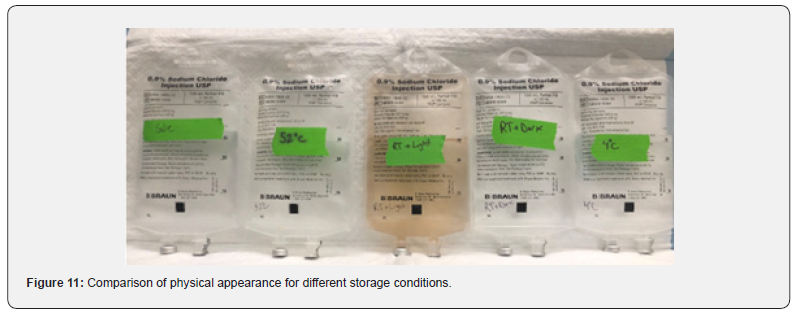
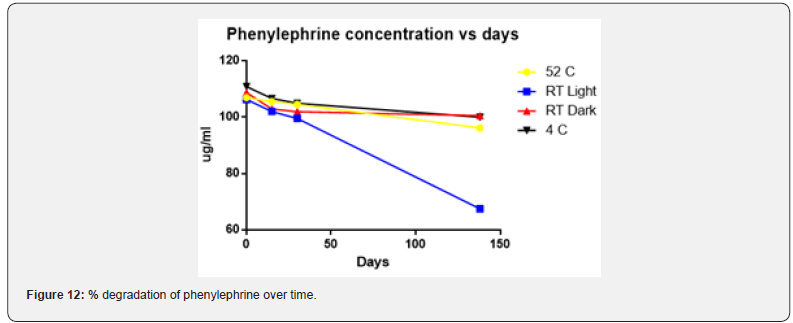
Physical stability of phenylephrine was assessed by visual examination. Solutions were evaluated against a black and white background for visible particulate matter, cloudiness, or color change. The pH of the samples was not assessed, as previous studies have not demonstrated appreciable changes in pH. Phenylephrine concentrations were determined using highperformance liquid chromatography (HPLC) with ultraviolet light. The HPLC system consisted of an autosampler, a delivery pump, a C18 column with a guard column, a variable-wavelength ultraviolet light detector set at 273 nm, a data integrator, and a solvent waste container. A gradient mobile phase system consisting of 0.02M ammonium acetate with 0.1% formic acid (A) and methanol with 0.1% formic acid (B) was used. The separation was achieved with a linear gradient program as follows: 20% v/v B at zero time; from 0 to 5 min, ramp up to 67% v/v B; from 5.01 to 20 min, hold 20% v/v B. The flow rate was 1.5 mL/min. The injection volume was 100 μL. The chromatograms were extracted at 273 nm. All determinations were performed at 25°C. The HPLC software, Chem Station (Version C.01.09; Agilent, 2018) was used to perform the regression analysis, generate the best-fit equations, and generate the coefficient of correlation values. Chromatogram peak heights and areas were used to determine phenylephrine concentrations. All samples for each storage condition were assayed in duplicate. Calibration of the HPLC system was performed by construction of a standard curve using nine known concentrations of phenylephrine hydrochloride (range, 3.125– 200 μg/mL) (Figures 2-10). Coefficients of determination (R2) for the standard curve were 0.995–0.999 for the entire study. Retention time for phenylephrine was on average around 3-4 minutes. Phenylephrine diluted to 100 μg/mL in 0.9% sodium chloride for injection was physically stable in all conditions except for room temperature (23°C - 25°C) exposed to fluorescent light. When exposed to light at room temperature, the solutions changed from clear to a light red hue color with a slightly turbid appearance around day 108. Approximately, on average 7.6% to 10.0% phenylephrine degradation was observed over the 138- day study in all conditions except the room temperature exposed to fluorescent light which experienced a 36.5% degradation (Table 1).

Study Limitations

The study was originally designed to determine long-term stability at Day 120. However, we encountered a technical problem whereby the HPLC column experienced catastrophic failure after day 30. Several attempts to repair the column were performed including extended wash cycles and regeneration cycles. These attempts were unsuccessful and had to resort to ordering a duplicate HPLC column with the same characteristics as the original one. The duplicate HPLC column had to undergo several quality control tests to ensure reliability prior to using it for this experiment. Consequently, the duplicate HPLC column was verified to be operational on day 137 and therefore the longterm stability testing date was performed on the following day (day 138) (Figure 11 & 12).

Discussion

Previous studies have evaluated the stability of phenylephrine in 0.9% sodium chloride solution [14-16]. A study by Gupta [14] found that phenylephrine was stable in 0.9% sodium chloride solution for 14 days. This study found less than 1% degradation of phenylephrine stored in PVC bags using HPLC analysis after the 14-day period [14]. While the Gupta [14] study showed almost no degradation (<1%) of phenylephrine exposed to light, the current study revealed a 4.07% degradation of phenylephrine exposed to light at 15 days. The Kiser [15] study found that phenylephrine remained stable for 30 days while exposed to normal fluorescent lighting. All samples involved in the Kiser study experienced less than 2% degradation over the 30-day study period [15]. Despite a slightly higher degradation rate of 2.2% to 6.4% at the 30-day point, the current study also showed stability of phenylephrine in solution at 30-days. A 60-day study by Jensen [16] demonstrated the stability of phenylephrine to continue over the course of the study. The Jensen study showed a 1% to 3% degradation at 30 days, and about 4% to 6% degradation at 60 days [16]. The current study suggests that phenylephrine remains stable in solution for at least 138 days when stored in the dark. Similar to previous studies it also suggests that phenylephrine remains stable for at least 60 days when a room temperature sample is exposed to normal fluorescent lighting. This study did not look at the sterility of phenylephrine in solution. Phenylephrine manufacturers do not include preservatives within the phenylephrine vials, and the sterility of prepared solutions of phenylephrine must be assessed according to the standards in chapter 797 of the United States Pharmacopeia [17]. Further research is needed to assess the sterility of phenylephrine solutions for long-term use. Knowledge of the extended stability and storage conditions of phenylephrine in solution in PVC bags allows individual practitioners and pharmacies to prepare solutions in advance and store them until the drug is clinically needed. This allows immediate access and reduced delivery time to a potentially life-saving drug in the event of a hypotensive emergency. Additionally, the extended stability of phenylephrine in solution could potentially reduce drug costs and wastage over time.

Conclusion

This study suggests that phenylephrine hydrochloride diluted to a concentration of 100 μg/mL in 0.9% sodium chloride remains stable for at least 138 days for samples that are stored in the dark. Similar to previous studies this study also suggests that phenylephrine hydrochloride diluted to a concentration of 100 μg/mL in 0.9% sodium chloride exposed to normal fluorescent lighting is stable for at least 60 days at room temperature.


To Know more about our Juniper Publishers

Tuesday, January 30, 2024

An Antenatal Diagnostic of Meckel Gruber Syndrome (MKS): Case Report - Juniper Publishers

 Reproductive Medicine - Juniper Publishers


Abstract

MKS, Meckel Gruber syndrome is a rare, lethal, genetic multiple congenital anomaly characterized by the following triad: cerebral malformation (primarily occipital encephalocele), polycystic kidneys, and polydactyly, as well as associated abnormalities that may include cleft lip/palate, cardiac and genital abnormalities, central nervous system (CNS) malformations, hepatic fibrosis, and bone dysplasia.

The mode of transmission of MKS is autosomal recessive. Genetic counseling should be offered to couples at risk. MKS is lethal in utero or in the very early neonatal period, with pulmonary hypoplasia and renal failure being the main causes of early death. Our case illustrates the importance of prenatal diagnosis, essentially by ultrasound, in order to ensure adequate management.

Keywords: Meckel syndrome; Renal dysplasia; Encephalocele; Antenatal diagnosis; Polydactyly

Abbreviations: CNS: Central Nervous System; AR: Autosomal Recessive; MKS: Meckel-Gruber Syndrome

Introduction

Meckel-Gruber Syndrome, is a rare, lethal, autosomal recessive congenital polymalformative syndrome, which was first described in 1822 in the German literature [1]. MKS was described by Meckel in 1822, and Gruber in 1934 combining encephalocele, cystic dysplasia of the kidneys, and polydactyly. The variability of the clinical cases reported in the literature demonstrates that the multifaceted nature of this syndrome is an essential characteristic. Ultrasound is, at present, the best means of antenatal diagnosis of this lethal poly malformation [2]. The diagnosis is based mainly on the genetic study especially karyotype, thus allowing to separate the differential diagnosis especially trisomy and 13,18, as it also allows to assign the genetic counseling to the couple. In this article we report a case of Meckel-Gruber syndrome in a young couple with notion of consanguinity, who benefited from an echography within the framework of screenings of malformation making suspect this syndrome before the encephalocele and polycystic kidneys, the pregnancy stopped at 28 weeks of amenorrhea.

Case Presentation

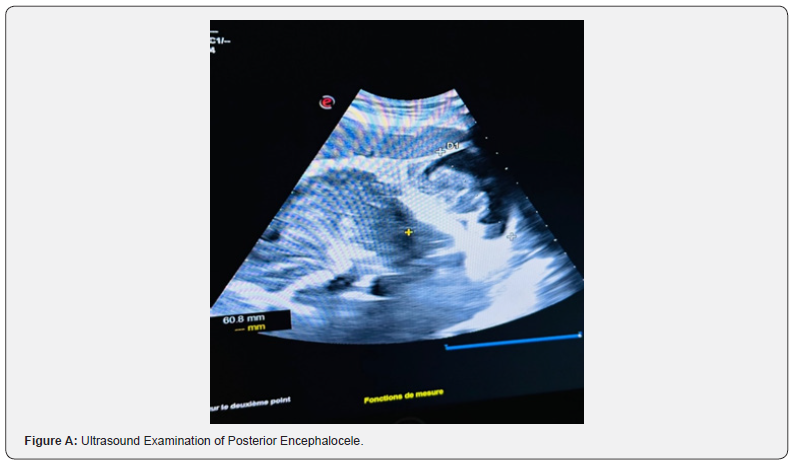
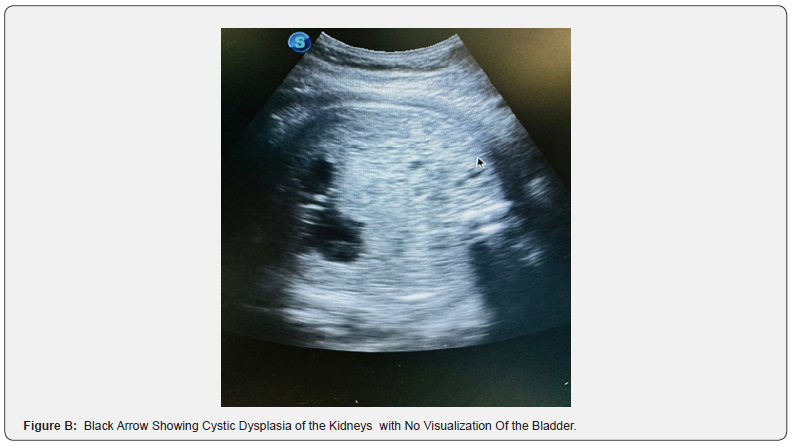
We hereby present the case of a 20-year-old woman, without any particular pathological history, primigravida primiparous, with notion of 1st degree consanguinitis, the patient was followed at our facility and underwent a first-trimester ultrasound examination at 14 weeks of gestation, showing occipital encephalocele (Figure A), hydrocephalus, renal dysplasia and non-visualized bladder (Figure B), raising strong suspicion of MKS syndrome. The prenatal check-up was without abnormalities, and there was no evidence of any drug or Phyto-therapeutic intake. The medical interruption of pregnancy was proposed and refused by the couple.

At 28 weeks of gestation the patient was referred in labor to our structure, the ultrasound on admission showed the same polymalformative complex associated with total amnion, she gave birth to a newborn female, weighing 1700g who died after 6 hours of life due to respiratory distress. The macroscopic inspection revealed: on the cephalic pole: retrognatitis (Figure 1) and posterior encephalocele (Figure 2); on the abdomen: hepatosplenomegaly with ascites; on the limbs: polydactyly (Figure 3) on the 4 distal segments, club feet (Figure 4); cleft palate (Figure 5); examination of the spine and external genital organs was normal. Autopsy examination was not approved by the family. Faced with this poly-malformative syndrome, the diagnosis of Meckel syndrome was suggested.

Discussion

Dysencephalia Splanchnocystica or MKS, all synonyms of the same syndrome due the etymology of the Meckel Gruber Syndrome. In 1822 this syndrome was first described by Johann Friedrich Meckel, a German anatomist, who found two twins who died with identical malformations: occipital encephalocele, polydactyly, and polycystic kidneys [3]. Then, in 1934 George B Gruber described familial cases with the same clinical features, including omphalocele, genital ambiguity and hepatic fibrosis; it was he who proposed the term splacnocystic dysencephaly to these findings [3]. It was Opitz and Howe who proposed the name Meckel-Gruber syndrome with subsequent refinement of the diagnostic criteria [3,4].

Meckel-Gruber syndrome is a lethal, autosomal recessive syndrome; the risk of recurrence is 25% with each pregnancy. It has been frequently described in consanguineous marriages, but also occurs in nonconsanguineous couples. It has a penetrance of 100% and variable expressivity. A wide variety of malformations have been observed in this syndrome, the most consistent being occipital encephalocele, polycystic kidneys and polydactyly [3,4].

The worldwide incidence varies between 1 per 13 250 - 140 000 live births. A high incidence has been reported in the Indian Guajarati population with 1 birth in 3,500 (carrier rate of 1 in 18). There is either a predilection for the population of Finland, where the incidence at birth is 1/9,000. Meckel syndrome is estimated to account for 5% of all neural tube defects in Finland. In Belgian ancestry, the incidence is 1/3,000 persons. The incidence of MKS is also high in consanguineous groups such as the Bedouin tribes of Kuwait (1 in 3,530 live births) [7] and the population of Saudi Arabia (1 in 3,500 live births) [8]. It usually occurs in the context of consanguineous unions; more than 200 cases have been reported in the literature [5,6].

Meckel-Gruber syndrome is caused by mutations in genes encoding proteins that are structural or functional components of primary cilia. The diseases caused by mutations in ciliary genes are collectively called ciliopathies, and the MKS is the most severe of this group of diseases. It can be caused by mutations in any one of at least eight genes; CEP290, B9D1, B9D2, CC2D2A, MKS1, RPGRIP1L, TMEM216, TMEM67. It is known or suspected that the proteins produced by these genes play a role in cellular structures called cilia. Cilia are involved in signaling pathways that transmit information between cells. They are important for the structure and function of many cell types, including brain cells and certain cells in the kidney and liver. Mutations in genes associated with Meckel’s syndrome cause problems with cilia structure and function. Defects in these cellular structures can disrupt chemical signaling pathways important during early development.

MKS is highly phenotypically variable, highly genetically heterogeneous, and antagonistic to other related ciliopathies, such as Joubert syndrome, which greatly complicates diagnosis. Recent advances in genetic engineering have greatly improved diagnosis, genetic counseling, and clinical management of MKS families through the extensive use of multigene panels for molecular testing, unfortunately, these advances in scientific research are not yet accessible.

Autosomal recessive (AR) inheritance of MKS is confirmed by equal occurrence in males and females, concordance in monozygotic twins, examples of affected siblings, and possibly parental consanguinity. If the disease occurred during a previous pregnancy, the risk of recurrence is 25%, Hence the importance of genetic counseling for this couple. In all cases it is necessary to perform a family genealogical tree of the couple for genetic counseling [9]. MKS is fatal in utero or shortly after birth, often due to pulmonary hypoplasia, although there have been exceptional reports of survival [9].

Prenatal diagnosis, in our institution, is fundamentally ultrasound, in this case it occurred at 14 weeks of gestation, which began with abnormal findings in routine standard studies that led to a more detailed study for diagnosis, although it has been described that it could be diagnosed as early as 11-12 weeks, especially in families at high risk through the visualization of anomalies in the central nervous system, kidneys and even in the fingers.

The diagnostic criteria for prenatal Meckel syndrome were based on finding the presence of two of the three classic malformations: occipital meningo-encephalocele, multicystic renal dysplasia and bilateral postaxial polydactyly which are described to be present in 100% of this case [10]; another constant malformation is hepatic fibrosis which could not be established. These findings are thus considered as major criteria for diagnosis [11,12]. Besides hepatic fibrosis, all diagnostic criteria can be assessed by ultrasound diagnosis during the 1st trimester of pregnancy, thus underlining the importance of prenatal diagnosis in this syndrome, given the difficulty of access to genetic diagnosis. Transabdominal ultrasound performed at 10-14 weeks gestation for polycystic kidney disease (after 9 weeks of gestation), occipital encephalocele (after 13 weeks of gestation), and polydactyly (after 11 weeks of gestation), occurring in both high-risk and low-risk pregnancies [9]. Visualization can be affected by oligohydramnios, but is less problematic when performed in the first trimester of pregnancy [13]. Transvaginal scan allows further investigation of abnormalities. The fetal bladder can be seen by ultrasound from week 11 of gestation, and the absence of an apparent fetal bladder frequently indicates renal dysfunction.

Malformations at the central nervous system are variable; defects of the corpus callosum and of the midline in general, hydrocephalus have been described. Posterior fossa dysgenesis (posterior fossa cysts, vermis agenesis, etc.) is also frequent. In all cases postnatal anatomopathological examination is recommended to reach the diagnosis, but this was not possible in this case due to the parent’s decision. There are multiple other malformations described that should be searched in this syndrome, although their frequency is lower, for example, cleft palate (45% of cases) present in this case, cardiac malformations (20%), tongue, splenic malformations, ocular (microphthalmia, retinal dysplasia, congenital cataract, etc.), facial, micrognathia, low-implantation ears [3,14].

Fetal MRI is an alternative if ultrasound is inconclusive or lack of amniotic fluid prevents providing clear images. It can provide better soft-tissue resolution than ultrasound but is rarely performed before 18 weeks’ gestation. the transabdominal or vaginal endoscopy in the first trimester of pregnancy allows the diagnosis by visualization of the surface anatomy of the fetus. Fetoscopy allows direct observation of polydactyly and occipital encephalocele from 11 weeks of gestational age [15]. Prenatal diagnosis is also possible by a combination of these techniques, α-fetoprotein testing of amniotic fluid, and DNA testing of the fetus and parents. For example, elevated maternal α-fetoprotein levels during prenatal screening may be associated with this syndrome [16].

The differential diagnosis should be made with chromosomopathies such as trisomy 13, trisomy 18, in both of which a karyotype would make a diagnosis; with Smith- Lemli-Opitz syndrome, Bardet-Biedl syndrome, Beemer-Langer syndrome, Carpenter-Hunter syndrome, autosomal recessive but genetically heterogeneous Joubert syndrome, which is frequently associated with renal dysplasia and polydactyly, and many other polymalformative syndromes. Diagnostic orientation will be occipital encephalocele, polycystic kidneys, polydactyly and other findings that will be confirmed by autopsy.

Conclusion

The syndrome is a rare disease of autosomal recessive inheritance, of higher frequency in consanguineous couples, although it also occurs in non-consanguineous marriages; the diagnosis, in our environment, is mainly based on ultrasound scan, it has been described that it can be performed from the 11th week in patients with known risk and through genetic diagnosis. Genetic counseling is important since there is a risk of recurrence of 25% in each pregnancy, this will allow the couple to decide on their obstetric future.

To Know more about Global Journal of Reproductive Medicine
Click here: https://juniperpublishers.com/gjorm/index.php

To Know more about our Juniper Publishers
Click here: https://juniperpublishers.com/index.php

Tuesday, January 23, 2024

Effects of Strength Training and The Pilates Method on Dynamic Balance, Physical Capacity and Quality of Life in Older People: A Triple-Blind Randomized Clinical Trial - Juniper Publishers

 Yoga and Physiotherapy - Juniper Publishers


Abstract

Objectives: The study aimed to compare the effect of different exercise modalities on dynamic balance, physical capacity, and quality of life. Methods: Fifteen older people aged over 60 years participated in this randomized clinical trial. Group 1 performed resistance training (RG) and Group 2 exercises based on the Pilates method (PG). The dynamic balance behavior was evaluated by Timed Up and Go (TUG) and the 6-minute walk test (6MWT) physical capacity. Quality of life was assessed using the questionnaire SF-36. Results: Regarding balance and physical capacity, we can observe an improvement in the results of TUG and 6MWT, after four weeks of intervention in the PG. No significant differences were found when comparing STG and PG. In terms of quality of life, the criteria of general health and vitality had a statistically significant improvement in the STG and PG. It is concluded that for the older people evaluated in 4 weeks of training, there was no statistically significant difference compared to the groups for the dynamic balance and physical capacity variables. Both strength exercises and Pilates method show significant improvement in criteria assessed in quality of life.

Keywords: Aging; Postural Balance; Physical Capacity; Quality of Life; Physical Training

Abbreviation: RG: Resistance Training, PG: Pilates method, TUG: Timed Up and Go, MWT: Minute Walk Test, UFCSPA: University of Health Sciences of Porto Alegre, SPSS: Statistical Package for Social Science

Background

Physical changes due to the aging process affect muscle strength, balance, and gait, leading to a decline in physical capacity in older people, increasing the chances of falls, morbidity, and mortality among this population [1]. Physical exercise is an intervention used by health professionals for muscle strengthening, physical resistance, and prevention of changes in body balance in the older population. With the practice of exercise, it is possible to obtain an improvement in the risk factors of chronic degenerative diseases, gait speed, muscle weakness, consequently improving the biopsychosocial domains and increasing the quality of life [2,3].

Resistance training has been one of the most common exercise programs applied to the older people, and it has been established that this type of training improves muscle strength, range of motion, levels of functional autonomy, body composition and mental health [4-6].

Among the physical activities recommended for this public, the Pilates method also stands out, which portrays a system of physical exercises created by Joseph Pilates more than a century ago and, even with its multiple ramifications, it is noted that the work with the method is based on the wide variety of movements combined with proper breathing [2,3,5,7,8]. This study is justified by the fact that the literature indicates resistance training and the Pilates method as excellent exercise options for the older people [3,7], however, is not known which of the two has a greater effect on balance, physical capacity, and quality of life in healthy older people, and there is still a lack of standardization in exercise protocols. Therefore, the objective of the present study was to analyze the effect of two different training programs (resistance training versus Pilates method) on the dynamic balance, physical capacity, and quality of life of healthy older people in the community.

Methods

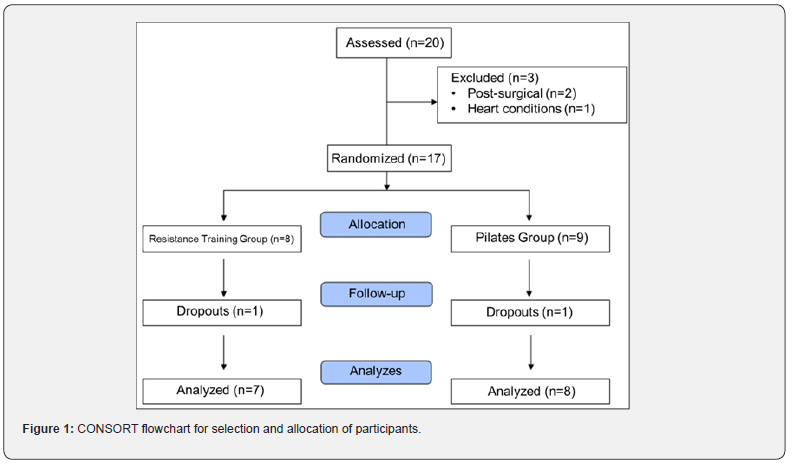
Blinded randomized controlled clinical trial. Approved by the Research Ethics Committee of the Federal University of Health Sciences of Porto Alegre (UFCSPA), under number 2.137.840/2017. Fifteen older people participated in the study, 7 in the Resistance Training group (RG) and 8 in the Mat Pilates group (PG). All volunteers who agreed to participate in the research signed the Informed Consent Form.

Subjects

Older people, residents in the city of Porto Alegre, who were contacted through different sources participated in this study: public invitation, carried out through posters; dissemination on social networks and local dissemination actions with pamphlets. Inclusion criteria were people aged 60 years or older, as established by Brazilian Law No. 8.842 [9], with available time for training. Those who had autonomy and independence, and control of chronic diseases and physical symptoms were considered healthy [10]. Older people who were in a regular physical training program in the last 12 weeks, cognitively impaired, people with a physical disability that prevented them from participating in the groups, in any type of postoperative period or at high risk for performing physical exercises, by cardiopulmonary, vascular, or metabolic disorder, were excluded.

Procedures for Data Collection and Evaluations

The evaluation of the participants was carried out by the same evaluator before and after the training. In the first evaluation, the Mini-Mental exam was performed [11] to assess the individual’s cognitive ability to participate in the study. Dynamic balance was assessed by Timed Up and Go (TUG) test. The test indicates balance and functional mobility, whose performance is related to gait, postural and direction changes during the act of walking, being evaluated through the time spent in carrying out the route [12]. The physical performance was assessed using the Six-Minute Walk Test (6MWT), which measures the maximum distance covered in a period of 6 minutes and is commonly used to assess submaximal cardiorespiratory capacity while performing activities that require commuting. [13]. All individuals were familiarized with the tests previously.

To assess quality of life, participants answered the Medical Outcomes Study 36 - Item Short-Form Health Survey (SF-36) [14] seated in a comfortable and air-conditioned environment.

Intervention Protocol

To ensure the quality of the intervention protocol, as well as the method used in this study, the teams responsible for the training protocols were trained by the responsible researcher to perform the exercises specifically in the RG or PG groups. The study was conducted in secrecy about the training method, focusing on protocol criteria and the safety of participants. The individuals were randomized into two groups, RG and PG, with a training frequency of 3 times a week, over 4 weeks, lasting 60 minutes each. The older people in the RG were first submitted to the estimated test of one repetition maximum (1RM estimated), following the recommendations of the ACSM [15], for each of the exercises of each training cycle. All loads were then adjusted to 70% to 80% of 1RM [15,16]. The protocol was composed of 12 global exercises. The individuals were instructed to perform three sets, from eight to twelve repetitions in each. If the participant reported that the load was light, the load was adjusted again.

In the PG, the protocol had 24 global exercises, all maintaining the principles of the Pilates method. The method is based on 6 principles: control, breathing, fluid movement, precision, concentration, and centering [17]. The exercises were performed with sets of ten repetitions [18]. All exercises were performed on the ground, without the use of equipment. Only accessories such as a Swiss ball, soft ball, stick, dumbbell (1 kg for all individuals) and elastic band were used. [19]. In all sessions, of both groups, the individual was submitted to the same training model, with the same exercises, and if the individual needed any adaptation for the exercise, this was done. In this study, in both training programs, exercises involving strengthening of upper and lower limbs, abdominal and trunk muscles were designed, each modality respecting the characteristics described above. There was a rest period between one exercise and another, not exceeding the time of 1 minute. If the participant reported exhaustion to perform the task, it was finished. No more than 4 individuals were allowed per training schedule, with 2 duly trained instructors to carry out the protocol.

Allocation Sequence Generation

The division between the RG and PG groups occurred after the initial evaluation under analysis of the inclusion and exclusion criteria, following the availability of volunteers’ participation. A table was presented to the older people with the training times, without identifying the modality at each time. According to his availability for training, he stayed in G1 or G2 and only learned the type of training when he participated in it, although the researchers responsible for the training were careful not to mention which method was being used. The health professional who carried out the initial assessment of the elderly was unaware of the schedules for each group, therefore, there was no influence or indication during the choice of the individuals. Both RG and PG offered morning and afternoon schedules, and alternated offering weekly schedules for the beginners. The person responsible for this logistics also kept the assessments confidential for the researchers who conducted the training sessions.

Allocation Masking and Implementation

The evaluators were not aware of the RG and PG training schedules. The researchers responsible for the training were blinded to the evaluation process and to the opposite group. The volunteers were instructed not to comment with the evaluators during the reassessment about the types of exercises they performed. The researcher responsible for analyzing the outcomes was not aware of the allocation of groups, receiving data from the evaluator as Group 1 and Group 2.

Blinding

Due to the masking and implementation of the allocation, the volunteers, the evaluator, the researchers responsible for the training and the researcher responsible for the analysis of the outcomes were blinded.

Statistical Analysis

For data analysis, the Shapiro-Wilk test was performed in order to verify the normality of continuous data. The descriptive analysis of parametric numeric data was expressed as mean and standard deviation, and when non-parametric as median, minimum, and maximum. Descriptions of qualitative variables were expressed in absolute and relative frequency. For inferential analysis, comparisons between RG and PG referring to baseline data were performed using the Student’s t test for independent samples when continuous, and the Chi-square test with Yates correction when categorical. To compare the non-parametric data of the SF-36, the Kruskal Wallis H test and the post hoc Mann Whitney U test were used. Comparisons between GF and GP in the TUG and 6MWT, for the 2 groups in the 2 moments, before and after, were carried out with the Anova Two-Way test with Sheffee’s Post-hoc. All analysis was performed using the Software Statistical Package for Social Science (SPSS, version 21), considering a significance level of 5% (p≤ 0.05).

Results

The present study was composed of 7 individuals in the RG and 8 in the PG. All showed cognitive ability assessed by Mini Mental to participate in the study. The allocation of participants is shown in Figure 1. The characterization of the elderly is presented in (Table 1). There were no differences between the groups in the evaluated variables, demonstrating a homogeneity of the sample, except for the number of female individuals in the GP. The results referring to the applied tests are presented in (Table 2). All the participants were able to complete the dynamic balance and physical capacity tests without interruptions. Regarding the quality of life of the participants, assessed by the SF-36 questionnaire, we can highlight an improvement in the domain of vitality (p=0.008) and general health status (p=0.001) even with statistical significance (Table 3).

Where: SD= standard deviation; n= sample; %= relative sample; RG= resistance group; PG= Pilates group; BMI= body mass index; p¹= Student’s t test to independents sample; p²= Qui-Square test with Yates correction.

Where: n= sample; RG= resistance group; PG= Pilates group; SD= standard deviation; 6MWT= six-minute walk test; p= comparison by Anova Two-Way with Shaffee Post-hoc.

Where: n= sample; RG= resistance group; PG= Pilates group; Min= minimum; Max= Maximum; Med= Median; p= H of Kruskal Wallis with Mann Whitney’s U post hoc.

Discussion

In the present study, we did not observe a statistically significant improvement in relation to the performance in the TUG test, corroborating the findings of Vieira et al [19]. One of their hypotheses would be the intervention duration. In addition, we also believe in the hypothesis that they are healthy elderly people, who already had values considered good for their age group in the initial assessment, and another assessment instrument could provide greater specificity to the results. However, the TUG is the most used instrument to assess balance in the older people [17]. The RG did not show improvements in balance after the intervention period, still demonstrating a decline in its performance. The findings of Low et al [6] e Orr et al [20] claim that resistance training does not generate changes in variables on balance. In order to obtain results on balance in the older people, more dynamic and challenging exercises are recommended, with resistance training indicated as a complement to intervention on this outcome. Because, since balance is dependent on several systems for its maintenance, one should not work on resistance exercises alone [21].

We can observe the improvement in TUG results in relation to the effect on balance in elderly people in PG compared to RG, although not statistically significant. Exercises based on the Pilates method, in general, include dynamic muscle stretching and muscle strengthening using body weight as resistance. [22]. According to Chatzopoulos et al [23] dynamic stretching has a positive effect on balance, unlike static stretching. This being one of the hypotheses that would explain the change in the behavior of equilibrium in RG. Also, studies from Barker et al [24], Bullo et al [25] and Cancela et al [26] concluded that the Pilates method has strong evidence of improvement in static and dynamic balance in older people. Research demonstrate that the Pilates method activates and strengthens the central musculature of the “power house”, required during the execution of the exercises and this can contribute to an improvement in the posture and alignment of the trunk, changing the center of gravity, which directly reflects on the maintenance capacity of body balance [27,28]. Regarding physical capacity, we can observe a greater distance in the 6MWT after four weeks of intervention in the RG, although the comparison between RG and PG reached statistical significance (p=0.06). In exercises based on the Pilates method, planti and dorsiflexors and lower limb strength are worked on simultaneously throughout the exercises [29]. What may have contributed to a better performance in the 6MWT, suggesting that individuals have a more evident improvement in physical capacity with training based on the Pilates Method [18].

According to Santos et al [30], exercises that work on motor coordination are able to provide an increase in gait speed in the older people, also indicating functional independence [31]. Comparing the Pilates method to traditional resistance exercise, it presents a greater degree of difficulty in its execution, since it requires concentration, activation, and coordination of several muscle groups at the same time [22]. In both groups, the SF-36 domains on vitality and general health showed improvements, indicating the positive impact that physical exercise provides in the lives of the elderly. With age-related physical losses, the older people have a reduction in physical activity levels and become more sedentary, reduce their work and social activities, factors that may be associated with a decrease in quality of life [32]. In addition to the health benefits of regular physical activity, seniors find support from other seniors in these groups and end up resuming their social activities. Therefore, physical exercise brings significant changes to the quality of life of older people [32-34].

Existing studies regarding the effect of training on balance in older people have been described in systematic reviews and meta-analyses as having low methodological quality. Which demonstrates the importance of carrying out works encompassing this theme [35,36]. In this study, we evaluated healthy older people. In addition, the average age of the participants demonstrates that they are young older, which could justify the values presented in the TUG in the initial evaluation. According to Alcock et al [37] the postural control of older women suffers worsening with age, with significant annual reductions, with greater oscillation in the most challenging conditions. The number of individuals in this study was a limitation, data collection was terminated early due to the onset of the Covid-19 pandemic. During the study five participants did not stay over the four weeks. It is known that the older population has difficulty in following an activity, mainly due to family commitments, health problems, lack of social and family support [32]. New studies are suggested with larger samples, and with longer duration protocols, in order to identify from what moment, the gains on balance occur. Second Bird [38] to obtain improvements in balance attributed to neuromuscular adaptations, at least 5 weeks of training are required.

Conclusion

The findings of this research showed that in four weeks of training, there was no statistically significant difference compared to the groups for the dynamic balance and physical capacity variables. Both strength exercises and the Pilates method show significant improvement in criteria evaluated in quality of life, which is extremely relevant, showing that, regardless of the time of performance, these modalities bring benefits to healthy older people.

To Know more about Journal of Yoga and Physiotherapy
Click here: https://juniperpublishers.com/jyp/index.php

To Know more about our Juniper Publishers
Click here: https://juniperpublishers.com/index.php

Understanding The Acute Interventions for Complicated Pleural Effusions - Juniper Publishers

  Pulmonary & Respiratory Sciences - Juniper Publishers Abstract Pleural effusion affects approximately 1.5 million individuals in the U...