Tuesday, August 6, 2024

Laboratory Evaluation of the Efficacy of Chlorine Dioxide (ClO2) Composite Powder for Remediation of Petroleum HydrocarbonContaminated Soils - Juniper Publishers


Environmental Sciences & Natural Resources - Juniper Publishers

Abstract

The evaluation of efficacy of ClO2 composite powder as a chemical oxidant for remediating petroleum hydrocarbon in soils has been explored. The main purpose of this study is to investigate the oxidative degradation capacity of and the resulting effects on soil chemistry. The most economical dosage was a ratio of 1g product:27g of contaminated soil. Destruction efficiency in the samples ranged from 7 to 41%. Decrease in soil samples pH ranged from 0.08 to 0.80 and 0.04 to 1.01, respectively. Increasing trend in hydrocarbon degradation was F1≈F2≈F3>F4. The degradation mechanism of the hydrocarbon constituents was postulated to occur in two stages. The first fast-reaction stage involves ClO2 (aq) in initial electron transfer and in the second-stage, the generation of hypochlorous acid (HOCl) and itself partially dissociates, forming hypochlorite anion, ClO, which would recurrently react with the soil contaminants. SAR values remained unchanged relative unchanged.  level increases in all samples due to oxidative transformations of sulfur containing compounds by ClO2. Soil EC rises as ClO2 dosage increased and was attributed to higher levels of Cl- and . As a direct benefit,  provides a source of nutrient fertilizer in the soil for plants.

Keywords: Contamination; Hydrocarbon; Chlorine dioxide

Introduction

Anthropogenic activities and mismanagement can often lead to spilling of petroleum hydrocarbons in the soil, with real risks to human health and negative affect on the soil ecosystem [1-3]. In addition, the spillage can give rise to unwanted and uncontrollable migration of petroleum hydrocarbon substances in the air, surface and ground water bodies. Petroleum represents one of the most important sources of energy and a raw material in the chemical and manufacture industries. From a strict chemical perspective, the term petroleum hydrocarbons refer to a complex mixture of organic compounds consisting predominantly of hydrogen and carbon atoms, and containing small quantities of oxygen, nitrogen, sulfur as well as trace of metallic constituents. The impacts of petroleum hydrocarbons on environmental ecosystems have been examined and documented [4-6], including unwanted changes to soil physicochemical properties, toxicity to biota, recalcitrancy to natural degradation, bioaccumulation, degradation of water and air quality, destruction of flora, exposure to airborne contaminants, loss of productive land and economic activities [7-9]. As such, the predicament of petroleum hydrocarbons contaminated soils and their remediation is among the most urgent and complex tasks facing many countries around the world in terms of environmental protection and financial aspects.

Petroleum hydrocarbons is regarded as the most recurring environmental contaminant. Scientists have recognized the potential dangers of petroleum hydrocarbons accidental released on land and devoted to the development of various remediation technologies. The soil remediation approaches available can be classified as in-situ or ex-situ while falling under the treatment category of chemical, physical, biological, electrochemical, or thermal treatments. However, the relative success of these various remediation methods will depend mainly on their large-scale applicability in the field and low-cost effectiveness.

Interactions between soil-hydrocarbon contaminant tend to be highly complex. Consequently, affected by hydrocarbon constituents and characteristics, soil solution surface tension, soil mineralogy, biological, chemical and physical properties, soil aqueous regime, extent of sorption and desorption processes, nature of mechanism of the soil-contaminant interactions as well as contaminant mobilization [10-12]. Solid state oxidation or creation of chemical oxidation in soil has emerged as one of the most practical remediation strategies to degrade organic pollutants in soil media [13-15]. Chemical oxidants are contacted with the contaminated soil. This starts off chemical reactions resulting in oxidative breakdowns via electron transfer processes or generation of free radical species. Hydrogen peroxide, persulfate, ozone, calcium peroxide, and permanganate are deployed as common oxidants (Table 1). The chemical activation methods are generally activated by metals, change in soil pH, or heat that creates free radical oxidants that further oxidize the organic pollutant. The sensitivity of treatment to matrix conditions will vary with different oxidants and types of contaminants [16] (Table 2). In practice, many of these remedial techniques require additional activation methods. However, they have drawbacks, including high costs, toxicity to organisms, and detrimental effects on soil properties.


The remediation of hydrocarbon or other organic contaminants in soil and water with stabilized chlorine dioxide (ClO2) represents an attractive solution. Due to its reaction selectivity and a strong chemical oxidizing agent, CLO2 has been reported to be an efficient oxidant of organic pollutants [17]. ClO2 is commonly referred to as a paramagnetic radical that is safe, economic and environmentally friendly to use in remediation applications. Contrary to many chemical oxidation techniques, the ClO2 oxidation systems does not require changing the soil pH to achieve a high degree of oxidation level. As a strong, water-soluble oxidant, it remains effective at a broad pH-range from 4-11 and does not hydrolyze in aqueous solution [18]. Furthermore, a paramount advantage of CLO2 is that it does not react with the treated system matrix to form halogenated by products compared to using free chlorine as an oxidant.

The reaction mechanism of organic pollutant by ClO2 has been investigated [19,20]. ClO2 reacts with a high degree of oxidation with the pollutant by attacking the atoms with the highest electron density. The pollutant loses electron and produces reactive intermediate. Subsequently, the unstable intermediate product participates in the ensuing reaction by undergoing molecular rearrangement and binding to ClO2 or itself, which results in the formation of oxidation products.

At present, the evaluation of efficacy of ClO2 composite powder as a chemical oxidant for remediating petroleum hydrocarbon in soils has not been explored. Thus, the main purpose of this study is to examine the oxidative degradation capacity of ClO2 and the resulting effects on soil chemistry.

Material and Methods

Measurement of soil moisture

The measurement of the soil moisture was determined by the gravimetric method. A representative soil subsample was collected, weighed before drying at 105oC ± 2 for 72 hours and then reweighed. The percent soil water is given according to Equation 1:

Dutridy-10 when mixed into the moist soil is expected to generate ClO2 radicals. In order for ClO2 to be active under the current investigation, it must be able to absorb moisture present in the soil to yield the following reaction: 5NaClO2 +4 HCl → 4 ClO2 + 2 H2O + 5 NaCl.

Chemical

Dutridy-10 is a composite powder that contains 10% ClO2, moisture absorbing powder, sodium chlorite and natural silicates. The product is manufactured by Duka Production LTD. To carry out the study, 400 g of contaminated soil was weighed and treated at room temperature with Dutridy containing 10% ClO2 as the source of ClO2 and tap water as well. The mixture was then homogenized mechanically in a 72 Oz Ninja Blender for 15 seconds to simulate the Micro-EnfractionaterTM. The treated matrix was then transferred into a 500mL glass, labelled with a permanent marker, and its temperature measured with a laser thermometer and recorded as a result of heat released by the exothermic reaction. The glass jar was sealed and the system was allowed to react overnight in the dark. The treated samples were subsequently delivered to a licensed laboratory in Calgary for analysis.

Soil samples collection and analyses

The two soils samples impacted with petroleum hydrocarbon were collected from two different sites located in northern Alberta. The samples were transferred into 20L plastic pails, labelled, mechanically homogenized, sealed and then transported to Calgary where they were stored in a fridge at 6oC. The hydrocarbon analyses were conducted by a licensed laboratory located in Calgary. Additional soil physical and chemical properties were conducted internally [21] and are summarized in Table 3. Quality assurance and quality control were maintained throughout the study and conducted as specified by manufacturer. All the internal analyses were conducted in duplicate with the average value reported.


Carbonates screening test

The hydrocarbon contaminated soil matrices were screened for the presence of carbonates. The test was performed using 0.1N and 1N HCl, respectively. Samples of the contaminated soil material were placed in a Pyrex spot plate to which 1mL of each HCl solution was added. The extent of effervescence was visually determined as an indication for presence of carbonates. The qualitative test was carried out in triplicate.

Experimental Design

The experimental design for treatment with Dutridry-10 involving the two soil samples is depicted in Table 4. The set up consisted of three distinct systems with four treatments within a given system. Inorganic analyses and moisture determination were conducted in duplicate, and the average reported.


Results and Discussion

Soil moisture

Moisture content in the samples were 26% in sample 1 and 17% in sample 2, respectively. In sample 2, this value represents 104g of initial water content in the matrix and in sample 2 matrix, it was calculated to be 68g of initial water content. Therefore, Dutridy-10 when incorporated in the contaminated soil matrices was able to absorb the soil moisture to activate the formation of ClO2. An exothermic reaction was produced by the reaction of the oxidant with the soil matrix and measured with a laser thermometer. Heat produced increased with incremental treatment with Dutridy-10. In the experimental systems delta temperature in TRT#1 was on average 3oC while in TRT#2 and TRT#3, it was 5 and 14oC, respectively.

Carbonate mineral screening test

The intensity of the effervescence reactions in presence of HCl is an indication of the level of carbonate minerals such as calcium carbonate (CaCO3) or magnesium carbonate (MgCO3) or other types of carbonate minerals in the soil samples. Carbonate minerals do not appear to be present in significant concentration level in either of the hydrocarbon contaminated soil matrix. At 0.10 N HCl, no effervescence reaction was denoted in the samples. The 1N HCl yielded a very weak fizzing reaction in both samples.

Chemical oxidation of hydrocarbon by ClO2

Results of petroleum hydrocarbon destruction by ClO2 is depicted in Table 5. Average TPH concentration in sample 1 was 19,360 while in sample 2, it corresponded to 31,800mg/kg. Destruction efficiency on a percent basis (%DE) of hydrocarbon in a treatment was determined by Equation 2:

Across the experiments, heat, pH, and soluble salts were parameters also followed. The pH values fractional decreased with increasing moisture and ClO2. EC values increased linearly across all treatments with higher levels of Dutridry-10. The reaction of CLO2 with the contaminated matrices produced an exothermic reaction. Average delta temperature was +3oC in systems treated with 5g of Dutridry-10. For systems treated with 15g of Dutridry-10, the average delta temperature was +5oC while an average delta temperature of +14oC was denoted in all systems treated with 30g of Dutridry-10. ClO2 radical formation is activated when the substance contacts with the soil moisture. As a strong oxidizing reagent, CLO2 transformed the petroleum hydrocarbon compounds into less harmful intermediates or end-products such as CO2. Although complete mineralization is the primary objective, partial chemical oxidation by CLO2 radical resulting in long-chain of the petroleum hydrocarbon compounds converted into lesscomplex, more dissolvable, and easily biodegradable substances or intermediates should be regarded also as a beneficial outcome. A comprehensive analysis of the % destruction efficiency trend is depicted in Figure 1 & 2, for the respective soil samples. Destruction efficiency ranged from 7 to 41% in sample 1 and from 14 to 30% in sample 2. The effectiveness of ClO2 radicals at transforming the soil hydrocarbon contaminants in sample 1 increases with increasing dosage of Dutridry-10 and soil moisture of the system. However, it was observed in sample 2 that contaminant degradation efficiency by ClO2 was rather higher at low soil moisture and increased Dutridry-10 dosage. According to this study, 5 g of Dutridry-10 combined with a soil mass water (i.e., 104g + 30g = 134g H2O) ratio 3:1 is the most appropriate combination to avoid using more water and achieving economical dosage of Dutridry-10 for treating sample 1. On the other hand, sample 2 is represented by a soil mass water (i.e., 68g + 0g = 68g H2O) ratio 6:1 with a dosage of 5g of Dutridry-10.


Hydrocarbon constituents’ interactions with soils are specific, dynamic, can be reversible or irreversible, and affected by soil solution tension and chemistry, organic matter, and types of soil mineralogy [22,23]. Taking into account the higher sand content as well as the soil mass water rater ratio, and higher F1 and F2 fractions content in sample 2 relative to sample 1, may have contributed to more hydrocarbon mass transfer into the soil solution phase. The dissolved constituents are characterized by labile bonds that can readily be attacked and broken by the ClO2 radicals in the solution. All fractions seemed to have been degraded within each soil sample. In relative term of concentration, increasing trend in degradation in both samples was F1 ≈ F2 ≈ F3 > F4 as indicated by the chromatograms data and higher ClO2 concentration resulted in higher degradation. This clearly illustrates the non-specific nature of ClO2 at degrading various organic substances. Similar results have been reported elsewhere [24]. The degradation mechanism of the hydrocarbon constituents may be occurring in two stages. The first fast-reaction stage involves initial electron transfer by Equation 3:

Correspondingly, residual ClO2 and the generated hypochlorous acid (HOCl) partially dissociates, forming hypochlorite anion, ClO – and would recurrently react with the contaminants. The process is illustrated through Equation 4 as determined by the relative remaining reaction time.

Chlorine dioxide radicals can also cause non-ionized hydrolysis of water, Equation 5, which gives rise to the formation of •OH in the CLO2 oxidation system [28].

ClO2 has been substantiated as one of the most auspicious oxidants and disinfectants. It has more oxidative capability and disinfection power than chlorine and able to react with a variety of organic substances. The most common and simplest components of petroleum hydrocarbons are alkanes with formula CnH2n+2. C-C bonds are non-polar and C-H bonds are also relatively non-polar. ClO2 reactions with organic compounds almost does not produce hazardous byproducts such as trihalogenomethanes. The possible pathway for the degradation of the organic compounds by ClO2 is mainly electrophilic. Essentially, ClO2 reacts with the hydrocarbon constituents as a pure oxidant functioning primarily as a oneelectron acceptor [29]. In practical term, the reaction from the formation of the C=O and O-H bonds is exothermic and generates CO2 and H2O. Many studies have reported that the degradation of organic compounds by ClO2 were not pH dependent within the range 4.5-9.5 [25] in which both soil samples fall. However, ionizable organic compounds degradation by ClO2 are generally pH-dependent while pH has no effect on non-ionizable organic compounds [26,27]. Since most of the hydrocarbon constituents in both investigated soil samples are non-ionizable organic compounds and non-polar, one should expect that the degradation process to be pH independent. The effect of the various treatments on soil pH of the soil samples are plotted in Figure 3 & 4, respectively. There has been a decrease in the soil pH in all treated systems. The delta changes in the soil slurries (i.e., initial soil pH-final soil pH) increase with increasing ClO2 concentration and moisture addition. Additionally, delta changes in soil pH in sample 1 ranged in decrease from 0.08 to 0.80 while in sample 2, it was from 0.04 to 1.01. The results imply the formation of HOCl as a secondary oxidant during the oxidation of ClO2, which could cause a decrease in the soil pH in both samples. It was also denoted a greater change in soil sample 2 pH in contrast to soil sample 1. This difference could be ascribed to greater HOCl formation in soil sample 2, which could not be offset by the lower soil buffering capacity. There was no contribution to soil salinity of the soil samples by the various ClO2 treatments. The effects of the ClO2 various treatments on the soil samples salinity were analyzed. Sodium adsorption ratio (SAR) affects water intakes of soil and is given by the formula: [Na] (([Ca] + [Mg])/2)1/2, where all concentrations are expressed as milliequivalents of charge per liter is an indication of the amount of Na relative to Ca and Mg in the soil solution. SAR values within and across treatments for each soil sample remained relatively unchanged relative to the controls. Soil electrical conductivity (EC), a measure of the amount of salts, increases equally in both samples as CLO2 dosage increased. The biggest contribution to increase in the soil EC values was attributed to higher levels of Cl- and . Oxidative transformations of sulfur containing compounds by ClO2 has been documented [30]. As a direct effect of ClO2, concentration of  increases in the soil samples with increasing ClO2 dosage. Increase in  level in sample 1 ranged from 54% to 100% while in sample 2, it was from 90% to 100%. As a direct benefit,  can serve as a source of nutrient fertilizer in the soil for plants during reclamation.


Cost analysis

Dutridry-10 is typically sold in bulk for $10/kg. At an effective application rate of 2.5g: 400g of hydrocarbon contaminated soil (i.e., 6.25g: 1kg of hydrocarbon contaminated soil), the cost of the product will be $0.0625/kg per 2000 ppm hydrocarbon oxidized. The typical hydrocarbon concentration a contaminated soil matrix is 120,000mg/kg. Therefore, for a target reduction (TR) of hydrocarbon concentration to 20,000mg/kg in the post treated soil matrix entailed a reduction, Equation 6:

Hence, we obtain 

Furthermore, the ensuing calculation was also performed to determine the amount of dutridry-10 product (Kg) that should be applied to achieve the above 83% reduction assuming 1kg of hydrocarbon contaminated soil, Equation 7:

and yields

Strategically, the product could be easily incorporated mechanically with on-site equipment at no additional operational cost to the remedial program. The author believed that mixing Dutridry with the Micro-EnfractionatorTM would have the potential to increase the efficiency of the oxidizer by as much as 20-35% through improved contact surface area for reaction. Hence, an overall reduction in treatment cost.

Conclusion

It appears that ClO2 has the potential of oxidizing hydrocarbon in contaminated soils. The effectiveness of ClO2 radicals at transforming the soil hydrocarbon contaminants increases with increasing dosage and soil moisture of the system. However, the most economical dosage was a ratio of 1g product:27 g of contaminated soil. Destruction efficiency ranged from 7 to 41 % in sample 1 and from 14 to 30% in sample 2. Increasing trend in hydrocarbon degradation in both samples was F1 F2 F3 > F4. There has been a decrease in the soil pH in all treated systems. The delta changes in the soil pH slurries increase with increasing ClO2 concentration and moisture addition. The results imply the formation of HOCl as a secondary oxidant during the oxidation of ClO2, which could cause a decrease in the soil pH in both samples. Soil buffering capacity will influence the extent of soil pH lowering.


To Know More About International Journal of Environmental Sciences & Natural Resources Please click on:

For more Open Access Journals in Juniper Publishers please click on: 


Monday, August 5, 2024

Phytoeffectors: A Non-transgenic Strategy to Improve Drought Tolerance of Crop Plants - Juniper Publishers


Agricultural Research & Technology - Juniper Publishers


Abstract

Due to the oncoming climate changes, drought became the principal challenge for sustainable agriculture. Indeed, today, water deficit becomes common even in the northern part of Europe and results in continuously increasing tremendous crop losses. Therefore, development of new strategies to improve plant stress tolerance is one of the principal tasks for the current agricultural research. In this context, application of the transgenic approach proved to be an efficient tool in establishment of new highlyproductive drought-tolerant crops. However, the practical implementation of this strategy is under the strict control of national governments and, typically, requires a special legal approval. Due to this, application of drought-protective agrochemicals might be a promising alternative strategy to establish drought tolerance in crops. Most often, these agrochemicals represent small molecules with molecular weights below 1000, which typically act as inhibitors of essential plant enzymes and are referred to as phytoeffectors. The phytoeffector strategy assumes identification of the major players (on both protein and metabolite levels) involved in the deleterious effects of the plant stress response. Based on this knowledge, specific receptors or/and enzymatic activities, which are essential for inhibition or modulation of the targeted specific deleterious aspect(s) of the stress response, need to be identified. Thereby, an increase in stress tolerance and sustaining of crop productivity are recognized as the principal outputs of the phytoeffector application. However, not only crop productivity, but also crop quality and nutritional safety need to be considered when establishing new drought-protective phytoeffectors. Importantly, all these criteria need to be combined for efficient implementation of the phytoeffector approach. As the concept of drought-protective phytoeffectors is new and develops rapidly, here we provide an overview of the current progress and key directions in the evolution of this approach.

Keywords: Drought tolerance; Environmental stress; Functional genomics; Plant stress tolerance; Phytoeffectors; Small molecules

Introduction

The oncoming global climate changes, manifested as the increase of average temperatures, duration and severity of storms, droughts and floodings, dramatically affect plant growth and development that results in tremendous crop yield losses worldwide [1]. Therefore, improvement of the plant stress tolerance is one of the primary aims of plant physiologists, biochemists, geneticists and breeders working with crops. From the agricultural point of view, two aspects are of the principal importance in terms of the stress tolerance of the crop plants: (i) sustaining crop productivity and (ii) preserving crop quality (that ultimately affects nutritional properties of the foods, manufactured from these crops). Unfortunately, in the absolute majority of cases, only the first aspect is properly addressed, whereas the importance of the second one is often underestimated. Indeed, it is well-known, that even a short-term exposure to environmental stresses results in characteristic phenotypic changes, i.e. clearly visible changes in plant appearance and biochemical status [2-4]. In respect to various stresses (drought, heat, cold, high salt and heavy metal contents in the environment), these changes are often underlied by essentially common physiological and biochemical mechanisms of the plant stress response [5]. Many of these mechanisms are most comprehensively characterized for the plant response to drought.

At the earlier steps of its development, the drought stress response is usually manifested by activation of protective mechanisms preventing excessive tissue dehydration. The primary plant response at this step is the abscisic acid (ABA)-dependent stomata closure. This key event ultimately causes the overload of the electron-transport chains (ETCs) in chloroplasts and mitochondria that is accompanied by enhanced transfer of electrons to molecular oxygen by the intermediate players of the ETCs [6,7]. Under these conditions, reactive oxygen species (ROS) are generated with the rates essentially overwhelming the cellular capacities for their detoxification, i.e. oxidative stress develops.[8] At the further step of the dehydration avoidance strategy, the plant accumulates osmoprotective proteins and metabolites (predominantly amino acids and sugars) [2,9]. The accompanying rearrangement of the cellular metabolism is usually referred to as metabolic adjustment [10,11].

Importantly, the simultaneous increase in the tissue ROS equilibrium concentrations and carbohydrate contents triggers oxidative degradation of cellular hydroxyl carbonyls and fatty acids, most typically associated with monosaccharide autoxidation [12,13] and lipid peroxidation [14], respectively, which ultimately result in so-called carbonyl stress, i.e. enhancement of reactive carbonyl compound (RCC) production [15]. These highly-reactive species readily modify cellular biopolymers, compromising their functions and nutritional properties. Specifically, on one hand, the reactions of the sugar-derived RCCs with proteins yield advanced glycation end products (AGEs). On the other hand, due to enhanced ROS generation and production of reactive intermediates of lipid peroxidation (GO, MGO, hydroxyaldehydes and ketoaldehydes), formation of advanced lipoxidation products (ALEs) is observed as well [16]. Both AGEs and ALEs are known to be toxic due to their pro-inflammatory properties, clearly exposed in mammals [17]. Generation of AGEs is well-characterized in animal tissues, and was recently confirmed in plants on the amino acid and proteome levels [18,19]. Moreover, the patterns of AGE-modified proteins were comprehensively characterized under the conditions of moderate osmotic stress [2]. Thus, stressinduced oxidative and carbonyl stresses might impact dramatically on nutritional properties of plant proteins. This aspect is often underestimated when new strategies to improve stress tolerance of crop plants are designed. Therefore, here we addressed different strategies to stimulate plant stress tolerance mechanisms including those which directed on simultaneous prevention of glyco- and lipotoxins formation and crop quality preservation.

Transgenic strategies to improve plant drought tolerance

Obviously, the physiological and molecular mechanisms behind the plant stress tolerance need to be addressed before consideration of the agricultural strategies, which might be employed in the reduction of the deleterious effects associated with drought. Such stress-protective mechanisms might rely on (i) antioxidative enzymes, (ii) proteins responsive to stress-induced ROS-mediated signals (e.g. enzymes of ABA synthesis and signaling), (iii) enzymes attenuating deleterious effects of oxidative stress (e.g. carbonyl and ROS scavengers), and (iv) proteins involved in recognition, repair and selective degradation of damaged polypeptides. Therefore, the key players of the related metabolic pathways might represent prospective molecular targets for different strategies to improve crop yields and quality.

Unfortunately, despite these obvious considerations, the most of the classical breeding strategies target exclusively higher crop yields without considering the underlying physiological mechanisms, which might negatively affect crop properties without any decrease of productivity [20,21]. Moreover, the breeding-based approaches are associated with several serious challenges, such as high time and labor investments, transfer of non-desired genes and genetic barriers [20].

These limitations can be, at least partly, overcome by marker-assisted selection (MAS) [22,23] and genetic engineering (i.e. the transgenic approach) [24]. The first strategy represents a powerful tool for efficient identification of DNA markers for economically important and stress-related crop traits: mapping for quantitative trait loci (QTL) [25], identification of the single nucleotide polymorphism (SNP) [26] and simple sequence repeat (SSR) markers [27], as well as those associated with randomly amplified polymorphic DNA (RAPD) [28]. In particular, combination of conventional breeding strategies with MAS can be applied for introgression of stress tolerance to crop cultivars from wild predecessors (i.e. from the donors of the target genes associated with the plant stress tolerance) [20]. The MAS approach can be also employed for building of genetic maps, which are required for localization of the stress-dependently regulated genes [24]. In contrast to the classical approaches, the transgenic methods allow incorporation or silencing of the target genes in the recipient organism without the simultaneous transfer of undesirable genes from the donor one [24].

In terms of the biochemical mechanisms, stress tolerance can be reliably established for the cultivars featuring enhanced production of non-toxic natural stress protectors. In the most easy and straightforward way these stress protectors can act as low- or high-molecular weight antioxidants. For example, highlytolerant lines, featured with the over-expression of the genes encoding antioxidant enzymes were designed for some crop plants. Thus, transgenic lines, over-expressing superoxide dismutase were reported for rice, potato and alfalfa, whereas monodehydroascorbate reductase was successfully overexpressed in tobacco plants [29]. Other important players involved in plant stress response (osmoprotectors such as glycine betaine [30], proline [31], and trehalose [32]; late embryogenesis abundant (LEA) proteins, various molecules of ABA-biosynthesis and signaling) can be considered as the targets for the transgenic approach as well [33].

Unfortunately, despite their obvious efficiency, suggestions for agricultural application of transgenic plants still have not met an ultimate approval from the consumers, researchers and the members of national food safety control boards. Indeed, the phenomenon of gene pleiotropy (which is manifested by multiple effects of individual genes on diverse plant traits) might affect biochemical homeostasis of a plant organism in a complex and often unpredictable way [34,35]. In this context, transgenic plants can be a potential source of toxicity, allergenicity and genetic hazards [36]. Relatively low ecological and physiological flexibility of transgenic crops might be another problem. Indeed, a permanent character of the genetically induced stress tolerance might result in high investment of growth energy even under a favorable water regimen [37]. Also, agricultural approaches, relying on a broad selection of cultivars, or even crops, are preferred in commercial application. This requirement is, however, incompatible with the transgenic approach.

Non-transgenic strategies to improve plant drought tolerance

Due to the above listed disadvantages of the transgenic strategy, several non-transgenic approaches were recently proposed to improve plant tolerance to drought. These alternative strategies do not rely on genetic engineering tools, but employ informational resources of functional genomics - transcriptomics, proteomics and metabolomics. To date, the most established non-transgenic concepts are the ”molecular strengthening (MOST) treatment” [23] and the “phytoeffector approach” [38]. At the principal level, these concepts appear to be similar as they both are based on the comprehensive understanding of underlying molecular mechanisms affecting particular plant traits. This mechanistic information is necessary for adequate selection of potential targets, which can be activated or inactivated upon interaction with appropriate natural or synthetic molecular effectors. At this point, these strategies are analogous to the pharmaceutical approach for targeted delivery of medicines for therapy of human diseases. However, in this aspect the MOST treatment and the phytoeffector approach have different focusing.

Thus, the MOST treatment strategy assumes deep understanding of gene functions or/and molecular pathways [23]. It targets expression of specific traits, which impact essentially on general plant performance, e.g. improvement of yield stability under environmental stress conditions, modulation of plant development or morphology and reduction in fertilizer input [23]. In contrast, phytoeffector approach is focused exclusively at improvement of the plant stress tolerance traits with a special attention on preserving of crop productivity under unfavorable environmental conditions [39]. In the latter case, analysis of the related transcriptomics, proteomics and metabolomics data allows selection of the most promising proteins (stress enhancers), critically impacting on the deleterious effects accompanying the plant stress response. For these prospective targets, appropriate low molecular weight effectors (most often termed as phytoeffectors) can be selected and synthetically optimized. These small molecules might suppress development of oxidative stress and stress-related metabolic adjustment by affecting specific enzymes, preventing, thereby, productivity losses, enhancement of the toxicity related to specific metabolites, as well as glyco- and lipotoxins.

This phytoeffector strategy was proposed recently, and it is already established in the Wessjohann’s lab for poly-(ADP-ribose)-polymerase (PARP) inhibitors [38]. This group demonstrated that inhibition of the PARP enzymes and related prevention of NADH depletion could give access to sustaining of plant crop productivity under the conditions of short-termed moderate drought. Later on, Marshall and co-workers proposed that receptor-like kinases (RLKs) could be another promising target for low-molecular weight phytoeffectors [40]. Due to its pronounced impact on the plant drought response, this protein family attracted a special attention of researchers [41]. Due to their involvement in various signaling cascades and dependence on small molecules (peptide ligands), the activity of RLKs can be easily modulated. This fact provides a unique opportunity for improvement of plant tolerance to drought (and, probably, to other stresses) [40]. Indeed, modulation of the RLK activity by synthetic molecules (phytoeffectors) can be readily expected. Such interactions would activate or repress the regulatory proteins and thus might be a powerful chemical tool to affect the relevant signaling pathways.

In general, the phytoeffector strategy includes the following steps: comprehensive search for target proteins acting as stress enhancers in plant experiment-based databases, confirmation of adverse impact of the proteins on the plant stress physiology, modeling of the protein structure, construction of corresponding chemicals (phytoeffectors), in vivo validation of their efficiency and field trials to confirm the applicability of the phytoeffectors used. Ideally, the potent phytoeffectors need to be designed as a universal tool, which can be applied to various crops at desired times and locations. These molecules must demonstrate high bioavailability, i.e. readily penetrate cell membranes and participate in the intracellular metabolism. Moreover, they need to be easy in application, e.g. via foliar spraying, root infiltration and/or pre-sowing treatment of seeds.

At the level of the seed pre-treatment, the phytoeffector approach can also be employed to establish socalled priming-mediated plant tolerance. In general, priming is considered to be an adaptive strategy to stimulate and maintain an “alertness” state of the plant without exposure it to severe stress [42]. This leads to pre-activation of the tolerance mechanisms. Due to this, the full-scale response to the post-activation stress exposure would be developed faster. In terms of this concept, the effect of the phytoeffector might be associated with the enhanced production of the key cellular regulators, such as ABA and nitric oxide (NO).

Targeting phytohormone-related signaling is another field of the phytoeffector application. Thereby, phytoeffectors might enhance phytohormone synthesis and slow down their degradation. It is well known, that application of exogenic ABA as a natural phytoeffector molecule appeared to be inefficient as no enhancement of stress tolerance mechanisms could be observed in field-grown plants [43]. Kim at al attributed this failure to isomerization of the ABA aliphatic side chain. Under natural field conditions, high rates of this process might yield high amounts of physiologically inactive 2-trans ABA isomer [44]. However, several synthetic ABA analogs (sulfonamide-based compounds ABA mimic 1, 2, 3 (AMs 1-3) and pyrabactin [45]) which are able to trigger signaling cascades and to activate, thereby, tolerance mechanisms, appeared to be promising phytoeffectors. The potential use of these and several other synthetic ABA signaling pathway modulators in managing agronomic and post-harvest traits was comprehensively discussed recently [46,47].

Due to well-known importance of NO as a potent modulator of plant stress response [48-50], NO donors are currently recognized as promising stress-protective phytoeffectors. The most commonly used synthetic NO donors are sodium nitroprusside, S-nitrosoglutathione, S-nitroso-N-acetylpennicillamine and 3,3-bis(aminoethyl)-1-hydroxy-2-oxo-1-triazene [48,49,51]. Thus, it was shown that NO applied exogenously in the form of inorganic sodium nitroprusside and organic S-nitroso-N-acetylpenicillamine suppressed drought stress in wheat leaves. On the other hand, exogenous NO (also applied as sodium nitroprusside) showed good results in enhancement of drought tolerance in Tradescantia sp, Salpichroa organifolia, Vicia faba [52] and Medicago sativa [53]. The characteristics of NO release and some metabolic responses induced by the NO-donors are reviewed in the works of Ederli et al. (2009)[49] and Murgia et al. (2004) [50].

Recently, a new type of heterocyclic NO-donors, such as sydnone imines, have emerged recently. Sydnone imines represent a class of mesoionic heterocyclic compounds [54] exhibiting a broad range of biological activities and in this regard they are successfully applicable in medicine. Due to their improved hydrolytic stability and low toxicity (which were comprehensively confirmed in multiple pharmacokinetic studies [55]), these compounds present a promising alternative to the conventional NO-donating agents. Since 2017, several reports demonstrated a pronounced ability of selected sydnone imine derivates to act as plant growth stimulants, herbicide antidotes, retardants, germination inhibitors (herbicides), and inducers of plant tolerance to environmental stresses [56-60]. Recently, we summarized available state ofthe-art information on sydnone imine application to various crop plants (Triticum aestivum L, Zea mays L., Brassica napus L, Helianthus annuus), with a special emphasis on the structure-activity relationships (SAR) in the context of the growth modulating activity of the effector compounds [61]. Our search showed that 4-(α-hydroxybenzyl) sydnone imine derivatives containing an alkyl substituent in the position N3 demonstrated pronounces growth-stimulating or antidote effects. The activity profiles of individual sydnone imines might be also affected by structure of the substituent at position N-6 [56,57,61]. However, despite the achieved progress, further investigations are necessary to characterize the structure–activity relationships (SAR) completely. This would be absolutely mandatory to understand the potential of sydnone imines as a new class of promising phytoeffectors.

Conclusion

To summarize, despite the stress tolerance mechanisms act under the finely tuned control of multiple plant regulatory systems [4,62], the activities of individual stress-protective enzymes and even the whole adaptive pathways can be efficiently modulated by the application of low-molecular weight synthetic phytoeffectors. Most often, these plant-targeted effector molecules act as the inhibitors of enzymes, which are critical in manifestations of the deleterious effects accompanying plant stress response or as enhancers of stress-protective signaling. Inhibition of targeted enzymes or modulation of specific regulatory pathways results in improved plant survival under stressed conditions. Thus, the main goal of the phytoeffector application is improvement of stress tolerance and preserving the quality of crop production.

In general, application of these agrochemicals follows the logics behind the idea of targeted delivery of pharmaceuticals to diseased human tissues. Accordingly, the overall success of the phytoeffector application completely relies on the comprehensive understanding of the molecular mechanisms underlying the plant stress tolerance. Therefore, the functional genomics data acquired in comprehensive transcriptomics, proteomics, metabolomics and phenomics experiments serve as the starting point for selection of the specific phytoeffector strategy. The information, which can be extracted from these data by well-established bioinformatics tools, might give access to the appropriate phytoeffector targets, i.e. the proteins, most strongly involved in the deleterious effects accompanying the plant stress response. Further, by a combination of chemoinformatic and biochemical methods appropriate inhibitors can be selected and synthetically optimized to yield promising active phytoeffectors. Thus, depending on the specific enzymes targeted by these small molecules, the phytoeffectors can suppress development of oxidative stress, prevent formation of glyco- and lipotoxins, protect functional proteins from molecular damage and functionality loss and modulate stress-related metabolic adjustment, reducing stress-induced deleterious effects on crop productivity. Thus, undoubtedly, phytoeffector strategy allows targeting different manifestations of the drought stress response in crop plants. Highly likely, combining differentially targeted phytoeffectors within one application scheme might essentially improve the induced drought protective effect. Importantly, one needs to take into account, that application of phytoeffectors is a quite new field in plant stress physiology research. Therefore, multiple aspects still require more detailed and comprehensive investigations, in particular potential development of adverse effects in treated plants.


To Know more about Agricultural Research & Technology: Open Access Journal

To Know more about our Juniper Publishers

Thursday, August 1, 2024

“Strategic Communication” for the Sustainable Climate Action- Juniper Publishers


Social Sciences & Management Studies - Juniper Publishers


Abstract

In the 6th IPCC report, the climate crisis has now been proven as a scientific fact. As such, many international and social conflicts are also appearing. Carbon neutrality can be contributed by science and technology. But what leads to people’s climate action is another area of discussion. This paper is a discussion from the perspective of communication studies for a sustainable climate action. The sustainable climate action requires well-designed deliberation sphere and procedures for bringing people to the public and how to keep them engaged.

Keywords: Climate Change; Strategic Communication; Climate Action; Carbon neutrality

Abbreviations: SDGs: Sustainable Development Goals; UN: United Nations; MDGs: Millennium Development Goals

Introduction

A book entitled “How to Avoid a Climate Disaster” has recently emerged as a bestseller. In it, the author Bill Gates offers breakthrough solutions for climate change. He also stresses that climate change is no longer a danger but a disaster [1]. However, there was someone who already foresaw the climate disaster from a scientific view three decades ago. That person is the renowned Atmospheric scientist, Richard Anthes. He argued that overpopulation, unsustainable economic growth, hunger and poverty, and environmental destruction are the four disasters that the global society is facing [2].

Overpopulation started in the 1900s, when the global population grew exponentially. Subsequently, a noticeable increase of energy usage and depletion of resources was inevitable. The first report by the Rome Club, “The Limits to Growth” [3], forecasted early on that economic growth is not sustainable. Approximately 1.1 billion people are currently living in extreme poverty, suffering from hunger and destitution. That means that one out of six people are dying of starvation and poverty. Environmental destruction is a result of human activities. Alongside climate change, unprecedented natural disasters such as typhoons and tsunamis are on the rise. Biodiversity is in serious decline due to the extinction of species.

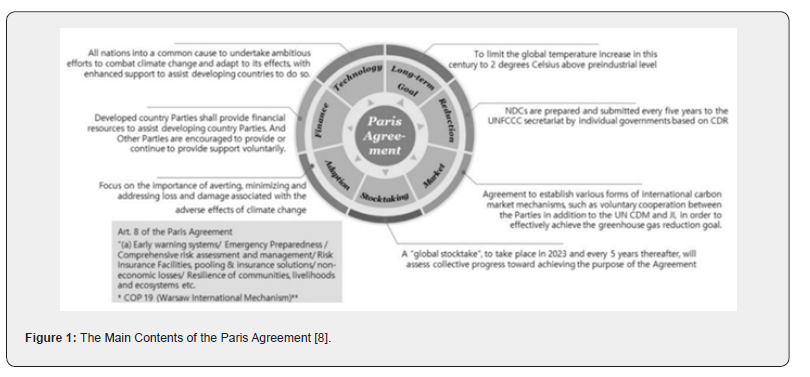
Many scientists are publishing research results about the seriousness of climate change as much as overpopulation. It is now agreed that climate change will have negative consequences for the survival of all mankind [4]. International communities such as UN agencies, EU, World Bank are also responding immediately to the problem. The United Nations (UN) has announced the Sustainable Development Goals (SDGs) as a follow-up to the Millennium Development Goals (MDGs). In the SDGs, ‘Climate Action’ was set as the 13th goal. And the Paris Climate Agreement adopted in 2015 has emphasized the importance of education, training, public awareness, public participation, public access to information, and cooperation at all levels on the climate change topics addressed in the Agreement [5].

As such, in order to solve the problem of climate change, various stakeholders are required to make joint efforts. European and international NGOs have been dealing with this issue in fierce debate. They are also demonstrating and campaigning to urge governments and industries to take urgent action to combat climate change and its impacts [6,7].

Climate crisis, risk society, and reflective practice in science

The modern knowledge society is exposed to a world where time and space have become dramatically shortened and compressed (Figure 1). Science and technology are developing at an equally rapid speed. Such developments have without doubt benefited our lives. Every day we face a flood of civilization full of new scientific theories and innovations. The development of science and technology overwhelm us with new knowledge and information. We need not count the number of scientists and technicians, which has increased tens of times in the past century, to recognize this. Our society and our lives are now that much more complicated.

We are defenselessly exposed to the results of climate change (whether it be negative or positive). Innovative climate solutions to prevent danger are continuously offered, like those by Bill Gates or scientists. But a question follows this statement. Are science and the progress of technology not at all responsible for this dire situation? What about the desire of human beings and the development that followed? We must examine the dangers of climate change from this context. Problems like climate change require a fundamental reflection by the entire global society [8]. We are, in the words of German Sociologist Ulrich Beck, a “Risk Society.” It is now high time that we contemplate on modern science and discuss reflective practice in science.

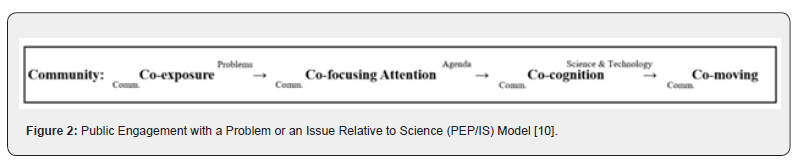
Centuries ago, people at least understood how the wagon they made or used worked. They probably tried various things with the wagon to make it easier to maneuver - perhaps trying to tie it to a horse. Another question comes up, then. How many people in contemporary society actually understand how their smartphones, their inseparable devices, work? In this world where time and place seem to have become irrelevant, how much knowledge, outside the circles of experts, have we then accumulated compared to the past? Excess always seems to be the problem. The explosion of communication and networks make us focus on social arguments rather than the essence of a problem. Perhaps that is why we believe that this society is full of danger. Thus, a contemplative attitude and communication are more important than ever. Communicating through a reflective practice of science allows us to get closer to an ecological approach. We cannot think and act from an ecological approach without being exposed to the problem. And therefore, the most basic step towards climate action is becoming aware of the problem. Only after we are exposed to the problem can we focus our attention, and only then can we enter the cognitive process of solving the problem.

Carbon neutrality and effective communication for breakthroughs

Carbon neutrality and ESG (Environmental, Social, and Governance) have become hot potatoes throughout our society lately. They are at the same time matters of governmental policy and business management. The two keywords not only greatly increased global communication and numerous networks, but they also became political and economic issues. As such, even Bill Gates is striving to solve the problem (Figure 2).

Leading citizens to climate action through a “strategic communication” is just as important as political slogans or stressing economic profit [9]. The environmental pollution, especially air problem, is a global challenge that not only threatens public health, but also takes away lives. Strategic communication, in other words, public relations, is an essential way of tackling air pollution and managing the risks involved.

As discussed, addressing the challenge of climate change requires international collaboration based on full implementation of policy on global agenda, openness, mutual solidarity, and cooperation. And engaging global citizens into the public sphere requires the building of a sense of collectivity and duty on achieving climate mitigation. Strategies and policies on an international scale that are based on the theoretical framework (Behavior Procedure Model) and focus on leading citizens into the mature and unified collectivity during the observance of the UN International Days related the Climate and Environment as the Environment, Water, Clean Air, etc. are crucial.

It we are to urge people to act on climate change, we need to expose them to accurate and true information. This stage is necessary to move on to the next step when the targeted public start to pay attention to the problem before moving on to solve the problem. By appropriately going through each stage of the communication process, finding solutions to the problem of climate change is possible. Song et al. argue for the public engagement for the carbon neutrality [11]. “Now is the time when we need the wisdom to identify problems together and collaborate instead of focusing on competition and conflicts for the long-lasting journey toward the carbon neutrality.”

Conclusion

Notably, many high-growth developing countries have inevitably found itself at the crossroad between economic growth and environmental protection, and has even been observed to be pursuing a passive response to the environmental pollutions. The key communication strategies are supported by the three goals, which include: expanding existing communities and building a new collectivity, supporting international solidarity and individual member state activities, and implementing systems and structures.

In conclusion, effective communication must be precedented to bring out climate action for carbon neutrality [12]. Now it needs to separate problems from agenda and issues. Then the appropriate management becomes possible. It is important that we find the right target public and communication goals that must be met. Let us focus not on speed but on “correctness,” deploying a strategic communication that could solve the civil communities’ problems. If so, we will be able to promote the breakthrough climate solutions that Bill Gates proposed.


To Know more about our Juniper Publishers


Effective converting ratio when switching between Ona-botulinumtoxin-A and Abo-botulinumtoxin-A in cervical dystonia. A patient assessment cross over study- Juniper Publishers

  Neurology & Neurosurgery- Juniper Publishers Introduction In the 1950s it was hypothesized that Botulinum Neurotoxins (BoNT-A’s) could...